
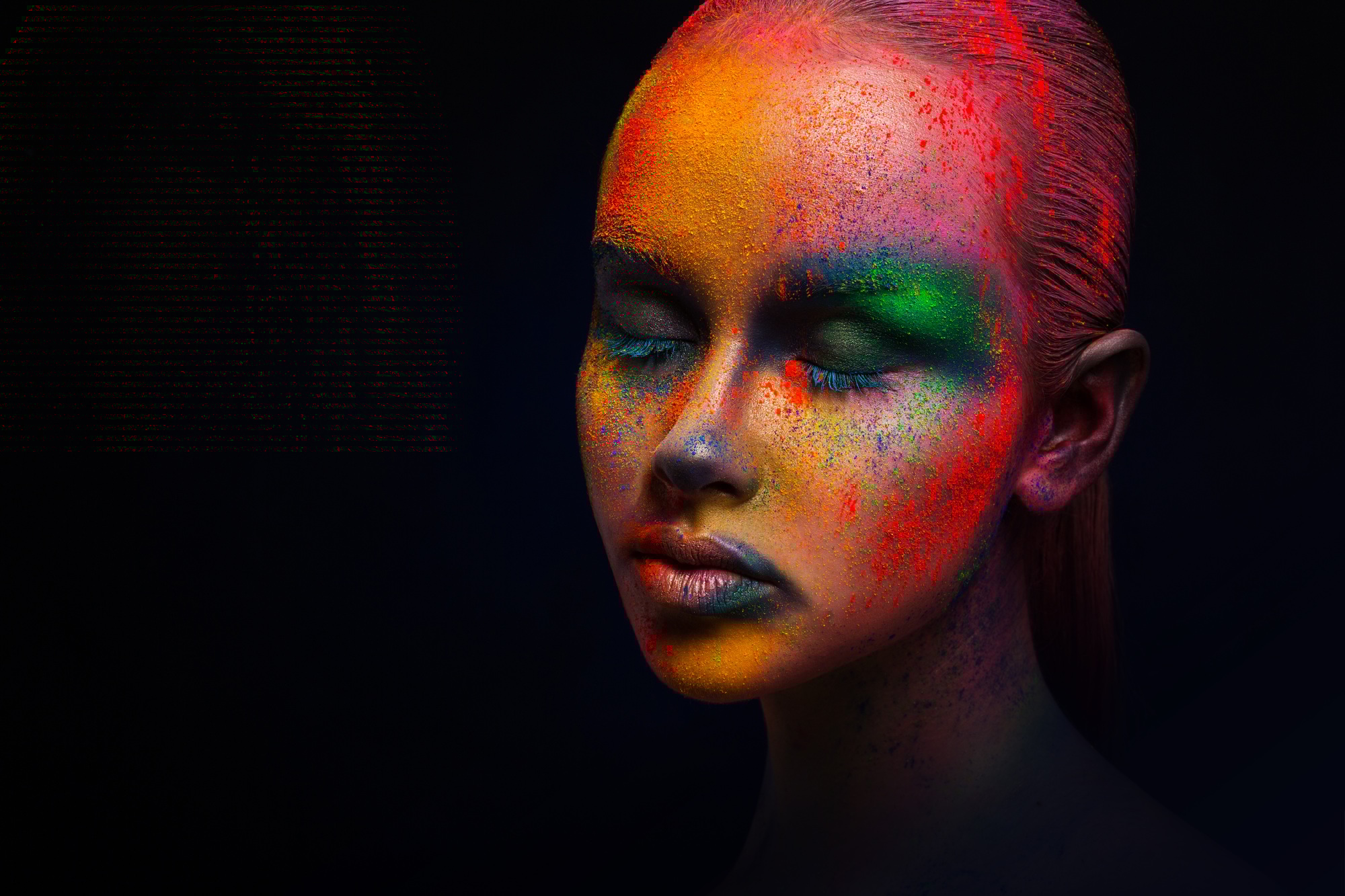
In Vogue’s August 2025 issue, a two-page Guess advertisement featured an AI-generated model—a digitally created woman with flawless skin, sculpted features, and a wardrobe straight from the latest collection. The images were labeled in small print as AI products, but many readers missed the disclosure. What followed was a fierce backlash, igniting a wider debate about technology, beauty, and authenticity in fashion.

🌟 How the AI Model Came to Life
The campaign was produced by Seraphinne Vallora, a Paris‑based agency founded by Valentina Gonzalez and Andreea Petrescu. They generated multiple model drafts for Guess’s summer campaign, including a blonde and a brunette, later refined into final renders. The process can take up to a month and cost into the low six figures.
According to the agency, some human creatives—including photographers—are involved. However, critics were quick to note promotional materials claim AI streamlines the process by removing traditional production roles.
⚖️ Beauty, Authenticity & Industry Backlash
Fashion professionals decried the use of AI models as undermining diversity and authenticity. Plus-size model Felicity Hayward called the decision “lazy and cheap,” noting it could reverse gains made in broadening beauty standards.
Longtime Vogue readers canceled subscriptions, expressing discomfort with the idea that a fictional, hyper-polished face could replace human models.
Commentators worry AI models could lower the bar for creativity and turn campaigns into homogenous visual templates. Others point to reduced emissions, lower logistic costs, and efficiency as AI’s potential strengths.
🛠️ Broader Trends Beyond Vogue
Brands like H&M, Mango, Levi’s, and Estée Lauder have already experimented with “digital twin” AI models—sometimes created from real models’ likeness, with varying results in consent, compensation, and representation.
Startups like Amsterdam’s Lalaland.ai generate AI avatars to increase diversity and streamline e‑commerce visual marketing—though critics question ethical limits and demographic representation.
Virtual influencers, including Lil Miquela and Shudu Gram, have earned major brand deals, social followings, and controversy—blurring identity, representation, and reality in digital fashion.
❓ Frequently Asked Questions
Q1: Was the AI model clearly labeled as artificial?
Yes, but the notice was in very small text, and many readers missed it.
Q2: Is Vogue using AI models in its editorials?
The model appeared in a paid advertisement, not editorial content. Vogue affirmed it wasn’t part of their content direction.
Q3: Are AI models replacing real jobs?
Potentially. Critics argue ad campaigns might reduce opportunities for real models, as well as makeup artists, stylists, and photographers.
Q4: Can AI improve diversity in fashion?
In theory, yes—but companies report posting diverse AI models results in far fewer engagements, leading them to default to conventional beauty patterns.
Q5: What are the benefits of using digital models?
Brands cite faster production, lower logistical costs, carbon footprint reductions, and precise creative control—all without scheduling shoot days or managing location logistics.
Q6: Are there efforts to regulate or protect artists and models?
Yes. Discussions are underway involving the Model Alliance, fashion unions, and legislative proposals demanding transparency, consent, payment, and copyright controls.
✅ At the Crossroads of Fashion & Technology
The Vogue‑Guess AI model marks a turning point for fashion’s embrace of digital avatars. While it promises efficiency and visual control, it also rings warning bells around authenticity, inclusion, and the future of creative industries. As AI becomes fashion’s front-runner, the stakes will rest on striking a balance between innovation and humanity.

Sources CNN

