
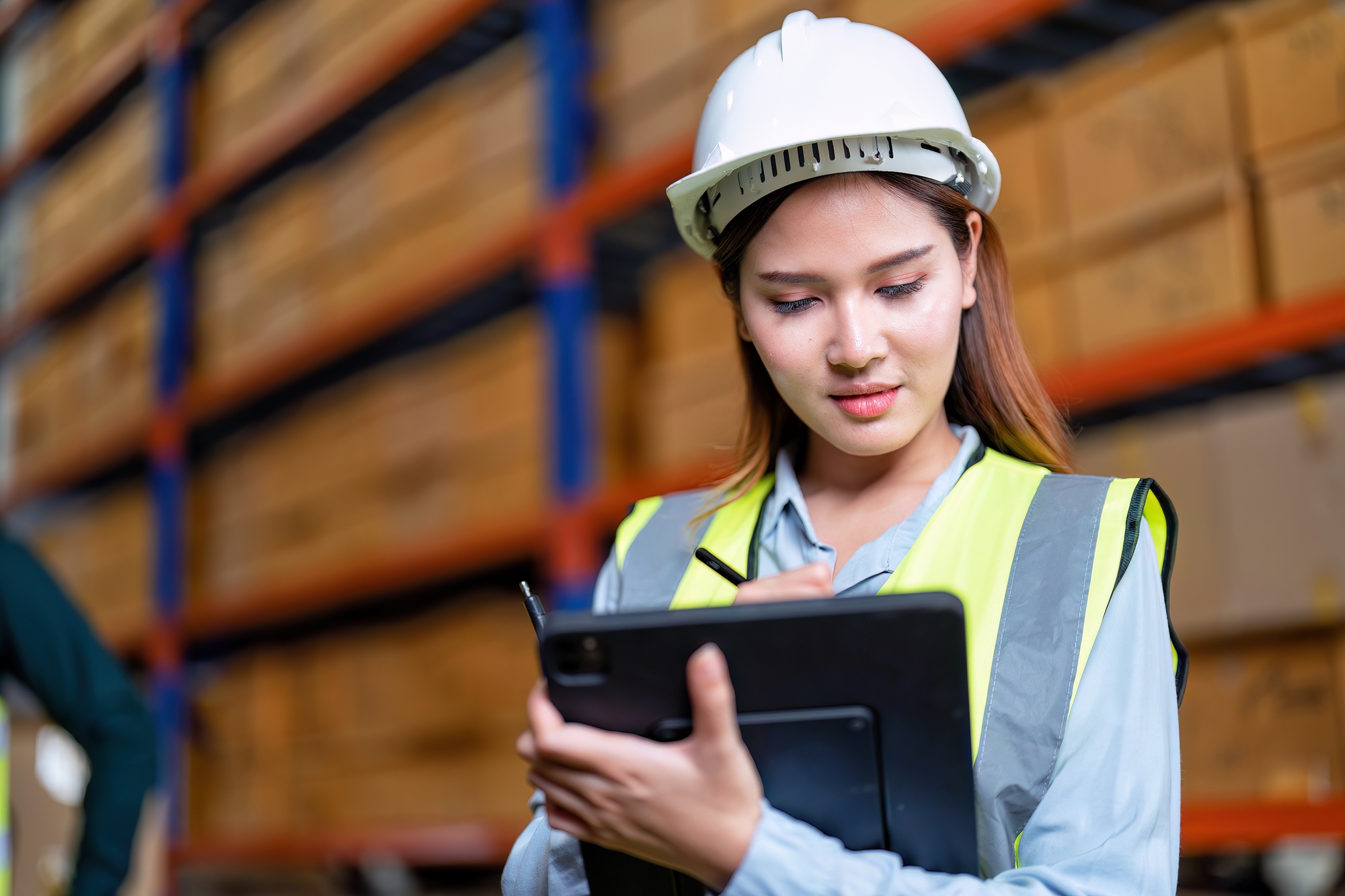
Imagine teaching robots not in a lab, but in a lifelike video game world built entirely from text. That’s exactly what Google DeepMind’s latest innovation, Genie 3, is doing—ushering in a new era of artificial intelligence training that blurs the line between simulation and reality.
Welcome to the virtual warehouse revolution.

🕹️ What Is Genie 3—and Why It Matters
Genie 3 is an advanced world model—a type of AI that creates dynamic, interactive 3D environments from simple text prompts. Picture this: type “a snowy hill with skiers and moving obstacles,” and Genie 3 instantly generates a responsive, realistic environment where AI agents can learn to move, react, and problem-solve.
These aren’t static scenes. The AI agents can explore, interact, and even learn consequences of their actions—just like a human would in the real world. That means faster, cheaper, and safer training before robots ever touch a real warehouse floor.
🏭 Why Virtual Warehouses Are the New Robotics Labs
Why warehouses? Because they’re structured, physically complex, and rich in challenges. Genie 3 simulates conveyor belts, human coworkers, boxes, sensors, and dynamic layouts. It’s the perfect training ground for robots learning to pick, pack, navigate, and avoid collisions.
Once trained virtually, these AI agents adapt faster in the real world—cutting down development costs and hardware testing time.
🌐 Genie 3: A Stepping Stone Toward AGI
DeepMind isn’t hiding its ambitions: Genie 3 is part of its roadmap toward Artificial General Intelligence (AGI)—AI that can understand and operate across any task, just like a human.
By learning cause and effect, developing memory, and adapting across different scenarios, Genie 3 brings us closer to robots that think, act, and learn like living beings.
And it’s not just theory. Genie 3 builds on DeepMind’s growing ecosystem of world models and robotics platforms like Gemini Robotics, forming a powerful AI architecture grounded in both language and action.
🚧 The Risks and the Responsibility
While Genie 3 opens exciting doors, it’s not without risks. Google has kept the model under strict internal review, limiting access to select researchers. Why? Because like all powerful tools, world models can be misused—intentionally or unintentionally.
Physics modeling isn’t perfect. Biases may creep in. And training in a virtual world doesn’t always translate 1:1 to reality. That’s why DeepMind has an AI Safety Council overseeing deployments and policies to ensure responsible development.
❓ Quick FAQ: Everything You Need to Know
What exactly is a “world model”?
It’s an AI that simulates a virtual environment where other AIs (or robots) can learn and act—essentially a digital world for AI to explore and train in.
How is Genie 3 different from earlier versions?
Genie 3 supports real-time interaction, dynamic scenes, memory, and longer simulations. It’s more immersive, lifelike, and flexible than past models.
Can I use Genie 3 today?
Not yet. It’s currently in a limited research preview, available only to select partners and internal teams.
What’s the big deal with virtual warehouses?
They mimic complex, real-world logistics tasks—making them ideal for robotics training, especially for pick-and-place operations, navigation, and obstacle avoidance.
Is this a step toward AGI?
Yes. Training intelligent agents in realistic, evolving environments is considered a key milestone on the path to general-purpose AI.
🚀 Final Thought: Simulated Today, Real Tomorrow
With Genie 3, Google DeepMind is redefining how intelligent machines are trained. No longer limited by physical labs or expensive hardware, tomorrow’s robots may be born in a world of pixels—learning everything they need before ever stepping into ours.
The age of digital apprenticeships has begun. And the classroom? A warehouse made of code.

Sources The Guardian

