
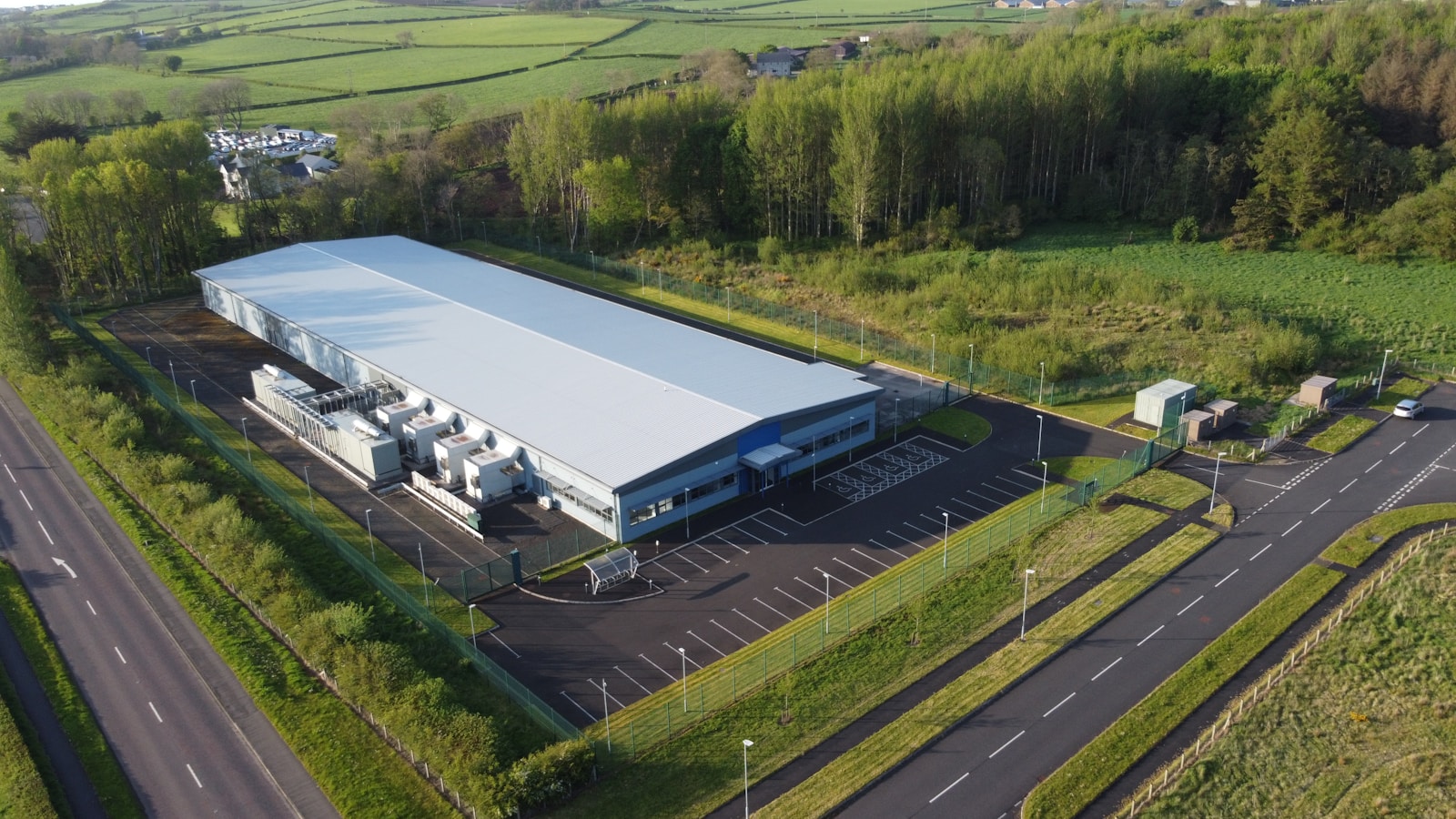
The AI boom isn’t just eating up data — it’s devouring land, energy, and space. Here’s why Wall Street is suddenly obsessed with big, empty parking lots.
What do artificial intelligence and parking lots have in common? In 2025, more than you think.
In the race to power the next generation of AI, Wall Street titans like JPMorgan and Blackstone are gobbling up huge swaths of unexpected real estate — massive parking lots, outdoor storage areas, and underused industrial spaces. Why? Because the AI revolution isn’t just about cloud servers and chips. It’s about land, energy, and the physical infrastructure needed to make it all run.
These forgotten corners of America are quickly becoming the backbone of AI’s physical empire.

🧠 The AI Boom Needs More Than Algorithms
Every AI model you interact with — from ChatGPT to autonomous vehicles — needs compute power. That compute power needs data centers, and those data centers need:
- ⚡ Power and backup generators
- 💧 Cooling systems and water
- 🌐 Fiber connectivity
- 🚛 Logistical access for hardware
- 🏗️ Room to grow
And all of that needs space — big, flat, accessible space. Like parking lots.
💼 Why Wall Street Is Betting Big on Blacktop
With AI demand skyrocketing, traditional real estate players are pivoting. These overlooked parcels of land are now prized assets — and here’s why:
- Speed to Market
Repurposing parking lots or storage yards is faster than buying and building on urban or residential real estate. They’re already zoned for light industrial use in many cases. - Flexibility for Infrastructure
Outdoor spaces can house power substations, generators, cooling towers, battery banks, and even modular data centers. - Low Cost, High Upside
Land that once sat idle is now being transformed into high-value infrastructure zones, providing a juicy return on investment. - Support for AI’s Physical Demands
AI infrastructure isn’t just virtual. Cooling, water, power redundancy — all of it requires space. And these sites are ideal for that.
🌍 What’s Being Built on These Lots?
- Backup generators the size of shipping containers
- Cooling towers and evaporative systems
- Power distribution centers
- Storage for fiber optic equipment
- Staging zones for server hardware
- Microgrids and renewable energy setups
- Modular data center “pods”
These are the lungs and arteries of AI, quietly powering the future.
🌱 But What About the Environment?
This sudden transformation isn’t without controversy. Communities and climate experts are raising concerns about:
- Increased energy and water usage
- Noise from generators and cooling towers
- Local pollution and heat emissions
- Land-use changes and neighborhood disruption
As AI expands, expect a tug-of-war between tech growth and environmental accountability.
🔮 What Happens If the AI Hype Cools Down?
Real estate investors aren’t blind to the risks. If the AI wave slows, these sites may still offer value as:
- General-purpose data center support
- Edge computing hubs
- Renewable energy staging areas
- Logistics and e-commerce infrastructure
In short, many see them as long-term digital infrastructure investments, not just AI fads.
🧩 FAQ: What You Need to Know
Q: Why not build all this inside a building?
Because support infrastructure like cooling towers and generators take up a lot of space — and placing them outside is cheaper, cooler, and easier to maintain.
Q: What stablecoins or crypto has to do with this?
Nothing directly. But AI automation paired with decentralized payments is also driving demand for edge compute zones — many of which will live on these same industrial plots.
Q: Are specific cities or regions benefiting more?
Yes — areas with cheap land, strong grid access, and relaxed zoning laws are seeing the most activity: parts of Texas, the Midwest, and rural zones near urban data centers.
Q: Are these spaces temporary or permanent?
Both. Some serve as staging areas for permanent builds. Others are designed to flex and grow with demand — a form of modular AI infrastructure.
Q: Is this trend happening globally?
Absolutely. While the article focuses on the U.S., similar land grabs and repurposing efforts are happening in Europe, the Middle East, and Southeast Asia.
⚡ Final Thought
AI is often sold as the invisible magic of the future — algorithms floating in the cloud. But in reality, it’s deeply physical. It needs land, steel, concrete, wires, water, and lots of electricity.
That quiet parking lot behind your old mall? It might just be the next battlefield in the global AI arms race.

Sources The New York Times

