
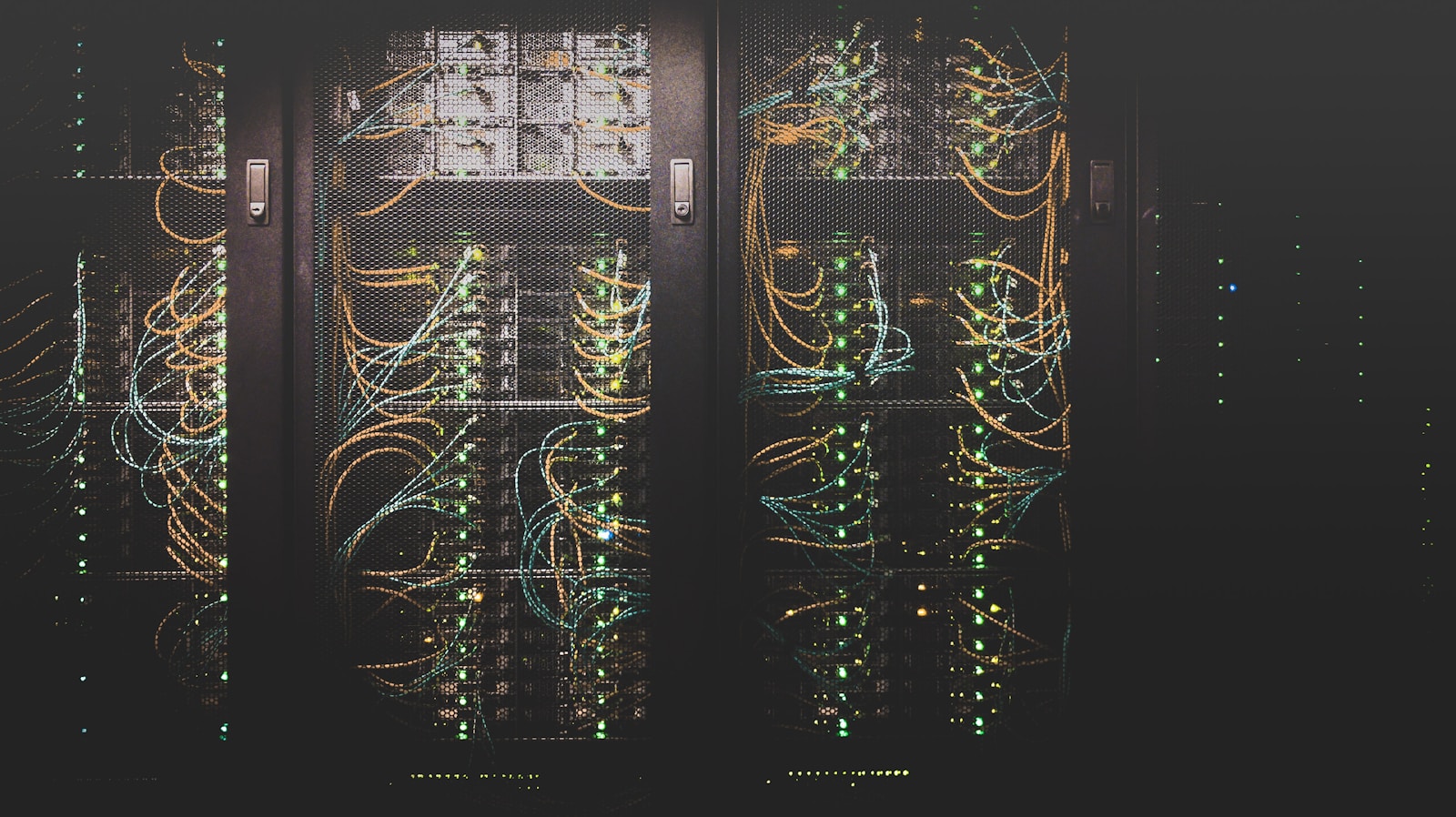
AI data centres are the backbone of modern artificial intelligence: they’re where the heavy computation for training, fine-tuning, and running large models happens. As AI becomes more central to services — from chatbots to image generation to recommendation engines — demand for such centres has exploded.
The basics are clear: they consume vast amounts of energy, require advanced cooling, and raise environmental concerns. But there are several additional dimensions that are critical to understanding both the challenges and opportunities AI data centres represent.

What We Know
- High energy consumption: Running and cooling large clusters of servers is energy-intensive.
- Cooling requirement: Centres need cooling systems to prevent overheating; water and air cooling are among common techniques.
- Environmental concerns: Electricity use, carbon emissions, and water consumption are under scrutiny.
- Growth pressure: AI’s rising demand is pushing more data centres to be built, straining power infrastructure and policy.
What’s Often Missed
1. Scale of Growth
Demand for “AI-ready” data centres is projected to grow drastically over the next decade, often at double-digit annual rates. In many countries, the number of centres is expected to increase significantly, especially in regions already stretched for power and water.
2. Environmental Footprint Beyond Energy
Water consumption for cooling can stress local resources. Carbon emissions depend on whether electricity comes from fossil fuels or renewable energy.
3. Operational Constraints
- Power grid capacity is a bottleneck. Some grids cannot meet demand without upgrades.
- Cooling challenges grow as server density increases. Innovative solutions like liquid cooling and heat recapture are being tested.
4. Economic and Social Trade-Offs
Data centres are capital-intensive. They create jobs but also raise concerns in local communities about water use, land, traffic, and potential strain on public services.
5. Innovation and Efficiency
Efforts are underway to make data centres more efficient, including energy-efficient chips, software optimization, and load balancing to run intensive tasks during times of renewable energy surplus.
6. Regulation and Policy
Governments are beginning to regulate site approvals, environmental impacts, and efficiency standards. Some are even establishing “AI growth zones” to manage resources more effectively.
7. Public Health and Welfare
Indirect effects like air pollution from power plants and water shortages can impact nearby communities, raising environmental justice issues.
What This Means Going Forward
- Sustainability will be key. Clean energy and efficient designs will define which countries and companies gain an advantage.
- Policy response is uneven. Some nations will regulate tightly, others may prioritize growth.
- Location matters. Centres must be near reliable, affordable, and ideally renewable power sources.
- Efficiency will rival scale. Smarter models and more efficient chips will reduce the need for brute-force growth.
- Transparency will increase. Reporting on emissions, energy use, and community impacts will likely become mandatory.
- Communities must be considered. Local benefits and risks must be balanced to avoid backlash.
Frequently Asked Questions (FAQs)
| Question | Answer |
|---|---|
| 1. How much of global electricity will AI data centres consume in the near future? | Demand is expected to double in some regions within the next 5–7 years. In certain scenarios, AI workloads could account for nearly half of data centre power use. |
| 2. Are data centres always bad for the environment? | Not necessarily. Impact depends on energy source, efficiency of hardware and cooling, and whether waste heat and water are reused effectively. |
| 3. Can efficiency gains significantly reduce harm? | Yes. More efficient chips, model optimization, smarter scheduling, and advanced cooling can greatly reduce energy and water use. |
| 4. What are the biggest bottlenecks in building AI data centres? | Power grid capacity, access to renewable energy, cooling systems, land and permits, hardware supply chains, and high upfront costs. |
| 5. Do data centres increase inequality or harm local communities? | They can, if not managed well. Communities may face higher utility costs, water shortages, or pollution. Strong regulation and community engagement help mitigate risks. |
| 6. How are governments responding? | By creating policies for permitting, sustainability standards, and incentivizing clean energy. Some countries are clustering centres into designated “growth zones.” |
| 7. What role do renewable energy and storage play? | A major one. Using renewables reduces emissions, while batteries or other storage provide reliability when renewable supply fluctuates. |
| 8. Can data centres reuse waste heat? | Yes. Some already supply district heating or warm nearby buildings, turning waste heat into a community benefit. |
Conclusion
AI data centres are much more than just rows of servers. They are critical infrastructure projects shaping the future of technology, energy, and the environment. The choices we make about how, where, and under what rules they’re built will define whether the AI revolution accelerates sustainably or creates a new set of global problems.
Smart design, clean energy, regulatory foresight, and public accountability will determine whether AI data centres become engines of progress or symbols of unsustainable excess.

Sources BBC


This insightful piece clearly outlines the complex challenges AI data centers pose, balancing technological growth with environmental and social concerns. The emphasis on sustainability and policy is particularly timely and thought-provoking.