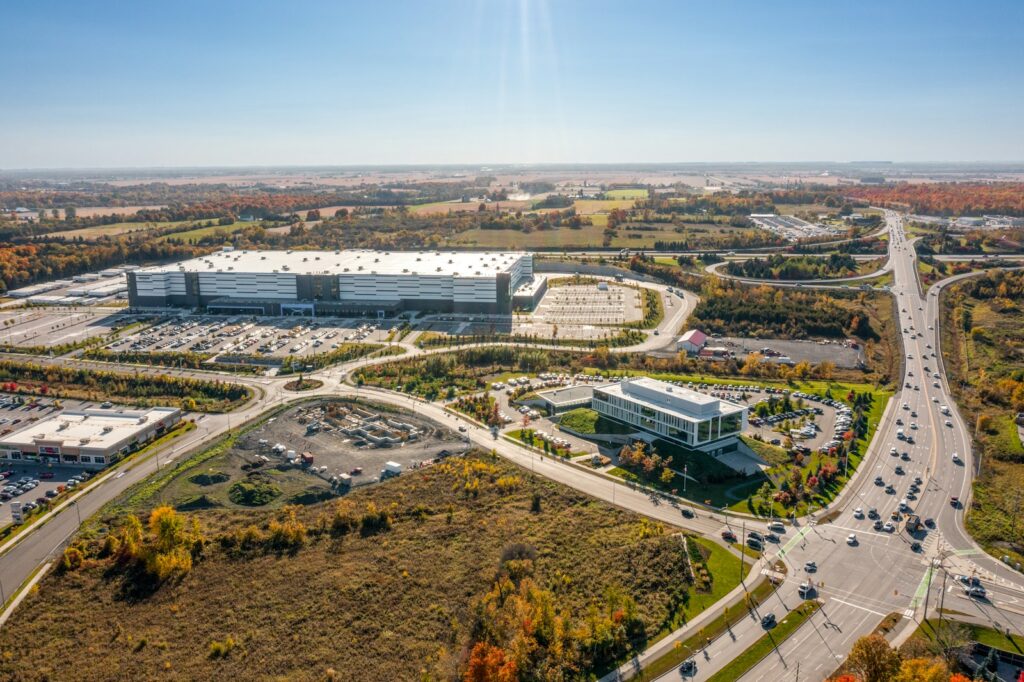
A modern gold rush is sweeping across the American West — but this time, it’s not miners flooding into mountains with pans and shovels. It’s AI labs, data center giants, energy developers, and cloud companies staking claims on land, power, and water as artificial intelligence explodes in scale and demand.
Nevada, Utah, Arizona, New Mexico, Colorado, and Idaho are rapidly transforming into the backbone of the world’s AI infrastructure. With endless sunshine, vast open land, and states hungry for investment, the West has become the hottest battleground for hyperscale data centers powering the AI boom.
But while the economic stakes are enormous, so are the environmental consequences. This is the side of the AI revolution few people see — the reshaping of landscapes, energy grids, water use, and entire communities.
Let’s dive into what’s really happening in the American West and why this new AI gold rush may be just the beginning.
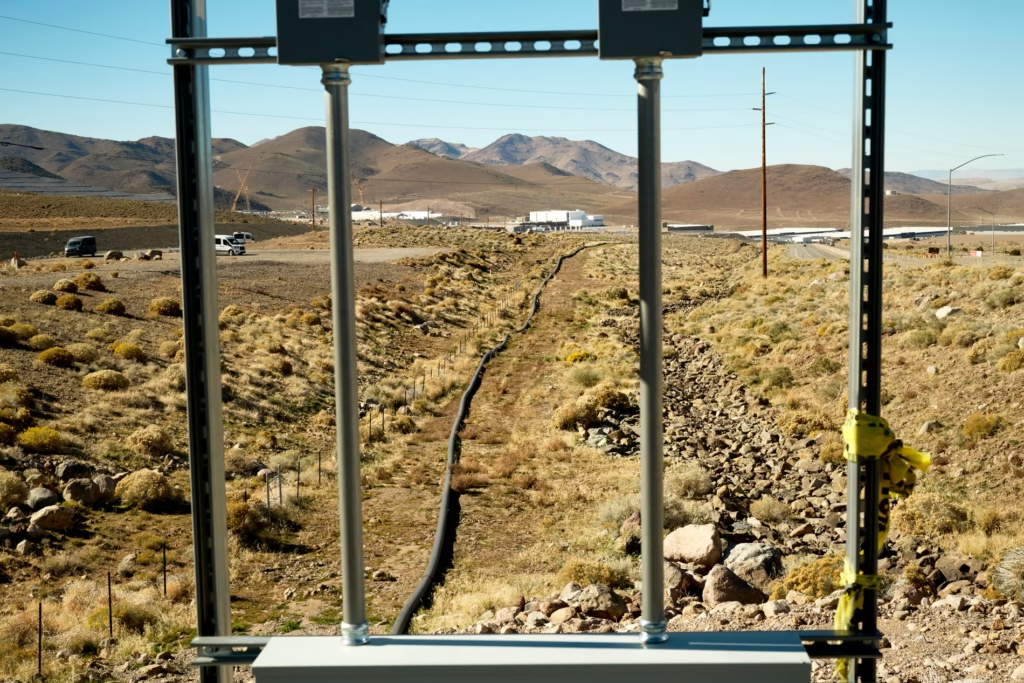
🌄 Why the West Became Ground Zero for the AI Infrastructure Race
1. AI Eats Power — and the West Has It
Training modern AI models requires staggering amounts of electricity.
Data centers now consume as much power as small cities.
The West offers:
- massive solar potential
- cheap land for renewable build-out
- geothermal and wind corridors
- fewer permitting barriers
Tech companies are scrambling to secure long-term energy deals before demand outpaces supply.
2. Land Is Plentiful, Flat, and Open
AI data centers need hundreds of acres with:
- room for cooling
- vast power substation access
- minimal zoning friction
Western states have exactly that.
3. Pro-Tech Regulations Accelerate Growth
Compared with coastal states, the West offers:
- faster approvals
- tax incentives
- welcoming local governments
- fewer environmental slowdowns
That speed is worth billions to companies racing against competitors.
4. Fiber Connectivity to Silicon Valley
The West sits on the backbone routes linking:
- California tech hubs
- Pacific Northwest cloud giants
- Los Angeles media and entertainment stacks
Low latency is gold in the AI world.
5. A Fierce State-by-State Competition
Governors are battling to attract:
- Amazon
- Microsoft
- Meta
- OpenAI
- AI startups with massive energy needs
Each new data center can mean billions in investment.
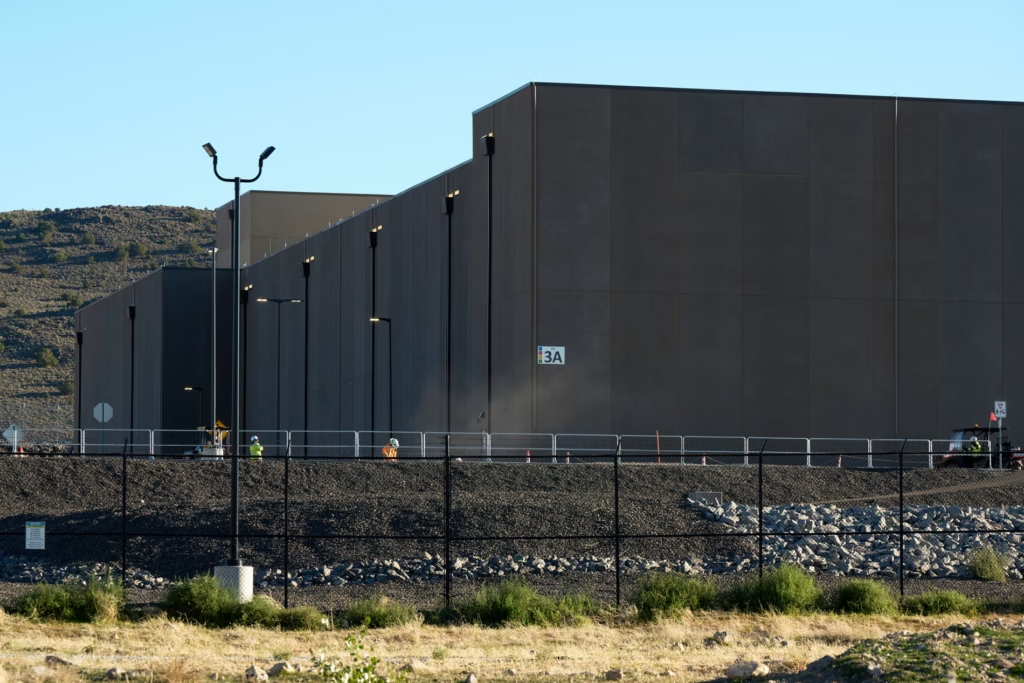
⚡ How Tech Giants Are Rebuilding Western States
Nevada: The AI Capital of the Desert
Nevada’s sun-drenched land and aggressive incentives have turned it into an AI magnet:
- massive solar farms
- cooling-friendly dry climate
- easy permitting
- proximity to California
Northern Nevada is becoming a global hot spot for AI infrastructure.
Utah: Silicon Slopes Goes Hyperscale
Utah’s growth is explosive:
- expanding data campuses
- strong tech workforce
- cheap energy
- fast-growing cities
It may soon rival Northern Virginia’s “Data Center Alley.”
Arizona: The Semiconductor–AI Hybrid Hub
Arizona is uniquely positioned with:
- TSMC chip fabs
- next-gen cooling innovation
- solar-driven energy projects
It’s quickly becoming ground zero for AI + chip manufacturing convergence.
New Mexico: The Next Big Frontier
Offering wide-open land and huge renewable potential, New Mexico is attracting AI players looking for long-term expansion.
💧 The Hidden Costs of the AI Boom
The AI gold rush doesn’t come without trade-offs.
1. Water Scarcity
Many data centers rely on water cooling — a controversial issue in drought-prone regions.
Even air-cooled systems stress local resources through heat output.
2. Energy Grid Strain
Some regions are nearing grid capacity.
Local governments face tough choices:
- invest in upgrades
- fast-track new power plants
- rely more on fossil fuels temporarily
Without upgrades, AI growth could stall.
3. Environmental and Cultural Impact
Large campuses affect:
- desert ecosystems
- fragile wildlife corridors
- indigenous lands
- scenic desert landscapes
Not every community wants Silicon Valley 2.0 in their backyard.
4. Limited Long-Term Jobs
Data centers bring billions in construction spending but only a small number of permanent roles.
Residents worry about becoming “energy colonies” for tech giants.
🔍 What Most Coverage Doesn’t Mention
A. AI Is Creating Massive Energy–Tech Feedback Loops
More AI → more power use → more energy projects → more AI capacity.
This cycle will reshape entire states.
B. Water Rights Are Becoming “Digital Assets”
For AI companies, securing water is as strategic as securing GPUs.
C. Western States Could Become the World’s AI Powerhouse
If they coordinate investments in:
- nuclear energy
- geothermal
- grid modernization
- multi-state transmission projects
they could dominate the global AI infrastructure landscape.
D. Indigenous Communities Hold Key Land and Resources
Tribal nations will play a major role in how sustainable — or extractive — the AI boom becomes.
❓ Frequently Asked Questions (FAQs)
Q1: Why are AI companies choosing the American West?
Cheap land, abundant renewable energy, and faster permitting make it ideal for building hyperscale data centers.
Q2: How much power do AI data centers use?
A single large facility can consume as much electricity as a mid-sized city.
Q3: Are data centers worsening drought conditions?
Water-cooled centers use millions of gallons yearly. This raises concerns in regions already struggling with water scarcity.
Q4: Do these projects create many local jobs?
Construction jobs are significant, but long-term operations require relatively few employees.
Q5: Will the AI boom increase carbon emissions?
It depends on how quickly renewable energy grows. Without clean energy expansion, emissions could rise.
Q6: Which states stand to gain the most?
Nevada, Utah, Arizona, New Mexico, and Idaho are emerging as major winners.
Q7: Could this boom overwhelm local power grids?
Yes — without major upgrades, some regions may hit capacity limits.
Q8: How long will this AI gold rush last?
Likely a decade or more, as AI models, agents, and automation continue scaling rapidly.
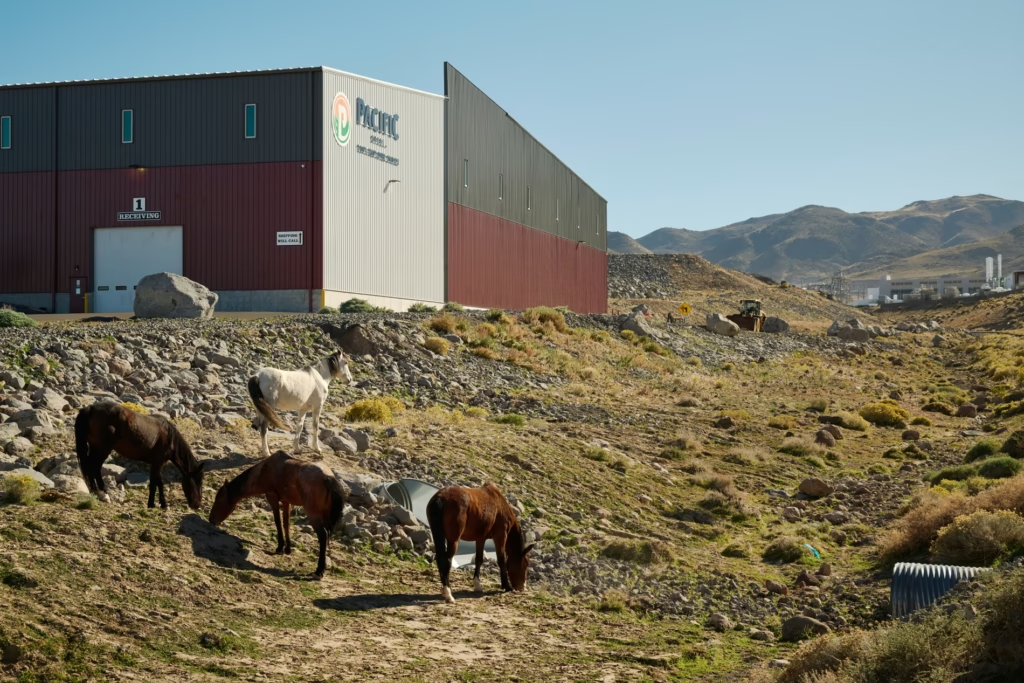
✅ Final Thoughts
The American West is being reshaped by AI faster than nearly any region in the world.
What started as a technology boom has become an energy boom, a land boom, and a water management challenge all at once.
Just like the original gold rush, this era brings huge promise — and equally huge risks.
The question now is whether Western communities can guide the AI boom toward sustainable, shared prosperity…
or whether they’ll be swept along as global tech giants reshape the region in their image.
Either way, the future of AI is being built in the desert — and the world is watching.
Sources The Guardian