
War is changing faster than at any point in human history — and the transformation isn’t coming from governments or traditional defense giants. It’s coming from tech startups.
At the center of this revolution stands Palmer Luckey, the Silicon Valley maverick who built Oculus and now leads Anduril, one of the fastest-growing defense tech companies in the world.
Anduril isn’t just upgrading military tools — it’s reinventing the entire architecture of modern warfare with AI-powered systems, autonomous drones, robotic surveillance towers, and battlefield software that can think and react faster than any human.
For better or worse, this is the new frontier:
a world where software, sensors, and AI algorithms shape the decisions that used to take generals, analysts, and intelligence agencies days to make.
Welcome to the AI battlefield.

⚔️ Why Defense Startups Are Thriving — and Why Anduril Leads the Charge
For decades, military innovation moved slowly. A new jet took a decade to develop. A new weapon required endless bureaucracy.
Anduril’s approach flips that model on its head.
1. Build Fast. Deploy Fast. Learn Fast.
Instead of years of development, Anduril ships improvements in weeks — just like a Silicon Valley startup.
2. AI at the Core, Not an Add-On
Everything Anduril builds integrates with Lattice, its AI “operating system for war,” which pulls in data from drones, radars, cameras, satellites, and robots to generate instant insights.
3. Autonomous Systems That Reduce Human Workloads
From border security towers to underwater drones, Anduril focuses on tasks that overwhelm human operators — detection, tracking, classification, and response.
4. A Founder Who Moves Fast and Breaks… Defense Norms
Palmer Luckey is unapologetically bold. Critics call him reckless. Supporters call him visionary. Either way, his company is changing the industry.
🤖 The Shift to AI Warfare: What’s Actually Happening
Forget sci-fi robot uprisings. The real AI revolution in war looks very different — and far more practical.
Autonomous Drones That Don’t Wait for Human Instructions
Drones now:
- spot enemies automatically,
- navigate hostile terrain,
- work in coordinated swarms,
- strike with precision.
AI compresses decision-making from minutes to milliseconds.
AI-Powered Battlefield Orchestration
Lattice isn’t just analyzing data — it’s making suggestions, planning routes, predicting attacks, and coordinating multiple systems at once.
This is war controlled by algorithms, not radios.
Robotics Filling the Gaps Humans Can’t
From underwater surveillance to high-altitude reconnaissance, AI-driven robots now perform missions that are:
- too dangerous,
- too repetitive,
- too complex
for human soldiers.
Software Is Now a Weapon
The most valuable military asset isn’t a jet or a missile — it’s the software that controls them.
Defense is becoming a cloud-driven industry.
🌍 The Geopolitical Shockwave: A New AI Arms Race
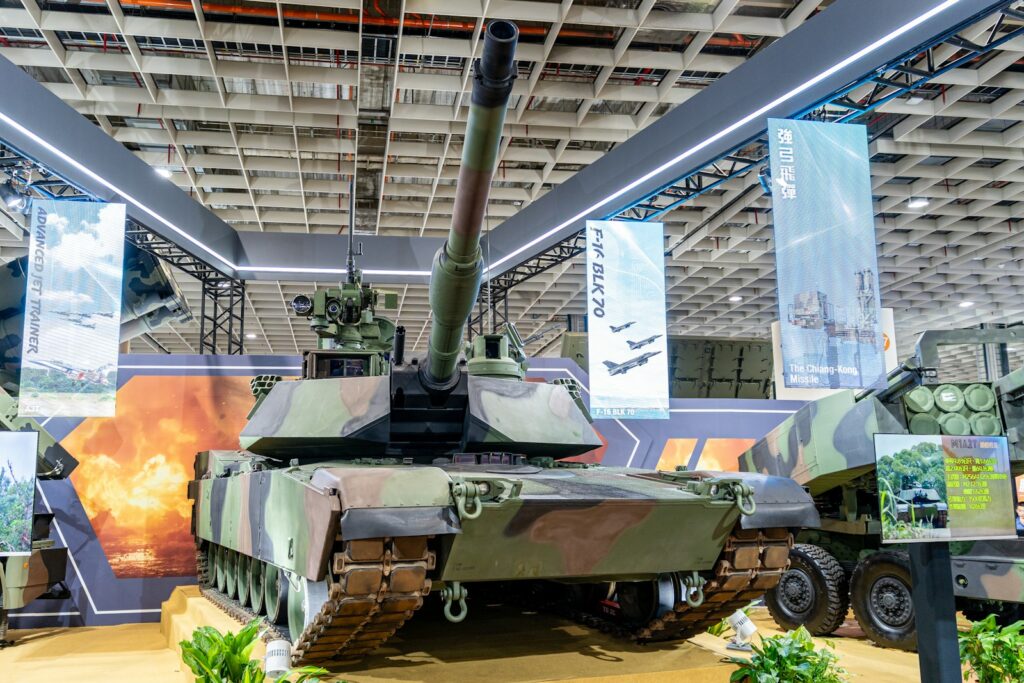
Anduril isn’t alone in this space — but it’s moving the fastest. And its rise is fueling a global trend:
The U.S. Is Betting on Startups
Unlike older defense contractors, startups can move at AI speed.
China Is Building Its Own AI-Powered Military
China’s autonomous drone fleet and AI surveillance systems are already massive.
Europe and the Middle East Are Racing to Keep Up
Every major region is investing in autonomous defense systems.
AI Weapons Are Cheap and Scalable
This is the scariest part:
AI-enabled weapons don’t require billion-dollar budgets.
They can be built by small teams — or even rogue actors.
The barrier to entry for high-tech warfare is disappearing.
🧨 The Ethical Dilemma: Should Private Companies Control War Tech?
Anduril raises big questions that the original article only touched lightly.
1. Who takes responsibility when AI makes a deadly mistake?
The startup? The military? The algorithm?
2. Should AI be allowed to carry out lethal actions?
Most countries say “no,” yet the technology already exists.
3. How do we prevent AI from escalating conflicts?
Algorithms react faster than humans — which could accidentally spark retaliation.
4. Can we trust startups to handle military ethics?
Some critics argue defense shouldn’t be outsourced to people who operate like tech founders.
These debates will define the next decade of global security.
🔍 What Most Reporting Misses About This Trend
AI Defense Is Becoming One of the Hottest Startup Markets
Investors see massive long-term profit and geopolitical necessity.
The Pentagon Is Outsourcing Innovation
Government agencies now depend on startups for speed and creativity.
The Real Risk Isn’t AI Going Rogue — It’s AI Being Misused by Humans
Authoritarian nations, militias, and hostile hackers pose far greater threats than rogue robots.
Young Engineers Are Being Pulled Into Defense Work
Some see it as meaningful.
Some see it as morally complicated.
But it’s becoming one of the biggest career paths for AI talent.
❓ Frequently Asked Questions (FAQs)
Q1: Is AI really controlling weapons autonomously?
Some systems can, but most militaries require human oversight — for now.
Q2: Does AI make war safer or more dangerous?
Both. It improves precision but accelerates escalation.
Q3: Why is Anduril growing so fast?
Because it delivers modern tech faster than traditional defense giants.
Q4: Are autonomous drones already used in war?
Yes — especially in Ukraine and the Middle East.
Q5: Is AI replacing soldiers?
Not entirely, but it’s replacing tasks once handled by large numbers of people.
Q6: Who regulates AI in war?
No one consistently. International law is far behind.
Q7: Could AI start a war by accident?
Experts warn it’s possible if systems misread threats faster than humans can intervene.
Q8: Is AI defense inevitable?
Yes. Every major nation is pursuing it, making it impossible to avoid.
⭐ Final Thoughts
AI isn’t just transforming the workplace — it’s transforming the battlefield.
Companies like Anduril are pioneering systems that will redefine global conflict for decades to come.
The technology is powerful.
The risks are enormous.
The impact is inevitable.
We’re entering a world where wars may be shaped more by algorithms than by armies — and where the companies building those algorithms wield extraordinary influence over global security.
The only question now is whether the world is ready for the future Anduril is creating.
Sources Business Insider