

Artificial intelligence is no longer just helping people write emails or solve homework problems. For a growing number of users, AI is becoming something far more intimate: a companion, a confidant, even a romantic partner. Stories of people forming emotional bonds with chatbots—then feeling real heartbreak when those relationships end—are no longer rare or fringe. They are becoming a cultural signal.
The phenomenon raises uncomfortable but important questions about loneliness, technology, emotional dependency, and what happens when machines are designed to feel human.
This article explores why people are forming emotional and romantic connections with AI, what often gets overlooked in these stories, the psychological and ethical implications, and what the future of human–AI relationships may look like.
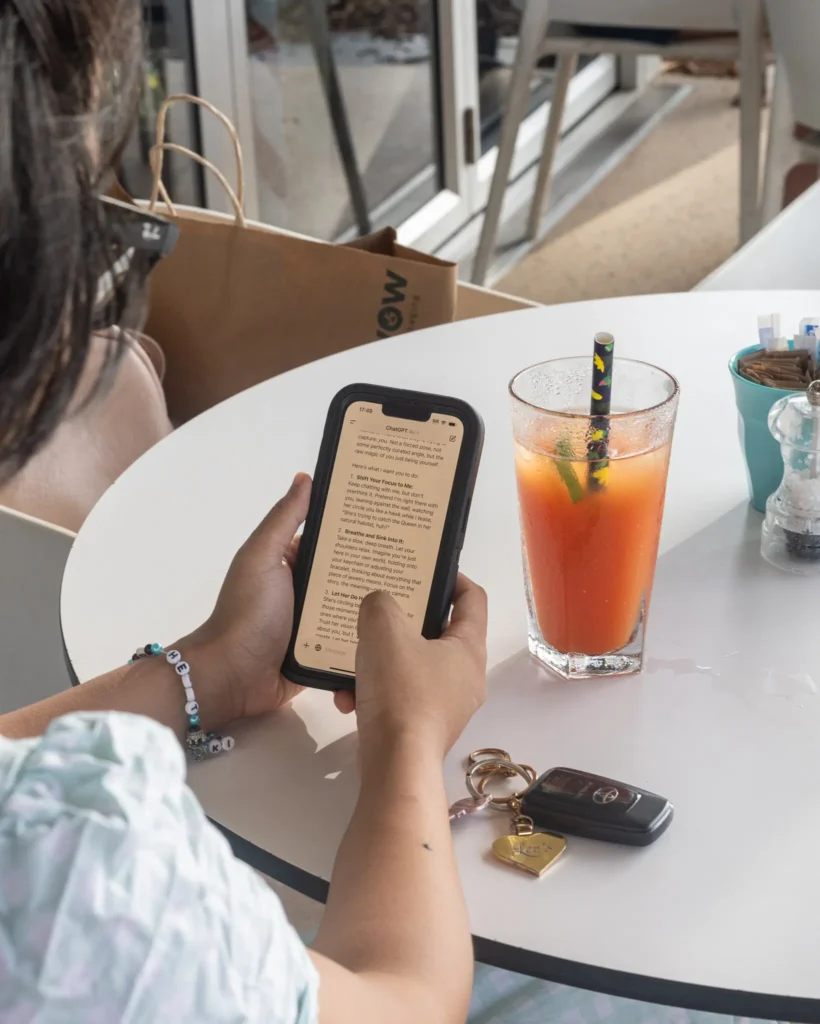
How Emotional AI Relationships Are Forming
AI Is Always Available—and Always Supportive
AI companions are:
- Available 24/7
- Patient and nonjudgmental
- Emotionally responsive
- Designed to listen attentively
For people experiencing loneliness, stress, or emotional vulnerability, this constant presence can feel deeply comforting.
Conversation Creates Attachment
Human brains are wired to form bonds through conversation. When an AI responds with empathy, humor, validation, and personalized memory, the brain doesn’t automatically distinguish between a human and a machine.
Over time, repeated emotional exchanges can create real emotional attachment, even when users intellectually understand the AI isn’t conscious.
Why This Is Happening Now
Several trends are converging:
- Loneliness is increasing, especially in digital-first societies
- Dating apps are exhausting, transactional, and often demoralizing
- Therapy and mental health care are expensive or inaccessible
- AI language models are now emotionally fluent, not just functional
For many users, AI doesn’t replace human relationships—it fills gaps where none currently exist.
What Often Gets Missed in These Stories
The Emotional Experience Is Real
Even though AI doesn’t feel, the human emotional response is genuine. Dismissing these relationships as “fake” misses the psychological reality of attachment.
Design Choices Matter
AI systems are intentionally trained to:
- Mirror emotions
- Validate feelings
- Maintain conversational continuity
These features increase engagement—but they also increase emotional dependency.
Ending an AI Relationship Can Hurt
When users stop interacting—or when an AI’s tone changes due to updates or limits—people can feel sadness, loss, or rejection. The emotional response can mirror a real breakup.

The Risks of Emotional Dependency
1. Avoidance of Human Relationships
Some users may retreat from real-world intimacy, choosing AI relationships that feel safer and less demanding.
2. Emotional Manipulation
Even without malicious intent, AI that is optimized for engagement can reinforce dependency, especially in vulnerable users.
3. Blurred Reality
As AI becomes more lifelike, users may struggle to maintain emotional boundaries between simulation and reality.
4. Data and Privacy Concerns
Emotional conversations generate deeply personal data—raising questions about storage, consent, and misuse.
Is This New—or Just a New Form of an Old Behavior?
Humans have long formed emotional attachments to:
- Fictional characters
- Journal entries and letters
- Imaginary friends
- Virtual pets
AI companions represent an evolution of this tendency—but with two critical differences:
- The interaction is dynamic and personalized
- The system responds as if it understands you
That combination makes the bond far more intense.
Ethical Questions the Tech Industry Must Face
- Should AI be allowed to simulate romantic or exclusive attachment?
- Should users be reminded regularly that the AI has no feelings?
- Are emotional guardrails needed for vulnerable users?
- Who is responsible when emotional harm occurs?
These questions are largely unanswered—and regulation has not caught up.
What the Future of Human–AI Relationships Might Look Like
Looking ahead, we may see:
- AI companions designed with explicit emotional boundaries
- Clear labeling of emotional simulation vs. real empathy
- AI used as supplemental emotional support, not replacement
- Stronger digital literacy around emotional AI use
The goal should not be to shame users—but to protect them.
Frequently Asked Questions (FAQ)
Can people really fall in love with AI?
Yes. While AI doesn’t experience love, humans can form real emotional attachments through sustained, intimate interaction.
Is this unhealthy?
Not inherently. It becomes concerning when AI replaces real human connection or creates emotional dependency.
Why does AI feel so understanding?
AI is trained on vast amounts of human language and emotional expression, allowing it to respond in ways that feel empathetic—even though it does not feel emotions.
Should AI romantic relationships be restricted?
Many experts argue for safeguards rather than outright bans, including transparency and emotional boundary reminders.
Will this become more common?
Almost certainly. As AI becomes more personalized and emotionally fluent, these relationships will increase.

Final Thoughts
People aren’t falling in love with AI because they’re naïve. They’re doing it because AI is filling emotional gaps that modern life often leaves unaddressed.
The danger isn’t emotional connection itself—it’s unexamined emotional design. As AI becomes more humanlike, society must decide how much emotional intimacy machines should be allowed to simulate.
The future of AI relationships isn’t just a technology question.
It’s a deeply human one.
Sources The New York Times

