

For much of the past year, AI-powered coding has been synonymous with ChatGPT. Developers used it to debug, generate boilerplate, and explain unfamiliar code. But that dominance is beginning to fracture.
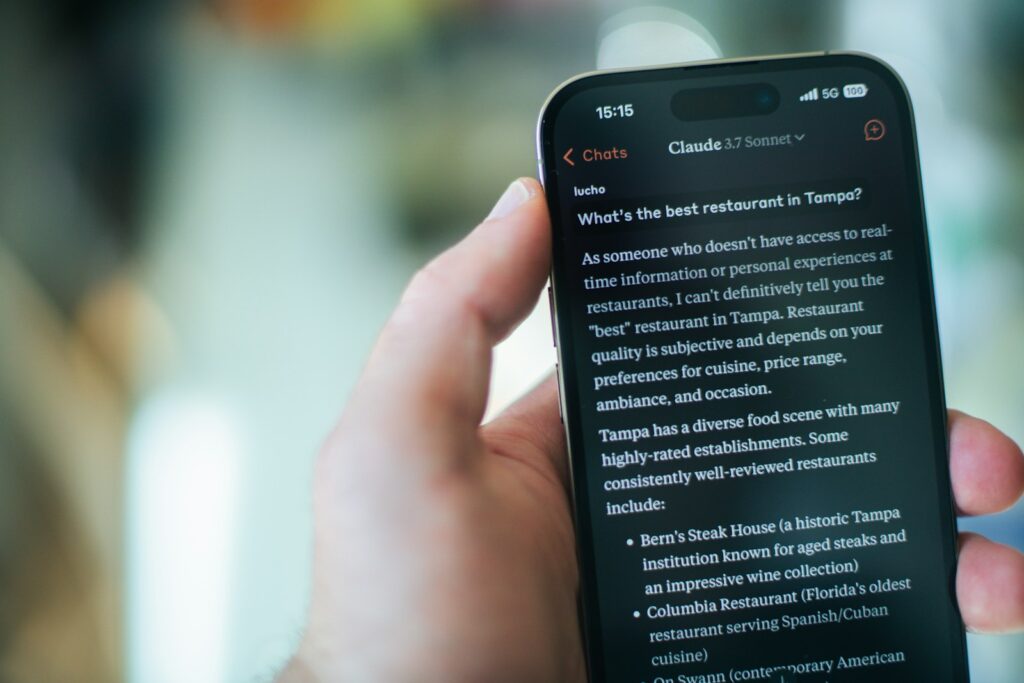
A new contender, Claude Code, is rapidly gaining attention among engineers, startups, and enterprise teams. Its rise isn’t just about features — it reflects a deeper shift in what developers want from AI and how software itself is being built.
The question is no longer whether AI will write code, but which AI developers trust to do it well.

What Is Claude Code?
Claude Code is a coding-focused extension of Anthropic’s Claude AI models, designed specifically to:
- Understand large codebases
- Follow long, structured instructions
- Maintain context across files
- Emphasize safety, clarity, and correctness
Rather than acting as a general-purpose chatbot that happens to write code, Claude Code is built to behave more like a collaborative programming partner.
That distinction matters.
Why Developers Are Paying Attention
1. Better Handling of Large Contexts
One of Claude Code’s biggest strengths is its ability to work with long code files and multi-file projects.
Developers report that it:
- Loses context less often
- Produces more consistent logic
- Handles refactors more cleanly
For real-world software — not toy examples — context is everything.
2. Fewer “Confidently Wrong” Answers
A common complaint about AI coding tools is hallucination: confident explanations paired with broken code.
Claude Code is designed to:
- Acknowledge uncertainty
- Ask clarifying questions
- Avoid guessing when information is missing
This makes it especially appealing in professional environments where mistakes are costly.
3. Alignment With Developer Values
Anthropic has positioned Claude around:
- Safety and reliability
- Predictability over flashiness
- Transparency in limitations
That resonates with engineers tired of chasing hype-driven tools.
Why This Isn’t Just About One Product
Claude Code’s rise signals a broader shift in AI-assisted programming.
From Autocomplete to Co-Author
Early AI coding tools focused on:
- Autocomplete
- Snippet generation
The new generation emphasizes:
- Architecture awareness
- Code reasoning
- Long-term maintainability
Developers want AI that understands systems — not just syntax.
Enterprise Adoption Is Driving Change
Large companies care less about novelty and more about:
- Reliability
- Security
- Auditability
- Predictable behavior
Claude Code’s cautious, structured approach fits enterprise needs better than models optimized for conversational flair.
The Competitive Landscape Is Heating Up
Claude Code is entering a crowded field:
- ChatGPT and GPT-based coding tools
- GitHub Copilot
- IDE-integrated AI assistants
- Open-source code models
What differentiates winners isn’t raw intelligence — it’s trust.
Why Trust Matters More Than Raw Capability
In software development:
- A small bug can cause massive failures
- Code lives for years
- Maintainability matters more than speed
An AI that writes 80% correct code quickly may be less valuable than one that writes 60% correct code reliably — with explanations and warnings.
Claude Code is betting on that trade-off.
Economic Implications for Developers
AI coding tools are changing how software work is valued:
- Junior developers can be more productive faster
- Senior developers spend more time reviewing and designing
- Code review and system thinking become premium skills
AI doesn’t eliminate programming — it reshapes the labor hierarchy.
What the Original Coverage Didn’t Fully Explore
Several important dynamics deserve more attention:
Vendor Lock-In
AI coding tools deeply embedded in workflows can be hard to replace.
Skill Atrophy
Over-reliance on AI risks weakening core programming skills if not managed carefully.
Open Source vs. Closed Models
The future balance between proprietary AI and open models remains uncertain.
Security Concerns
Code generated by AI still requires rigorous review to prevent vulnerabilities.
Will Claude Code Replace ChatGPT for Developers?
Not entirely.
ChatGPT remains strong for:
- Learning and explanations
- Broad experimentation
- General problem-solving
Claude Code shines in:
- Structured coding tasks
- Long projects
- Professional environments
Many developers will likely use both, depending on the task.
Frequently Asked Questions
Is Claude Code better than ChatGPT for coding?
For large, structured, or professional codebases, many developers find Claude Code more reliable. For quick questions or learning, ChatGPT remains popular.
Does Claude Code write production-ready code?
It can help generate and refactor code, but human review remains essential.
Is this bad news for programmers?
No. It shifts the focus toward higher-level thinking, design, and judgment.
Will AI coding tools reduce software jobs?
They may reduce demand for repetitive tasks but increase demand for skilled oversight and system design.
Is Claude Code safer?
It is designed to be more cautious, but no AI-generated code is risk-free.
What’s the long-term trend?
AI will become a standard part of development — like version control or testing frameworks.
The Bottom Line
Claude Code’s rise isn’t about dethroning ChatGPT.
It’s about signaling a new phase in AI-assisted programming — one where developers prioritize reliability over spectacle, context over cleverness, and trust over hype.
As AI becomes embedded in how software is built, the most successful tools won’t be the ones that talk the loudest.
They’ll be the ones developers trust with their code — and their systems — day after day.
Sources The Atlantic

