
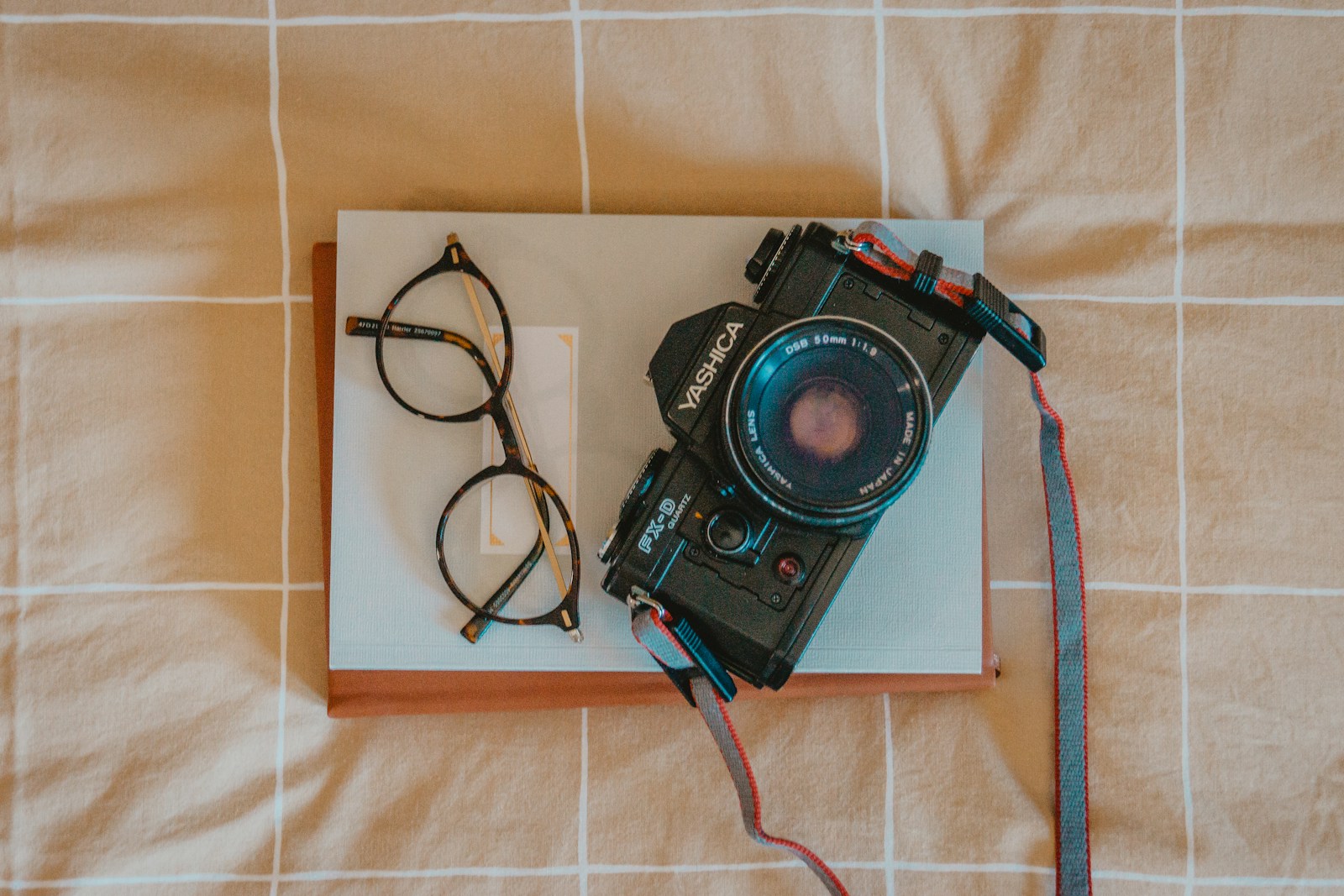
In 2026, artificial intelligence is everywhere. It writes emails, suggests purchases, schedules meetings, edits photos, tutors children, and even offers emotional support. For many, AI has become seamless — invisible — and unavoidable.
And yet, something unexpected is happening.
As AI grows more powerful, a growing number of people are doing the opposite of what tech evangelists predicted: they are deliberately stepping away from digital life and embracing the analog.
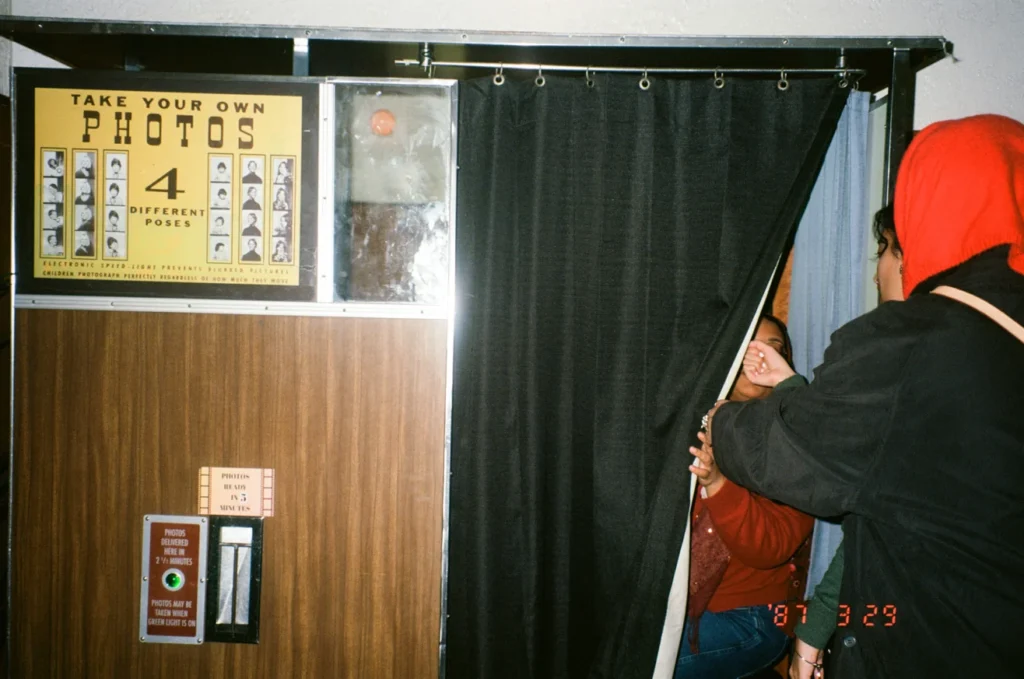
From knitting circles and woodworking workshops to handwritten journals and film photography, analog living is no longer a niche hobby. It’s becoming a cultural response to digital overload.

What the “Analog Lifestyle” Really Means
The analog lifestyle isn’t anti-technology — it’s intentional technology use.
People embracing it are choosing:
- Physical books over screens
- Crafting, sewing, and woodworking over digital hobbies
- In-person conversations over constant messaging
- Paper planners over productivity apps
- Slow, manual processes over automation
The goal isn’t efficiency. It’s presence.
Why AI Acceleration Triggered an Analog Backlash
AI didn’t invent digital fatigue — but it intensified it.
As AI:
- Automates creative work
- Speeds up communication
- Reduces friction everywhere
Many people feel a loss of:
- Personal agency
- Creative ownership
- Quiet mental space
Analog activities offer something AI can’t: slowness, imperfection, and physical engagement.
The Psychology Behind the Shift
Researchers and therapists point to several psychological drivers:
Cognitive Overload
Constant digital input exhausts attention. Analog tasks engage focus without notifications or interruptions.
Tangible Progress
Crafting produces physical results — something you can hold, not scroll past.
Control and Mastery
Manual skills offer a sense of competence that automated systems often remove.
Embodied Experience
Analog activities reconnect people to their senses — touch, sight, sound — grounding them in the present.
Why Crafting Is Surging
Crafting has become a cornerstone of analog living.
Popular activities include:
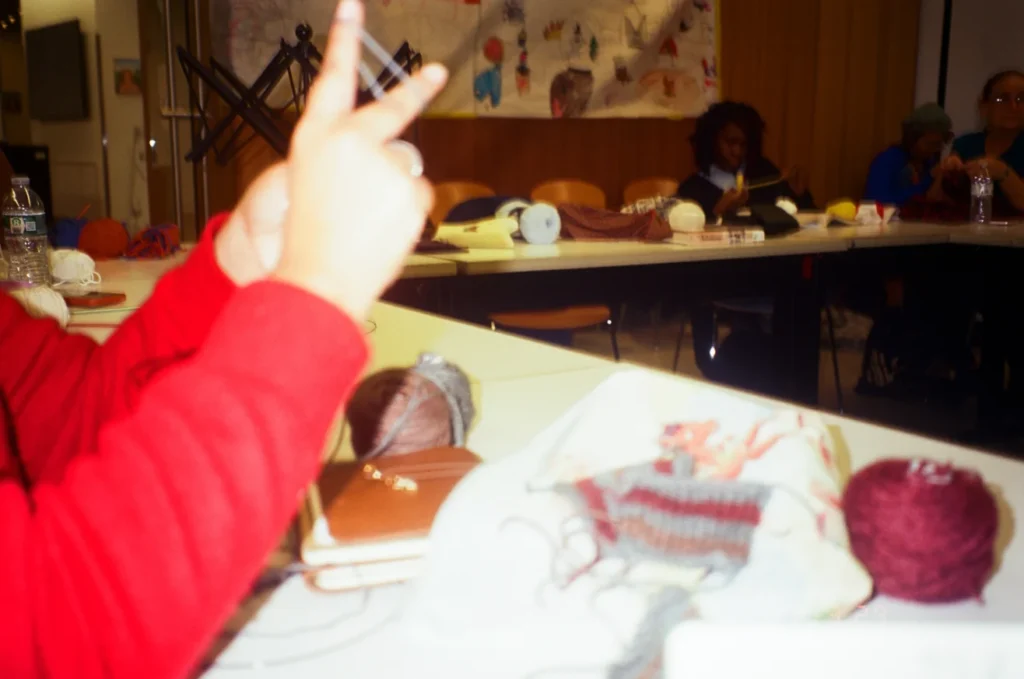
- Knitting and crochet
- Ceramics and pottery
- Woodworking
- Sewing and quilting
- Painting and printmaking
Unlike digital creation, crafting:
- Has no algorithm
- Produces no metrics
- Can’t be optimized by AI
The value lies in the process, not the output.
A Quiet Rebellion Against Optimization Culture
AI thrives on optimization: faster, cheaper, better.
Analog life resists that logic.
People choosing analog activities are often rejecting:
- Hustle culture
- Constant productivity tracking
- The pressure to monetize hobbies
- Algorithmic judgment
Doing something “slowly and badly” becomes an act of self-care.
The Economic Side of Analog Living
This shift is reshaping markets in subtle ways:
- Increased demand for handmade goods
- Growth in local workshops and classes
- Revival of independent bookstores
- Rising interest in repair and reuse
Ironically, analog living is also becoming a premium experience — one that reflects privilege, time, and choice.
Not Just Nostalgia — A Generational Response
Younger generations are among the strongest adopters of analog habits.
Why?
- They grew up fully digital
- They’re more aware of mental health impacts
- They’re skeptical of tech promises
- They seek authenticity over efficiency
Analog isn’t about going backward — it’s about regaining balance.
What the Original Conversation Often Misses
This Isn’t Anti-AI
Most people embracing analog still use AI — just selectively.
It’s About Boundaries
The movement reflects a desire to decide when technology is welcome.
Analog Is Not Escapism
It’s a coping strategy for a world that feels constantly optimized and observed.
Community Matters
Analog activities often rebuild local, in-person connections lost in digital spaces.
Will the Analog Trend Last?
Probably — but not as a full replacement for digital life.
More likely:
- Hybrid lifestyles will emerge
- Digital tools will coexist with intentional offline time
- “Analog moments” will become valued mental health practices
The future isn’t analog or AI — it’s choosing when each belongs.
Frequently Asked Questions
Is this an anti-technology movement?
No. It’s about intentional use, not rejection.
Why is this happening now?
AI acceleration intensified existing digital fatigue and identity concerns.
Is analog living only for privileged people?
Time and resources matter, but many analog practices are low-cost and community-based.
Does analog living improve mental health?
Many people report reduced anxiety and increased focus, though experiences vary.
Will AI companies respond to this trend?
Some already are, by promoting “mindful tech” and digital wellbeing tools.
Is this just nostalgia?
Partially — but it’s also a rational response to automation and overload.
The Bottom Line
In a world where AI promises to do everything faster, smarter, and better, more people are discovering the quiet power of doing things slowly, imperfectly, and by hand.
The rise of analog living isn’t a rejection of the future.
It’s a reminder that progress doesn’t always mean more technology — sometimes it means less noise, more touch, and greater control over how we live.
As AI reshapes daily life, the most meaningful innovation for many may be learning when to unplug — and why that choice matters.
Sources CNN

