
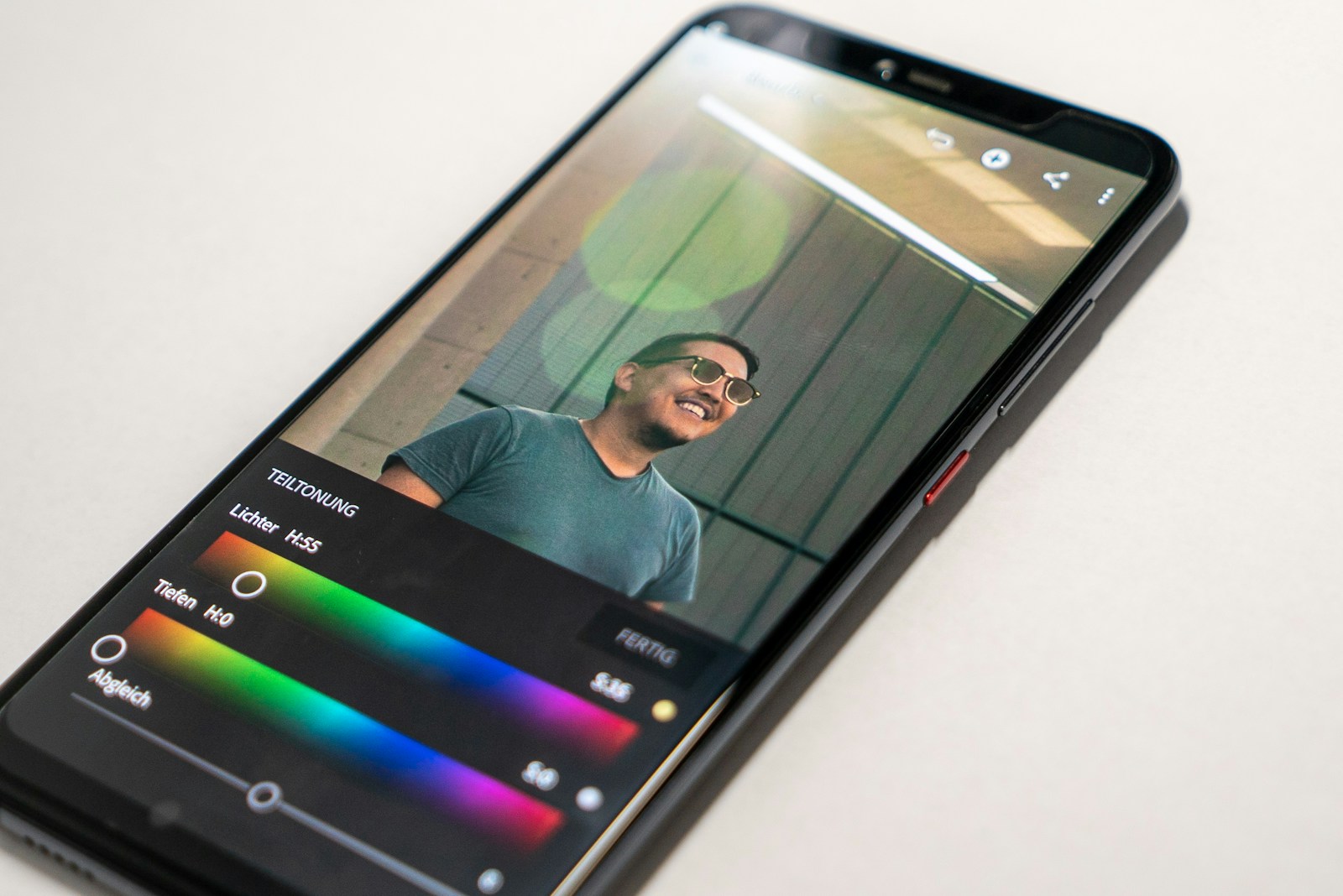
Every time you take a photo on your phone, something remarkable happens — an AI quietly edits it before you ever see it. Long before you tap filters, adjust brightness, or crop an image, artificial intelligence has already made dozens of decisions on your behalf. Most people never notice. Almost no one opts out.
This article explores how invisible AI photo editing works, why tech companies rely on it, what the original discussion often overlooks, and what this silent automation means for creativity, truth, and trust in the digital age.
The Rise of Invisible AI in Photography
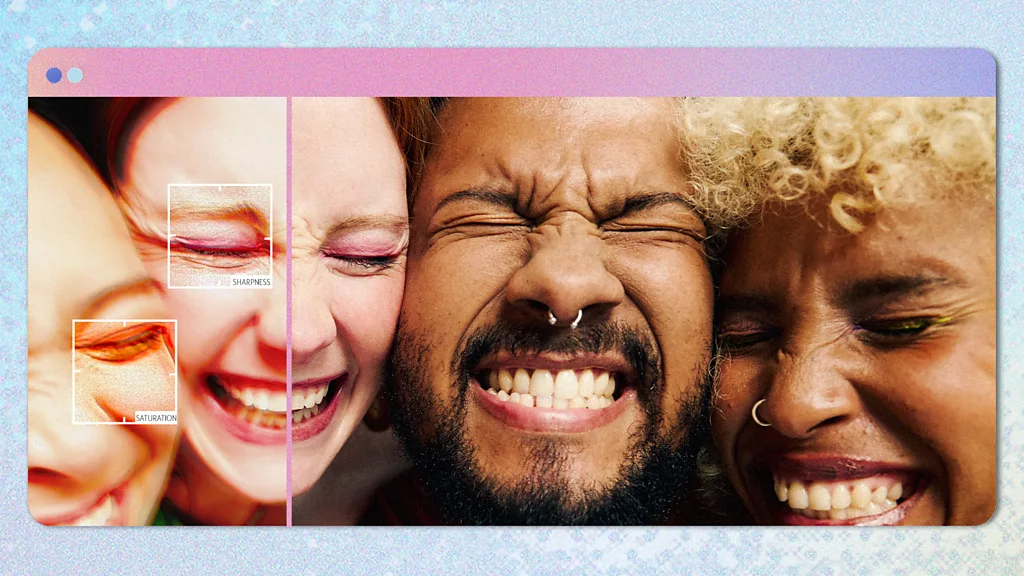
Modern photography is no longer about capturing reality — it’s about interpreting it through algorithms.
Smartphones, cameras, and social platforms now use AI to:
- Adjust exposure and lighting
- Enhance colors and contrast
- Reduce noise and blur
- Detect faces and skin tones
- Combine multiple images into one “perfect” shot
All of this happens automatically, often in milliseconds, without explicit user approval.
How AI Edits Photos Before You See Them
Computational Photography at Work
When you press the shutter button, your phone doesn’t take one photo — it captures many frames at once. AI then:
- Chooses the sharpest details
- Balances highlights and shadows
- Removes motion blur
- Enhances specific objects like faces, skies, or food
The final image is not a single moment in time — it’s a constructed result.
Scene and Object Recognition
AI models recognize what’s in your photo:
- A sunset gets warmer tones
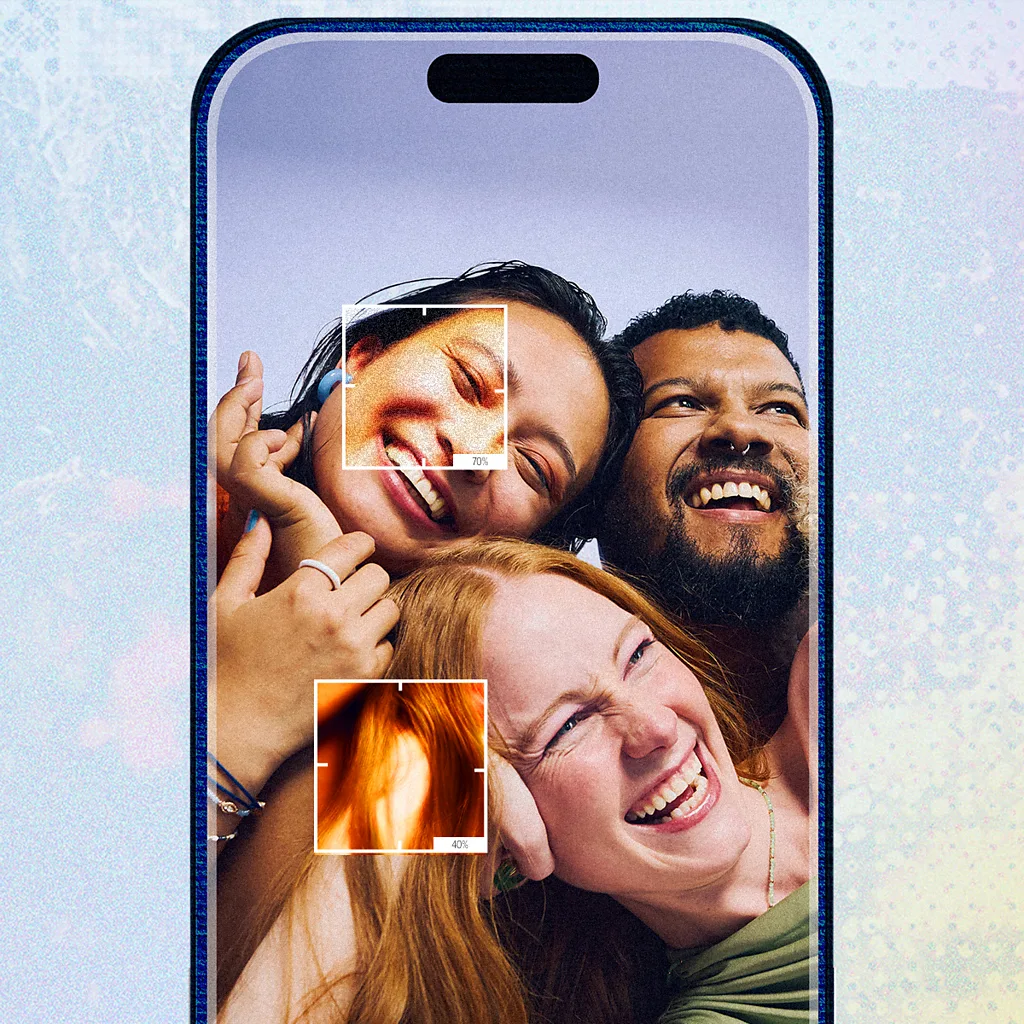
- A face gets smoother skin and brighter eyes
- Food becomes more saturated
- Text becomes clearer
The goal is not accuracy — it’s pleasing results.
What People Often Don’t Realize
You’re Rarely Seeing the “Original” Photo
In many devices, the unedited image:
- Is never shown
- Is overwritten
- Is stored in a format you can’t easily access
Your photo is already a suggestion, not a record.
AI Editing Reflects Company Values, Not Yours
Decisions about what looks “good” are made by:
- Engineers
- Designers
- Training datasets
These choices influence:
- Beauty standards
- Color preferences
- Cultural representation
What looks “natural” is often learned, not neutral.
Automation Shapes Memory
Photos influence how we remember events. When AI:
- Brightens smiles
- Smooths imperfections
- Enhances environments
It subtly rewrites memory, making moments feel better than they were.
Why Tech Companies Use Automatic AI Editing
Most Users Want Better Photos, Not Control
Studies show users prefer photos that:
- Look brighter
- Appear sharper
- Hide flaws
AI delivers instant gratification with no effort.
Manual Editing Doesn’t Scale
Billions of photos are taken daily. AI allows platforms to:
- Improve content quality
- Increase sharing and engagement
- Standardize visual output
Better-looking photos keep people posting.
Competitive Pressure Drives Automation
If one device produces “better” photos, others must match or exceed it. This has created an arms race of invisible enhancement.
The Ethical and Cultural Questions
Is This Still Photography?
When AI alters lighting, facial features, and timing:
- Is the photo documentation or interpretation?
- Who is the artist — the photographer or the algorithm?
There’s no clear answer.
Bias in AI Enhancement
AI trained on limited datasets may:
- Favor certain skin tones
- Apply beauty standards unevenly
- Misinterpret cultural contexts
Invisible editing can quietly reinforce bias.
The Truth Problem
In journalism, law, and science, AI-altered images raise concerns:
- What counts as evidence?
- Where is the line between enhancement and manipulation?
As AI improves, that line blurs.
Can You Opt Out?
Sometimes — but not easily.
Some devices allow:
- Shooting in RAW mode
- Turning off “scene optimization”
However:
- Defaults favor AI
- Options are buried
- Social platforms re-edit uploads anyway
True opt-out remains rare.
What the Future of AI Photography Looks Like
Soon, AI will:
- Edit photos based on your past preferences
- Generate missing details
- Alter expressions or poses subtly
- Create images that never existed
Photography will become less about capture — and more about co-creation with machines.
Frequently Asked Questions
Is AI editing my photos without permission?
Yes — usually by default. Consent is assumed through device settings.
Are these edits reversible?
Often no. The original image may not be saved.
Does AI editing count as manipulation?
Technically yes, though it’s framed as “enhancement.”
Can professionals avoid this?
Professionals can shoot in RAW and use manual tools, but consumer platforms still apply edits.
Is AI photo editing dangerous?
Not inherently — but lack of transparency and bias are real concerns.
Final Thoughts
AI isn’t just changing photography — it’s quietly redefining reality.
The photos you see aren’t lies, but they aren’t pure truth either. They’re interpretations optimized for appeal, shaped by algorithms you didn’t choose and standards you didn’t set.
The question isn’t whether AI should edit our photos.
It’s whether we should be more aware when it does.
Because once you notice the invisible editor,
you’ll never look at a photo the same way again.
Sources BBC

