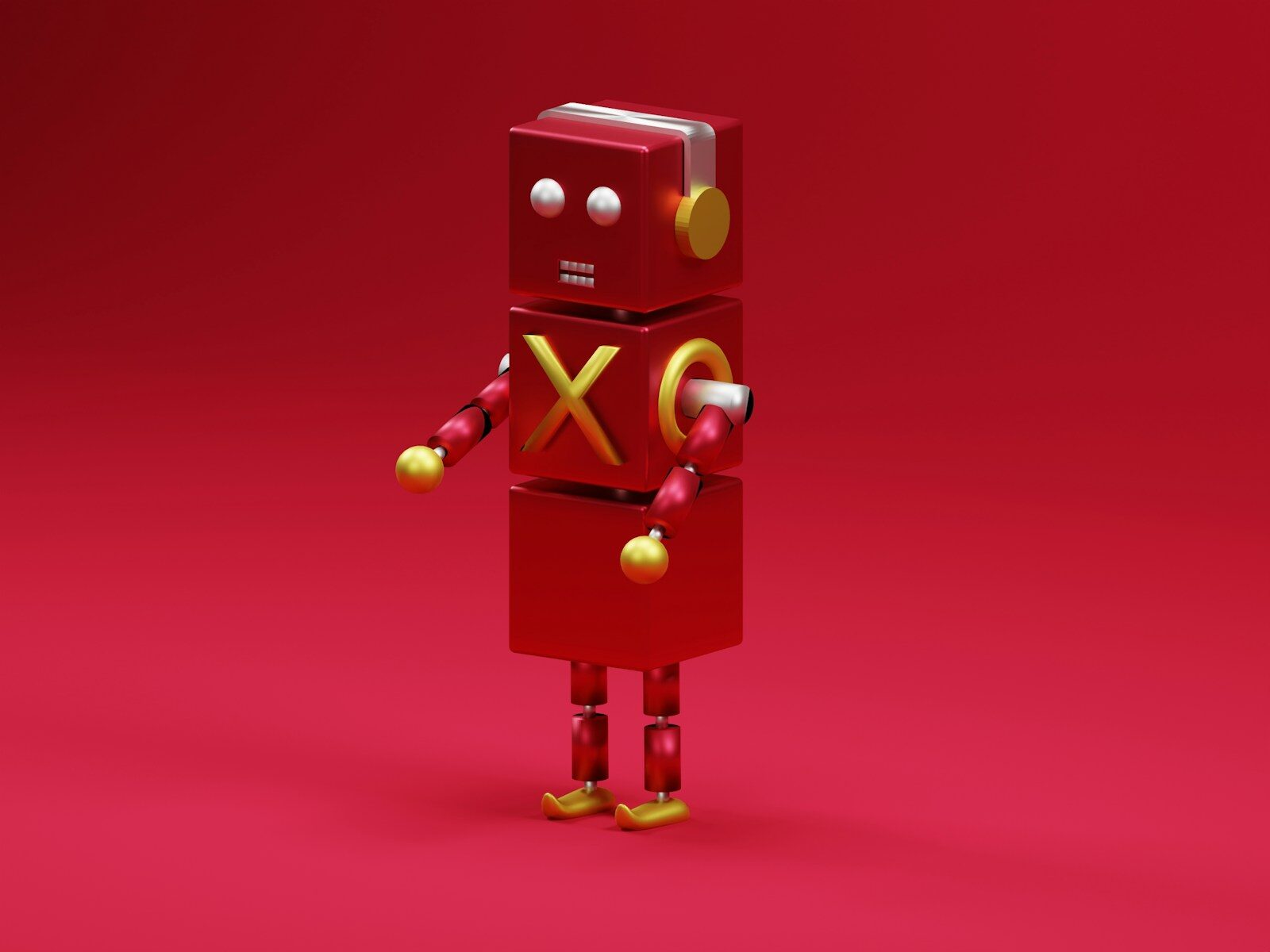
From wide, blinking eyes to rounded cheeks and playful voices, today’s robots are looking less like cold machines and more like animated movie sidekicks. Across the tech industry, companies are deliberately designing robots to appear cute, friendly, and emotionally engaging. The strategy is clear: if humans feel comfortable with robots, they’re more likely to welcome them into homes, hospitals, schools, and workplaces.
But beneath the soft edges and cheerful expressions lies a powerful intersection of psychology, marketing, engineering, and ethics.
The Rise of “Cute” Robotics
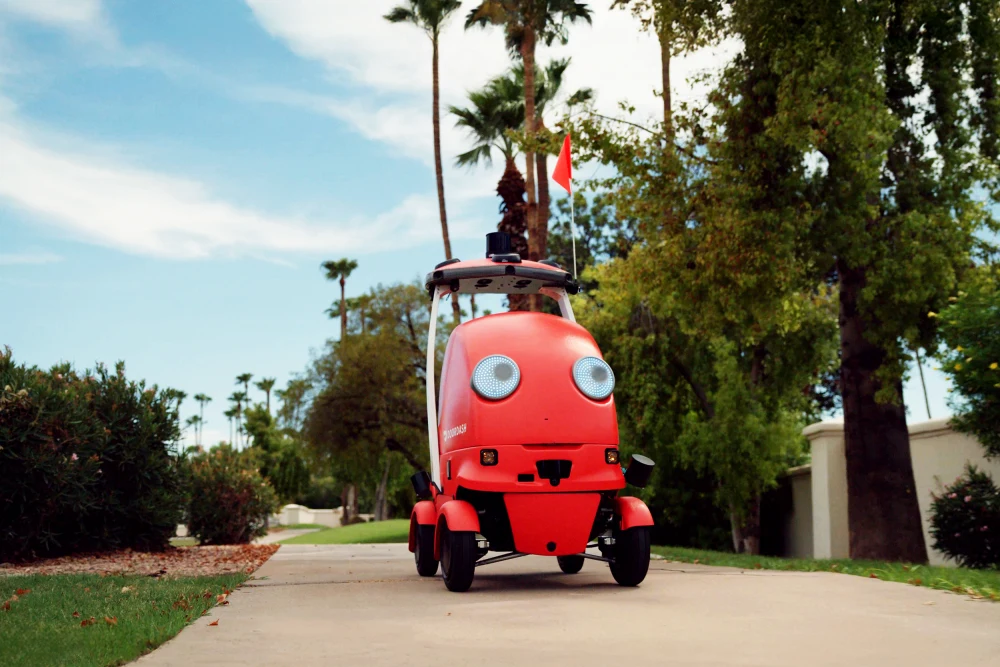
Robots were once built for industrial tasks—heavy, rigid machines bolted to factory floors. Now they’re increasingly designed for social interaction. Consumer robotics companies, AI startups, and even major tech giants are investing in robots that resemble animated characters rather than mechanical devices.
Modern social robots often include:
- Large, expressive eyes
- Rounded shapes instead of sharp edges
- Soft materials and smooth movements
- High-pitched, friendly voices
- Animated gestures like nodding or tilting the head
These design choices are not accidental. They’re based on decades of research into how humans emotionally respond to visual cues.
The Psychology Behind Cute Robots
The “Baby Schema” Effect
Psychologists have long studied a phenomenon known as the baby schema—features such as big eyes, small noses, and round faces that trigger caregiving instincts in humans. When robots incorporate these traits, people instinctively perceive them as non-threatening and worthy of protection.
This biological wiring makes users more forgiving of errors and more likely to attribute personality or intention to machines.
Anthropomorphism
Humans naturally assign human traits to non-human objects. We name cars, talk to virtual assistants, and shout at malfunctioning devices. Cute robots amplify this tendency, making interactions feel personal and social rather than transactional.
Reducing Fear of Automation
Automation can feel intimidating. A humanoid robot replacing jobs may spark anxiety. A small, cartoonish helper robot feels less threatening. Cuteness softens the narrative around AI and robotics, reframing them as companions rather than competitors.
Where Cute Robots Are Being Used
Home Assistants
Robots designed for companionship, reminders, and entertainment often rely heavily on expressive faces and playful behaviors to build user attachment.
Healthcare
In hospitals and elder care facilities, socially assistive robots are used to reduce loneliness, guide patients, and support therapy sessions. A friendly appearance can increase patient trust and cooperation.
Education
Classroom robots help teach language skills, coding basics, and social interaction. Students, especially younger children, are more receptive when the robot appears approachable.
Retail and Hospitality
Customer service robots in hotels, airports, and stores often adopt cute designs to encourage engagement and reduce hesitation from customers.
Designing Emotion Into Machines
Creating a cute robot goes far beyond aesthetics. Engineers and designers work together to fine-tune:
- Movement speed – Smooth, slightly exaggerated motions appear more lifelike.
- Eye tracking – Robots that maintain “eye contact” feel attentive.
- Micro-expressions – Subtle shifts in posture or sound tone create emotional depth.
- Voice modulation – Warm, expressive voices enhance relatability.
Artificial intelligence systems allow robots to respond dynamically to tone of voice, facial expressions, and context, strengthening the illusion of empathy.
The Business Case for Cuteness
From a marketing perspective, cute robots:
- Increase user adoption rates
- Encourage repeat interaction
- Reduce product return rates
- Improve brand perception
- Generate viral social media appeal
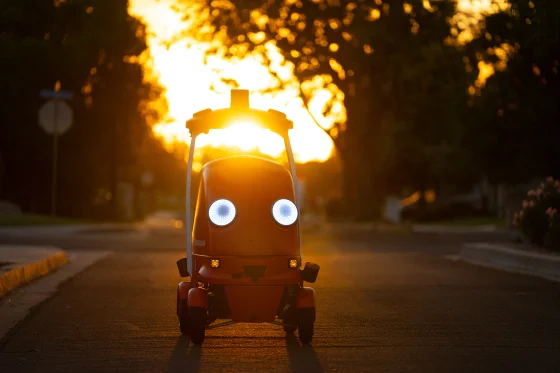
A robot that makes users smile is easier to sell than one that feels clinical or intimidating.
Companies recognize that emotional connection drives consumer behavior just as much as technical capability.
The Ethical Questions
While cute robots can enhance comfort and trust, they also raise concerns.
Emotional Manipulation
If users develop emotional attachments to machines, are companies exploiting psychological vulnerabilities? Particularly in children or elderly populations, attachment can blur the line between tool and companion.
Over-Trust in AI
A friendly face may cause users to overestimate a robot’s intelligence or reliability. This could lead to misplaced trust in situations requiring critical judgment.
Data Privacy
Many social robots collect data—voice recordings, behavioral patterns, environmental information. Friendly design may distract users from privacy considerations.
Dependency
There is concern that excessive reliance on social robots could reduce human-to-human interaction.
The “Uncanny Valley” Challenge
Interestingly, making robots too realistic can backfire. The “uncanny valley” describes the discomfort people feel when something looks almost—but not quite—human. Designers intentionally keep robots slightly cartoonish to avoid this effect.
The sweet spot? Cute enough to feel relatable, but clearly mechanical enough to avoid eeriness.
What the Future Holds
As robotics and AI evolve, cute designs may become even more sophisticated:
- Personalized emotional expressions based on user behavior
- Adaptive personalities tailored to individual preferences
- Integration with smart home ecosystems
- More natural conversational abilities
However, regulation and public discourse will likely play a growing role in shaping how emotionally intelligent robots are deployed.
Frequently Asked Questions (FAQ)
Q: Why are companies making robots cute instead of realistic?
Cute designs reduce fear, increase trust, and avoid the uncanny valley effect that occurs with overly human-like robots.
Q: Do people really form emotional bonds with robots?
Yes. Studies show that humans often develop emotional attachment to interactive machines, especially those with expressive features.
Q: Is it ethical to design robots that trigger emotional responses?
This is debated. While emotional design improves usability and comfort, critics argue it can manipulate users or obscure the machine’s limitations.
Q: Are cute robots less capable than industrial robots?
Not necessarily. Appearance does not determine capability. Many advanced AI systems are packaged in friendly designs for social environments.
Q: Will robots replace human interaction?
Robots are more likely to supplement human interaction rather than fully replace it, especially in care, education, and service settings.
Conclusion
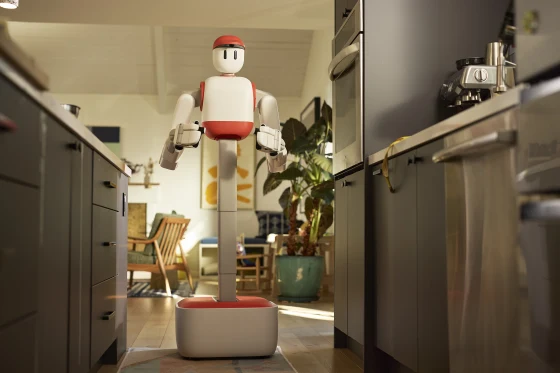
Cute robots are not just a design trend—they represent a strategic shift in how technology integrates into human life. By blending psychology, AI, and industrial design, companies are reshaping public perception of automation.
The future of robotics may not look metallic and intimidating. It may look wide-eyed, rounded, and surprisingly adorable—because sometimes, the easiest way to introduce powerful technology is with a smile.
Sources CNBC