
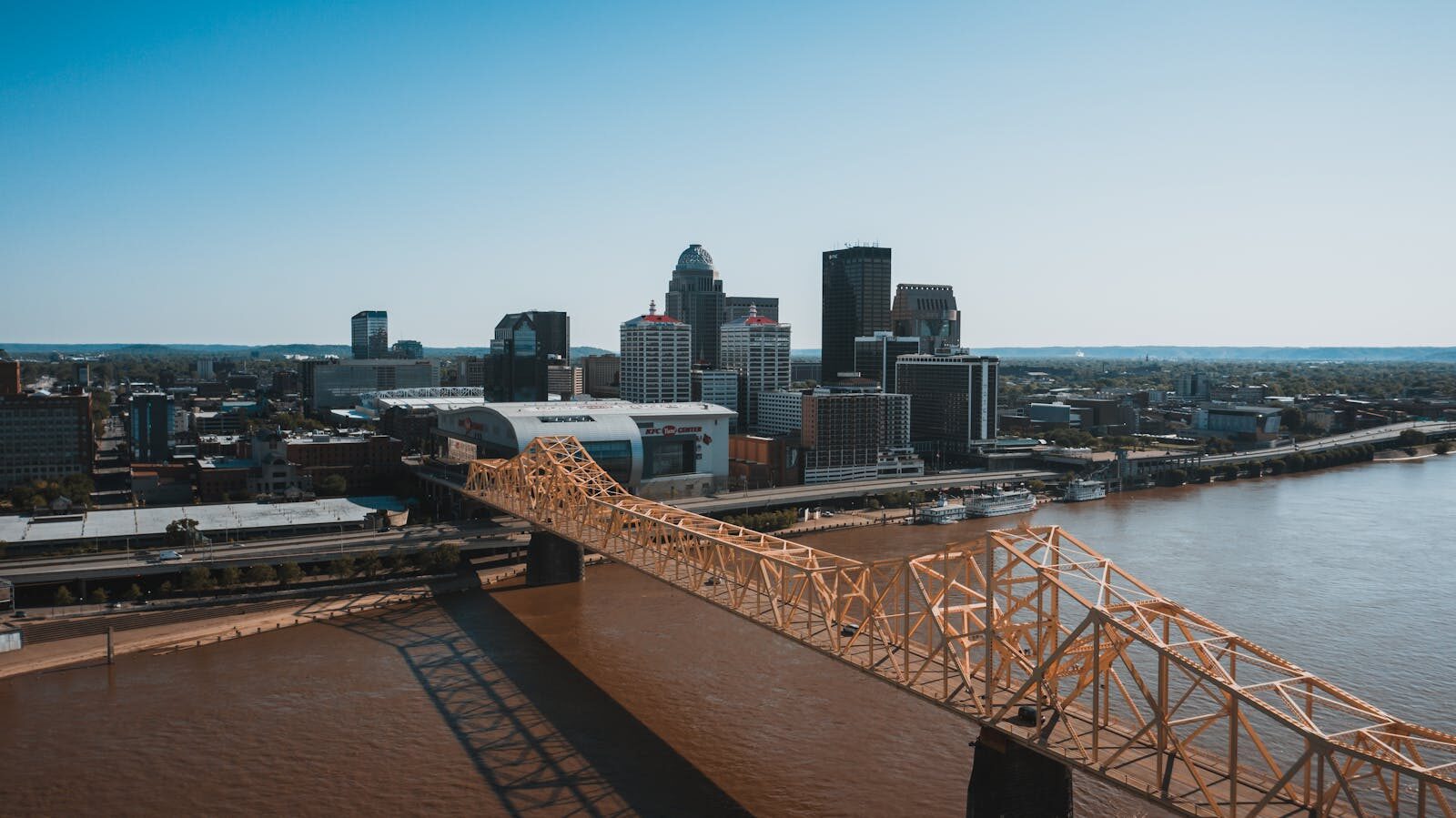
For decades, America’s technology industry has been associated with coastal hubs like Silicon Valley, Seattle and New York. But as artificial intelligence reshapes the global economy, a surprising region is emerging as a potential powerhouse: the American Midwest.
Once defined primarily by manufacturing and agriculture, the Midwest is increasingly positioning itself as a strategic center for data infrastructure, AI research, advanced manufacturing and digital innovation. Lower costs, abundant energy, strong universities and geographic advantages are helping the region attract investment from technology companies seeking alternatives to expensive coastal tech hubs.
The transformation raises an important question: Could the next wave of the AI economy be built not on the coasts, but in the heartland?
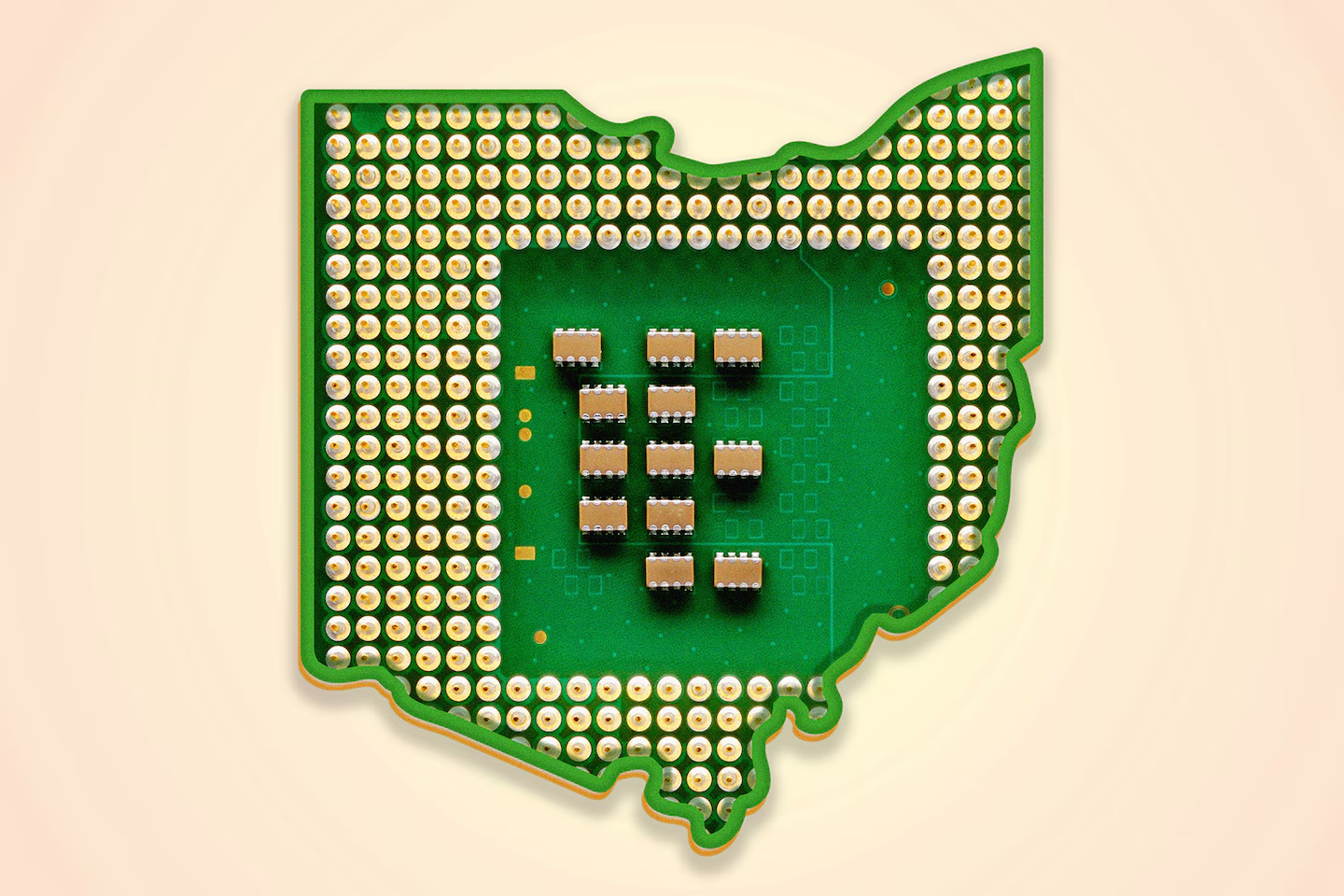
Why the Midwest Is Suddenly Attractive for AI
Several structural advantages make the Midwest uniquely suited for the AI era.
1. Abundant Land and Infrastructure
Artificial intelligence depends heavily on data centers—massive facilities filled with servers that train and run AI models. These centers require:
- Large physical spaces
- Reliable power supplies
- Cooling infrastructure
- Network connectivity
The Midwest offers abundant land at far lower costs than major coastal cities. Regions in states like Ohio, Iowa, Nebraska and Indiana have already become data center hubs.
2. Energy Availability
AI computing consumes enormous amounts of electricity. Training advanced AI models can require megawatts of power.
The Midwest has advantages here as well:
- Strong electricity grids
- Access to renewable energy sources such as wind and solar
- Relatively lower energy costs
States across the region are expanding renewable energy production, which helps tech companies meet sustainability goals.
3. Strong Universities and Talent Pipelines
The Midwest hosts world-class research institutions, including:
- University of Illinois
- University of Michigan
- Purdue University
- Ohio State University
- University of Wisconsin
These universities produce large numbers of engineers, computer scientists and data specialists. Many have also expanded AI research labs and partnerships with private companies.
Historically, graduates often moved to coastal tech centers. Increasingly, companies are coming to them.
4. Advanced Manufacturing Integration
AI’s economic impact extends far beyond software. It is transforming manufacturing through:
- robotics automation
- predictive maintenance
- digital twins
- AI-driven supply chain optimization
Because the Midwest already has strong manufacturing infrastructure, it is well positioned to integrate AI into physical production systems.
Factories are becoming data-driven environments where AI models optimize efficiency in real time.
The Data Center Boom
In recent years, tech giants and cloud providers have expanded data center construction across the Midwest.
These facilities support:
- cloud computing services
- AI training clusters
- large-scale data storage
- enterprise software platforms
Communities that once relied on manufacturing plants now compete to host server farms.
Local governments often offer incentives such as tax breaks or infrastructure upgrades to attract these projects.
However, the economic benefits can be mixed. Data centers create construction jobs and local tax revenue, but they employ fewer workers long-term than traditional factories.
Agriculture Meets Artificial Intelligence
The Midwest’s agricultural sector is also becoming a testing ground for AI innovation.
Modern farming increasingly relies on:
- AI-powered crop monitoring
- autonomous tractors and harvesters
- drone-based field analysis
- predictive weather modeling
- soil health analytics
Precision agriculture allows farmers to optimize yields while reducing fertilizer, pesticide and water usage.
Agri-tech startups and university research labs are developing AI tools tailored specifically to large-scale farming environments common in the region.

Revitalizing Smaller Cities
Another advantage for the Midwest is affordability.
Compared with coastal tech hubs, cities like:
- Columbus
- Indianapolis
- Madison
- Des Moines
- Kansas City
offer lower housing costs, shorter commutes and expanding tech ecosystems.
These conditions make it easier for companies to recruit talent seeking quality of life alongside professional opportunity.
In some areas, former industrial districts are being redeveloped into technology campuses and startup incubators.
Challenges Facing the AI Heartland
Despite its advantages, the Midwest still faces obstacles.
Talent Retention
Many highly skilled graduates continue to migrate to established tech hubs where venture capital and startup ecosystems remain stronger.
Venture Capital Gap
Investment funding remains concentrated on the coasts, making it harder for Midwest startups to scale quickly.
Infrastructure Modernization
While the region has strong energy and transportation systems, some areas need expanded broadband connectivity to fully support digital industries.
Economic Transition
Communities historically dependent on manufacturing must adapt workforce training programs to meet new technological demands.
The Role of Public Policy
Government investment could accelerate the Midwest’s AI rise.
Potential initiatives include:
- expanded STEM education programs
- federal AI research grants
- infrastructure upgrades
- incentives for technology companies relocating to the region
Policies encouraging regional innovation hubs could help diversify the national tech landscape.
The Strategic Importance
Building AI capacity beyond coastal hubs has broader implications.
A geographically diversified tech economy can:
- strengthen national resilience
- reduce economic inequality between regions
- expand workforce participation
- distribute innovation benefits more widely
If AI development spreads across multiple regions, the economic gains of the technology revolution could be shared more broadly.
Frequently Asked Questions (FAQ)
Q: Why are tech companies moving to the Midwest?
Lower costs, energy availability, land for data centers and strong universities make the region attractive for AI infrastructure.
Q: Will the Midwest replace Silicon Valley?
Unlikely. Silicon Valley will remain influential, but the tech economy may become more geographically distributed.
Q: What types of AI jobs could grow in the Midwest?
Data center operations, AI research, advanced manufacturing engineering, agricultural technology development and cloud infrastructure roles.
Q: Are data centers good for local economies?
They bring investment and tax revenue but generally create fewer long-term jobs than manufacturing facilities.
Q: How does AI affect Midwest agriculture?
AI enables precision farming techniques that improve productivity and sustainability.
Q: What challenges remain?
Access to venture capital, talent retention and infrastructure development remain key hurdles.
Q: Could this reduce regional economic inequality?
Potentially, if technology investment spreads beyond traditional coastal tech centers.

Conclusion
The Midwest’s transformation into an AI hub is still unfolding, but the ingredients are increasingly visible: energy, land, universities and industrial expertise.
While Silicon Valley may remain the symbolic center of technological innovation, the infrastructure that powers artificial intelligence could increasingly be built in America’s heartland.
If that shift continues, the next chapter of the digital economy may not be written solely on the coasts — but across the fields, factories and research labs of the Midwest.
Sources The Washington Post

