

The Convenience Trap No One Talks About
AI can write your emails.
Solve your problems.
Explain complex ideas in seconds.
Sounds like a superpower, right?
But here’s the uncomfortable question:
👉 What if the more you rely on AI… the less you actually think for yourself?
This isn’t just speculation anymore.
Researchers and experts are starting to ask whether AI tools—especially chatbots—might be changing how our brains work.
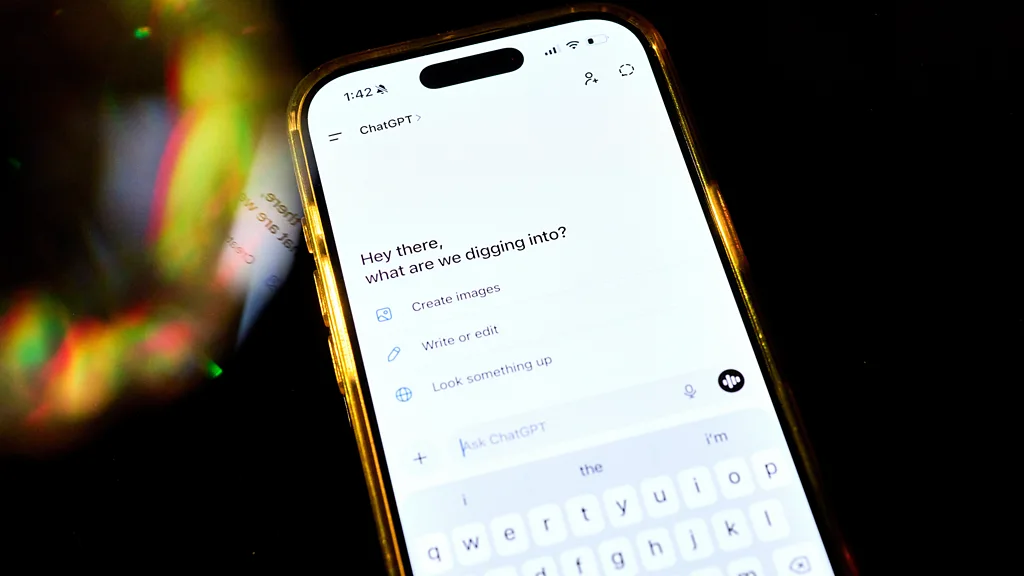
🧠 The Core Concern: Outsourcing Your Thinking
AI is designed to make life easier.
And it does.
But ease comes with a trade-off:
👉 You stop doing the hard parts.
What gets outsourced?
- Problem-solving
- Critical thinking
- Memory recall
- Writing and reasoning
👉 Over time, this can weaken the very skills AI is replacing.
📉 The “Cognitive Offloading” Effect
This isn’t new.
Humans have always offloaded thinking:
- Calculators for math
- GPS for navigation
- Google for memory
But AI goes further.
👉 It doesn’t just give answers—it does the thinking process itself.
The risk:
If you don’t practice thinking…
👉 Your brain gets worse at it.
⚠️ Signs AI Might Be Affecting Your Thinking
1. You Accept Answers Without Questioning
AI sounds confident—even when wrong.
2. You Struggle to Explain Things Yourself
Because you didn’t work through the logic.
3. You Default to AI for Simple Tasks
Even when you could do them yourself
4. You Think Less Deeply
Because the answer is already provided.
👉 These are subtle—but powerful shifts.
🔍 What the Original Article Didn’t Fully Explore
Let’s go deeper into the hidden consequences:
1. The Decline of “Productive Struggle”
Struggle is how we learn.
- Solving problems
- Making mistakes
- Thinking deeply
AI removes that struggle.
👉 And with it:
- Learning depth decreases
2. The Illusion of Intelligence
Using AI can make you feel smarter:
- Better answers
- Faster results
But:
👉 You may not actually understand anything.
3. Shortened Attention Spans
AI delivers:
- Instant answers
- Simplified explanations
👉 This reduces patience for:
- Deep reading
- Complex thinking
4. Overconfidence Risk
If AI is wrong—and you trust it:
👉 You may:
- Spread misinformation
- Make poor decisions
5. Dependency Loop
The more you use AI:
👉 The more you rely on it
The more you rely on it:
👉 The less capable you feel without it
👉 That’s a dangerous cycle.
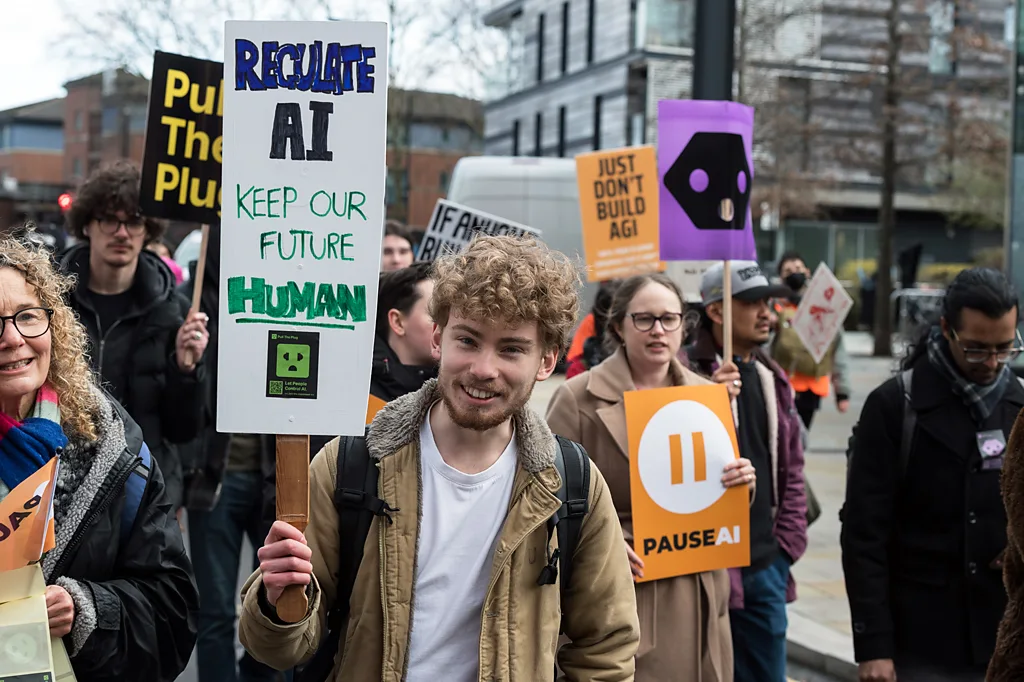
⚖️ The Truth: AI Isn’t the Problem—How You Use It Is
AI can actually make you smarter…
👉 If used correctly.
✅ Helpful Uses:
- Learning new concepts
- Exploring ideas
- Getting explanations
- Brainstorming
❌ Harmful Uses:
- Replacing thinking entirely
- Copying without understanding
- Avoiding mental effort
👉 Same tool. Very different outcomes.
🧩 Who Is Most Affected?
1. Students
- Using AI for homework without learning
2. Professionals
- Relying on AI for decision-making
3. Everyday Users
- Defaulting to AI for basic thinking
👉 The impact is widespread.
🛠️ How to Use AI Without Losing Your Brainpower
✅ 1. Think First, Then Ask AI
Try solving before checking.
✅ 2. Question the Answers
Don’t assume AI is correct.
✅ 3. Use AI as a Teacher, Not a Shortcut
Ask:
👉 “Explain why” instead of “Give me the answer”
✅ 4. Practice Independent Thinking
Regularly solve problems without AI.
✅ 5. Reflect on What You Learn
Make sure you actually understand.
👉 Use AI to boost thinking—not replace it.
🔮 The Future: Smarter Humans or Dependent Users?
Two possible paths:
Scenario 1: Smarter Humans
- AI enhances thinking
- People learn faster
- Knowledge expands
Scenario 2: Cognitive Decline
- Over-reliance on AI
- Reduced critical thinking
- Shallow understanding
👉 The outcome depends on how we use the technology today.
❓ Frequently Asked Questions
1. Is AI really making people less intelligent?
Not directly.
👉 But over-reliance can weaken thinking skills.
2. Is using AI for learning bad?
No.
👉 It’s beneficial if used actively—not passively.
3. Why does AI feel so convincing?
Because it:
- Uses confident language
- Mimics human reasoning
4. Can AI improve intelligence?
Yes—if it:
- Encourages understanding
- Supports learning
5. What’s the biggest risk?
👉 Losing the ability to think independently.
6. Should I stop using AI?
No.
👉 Just use it intentionally and critically.

🔥 Final Thought
AI is one of the most powerful thinking tools ever created.
But tools don’t just change what we do…
👉 They change how we think.
And in a world where answers are instant…
👉 The real skill won’t be finding answers—
It will be knowing how to think without them.
Sources BBC

