
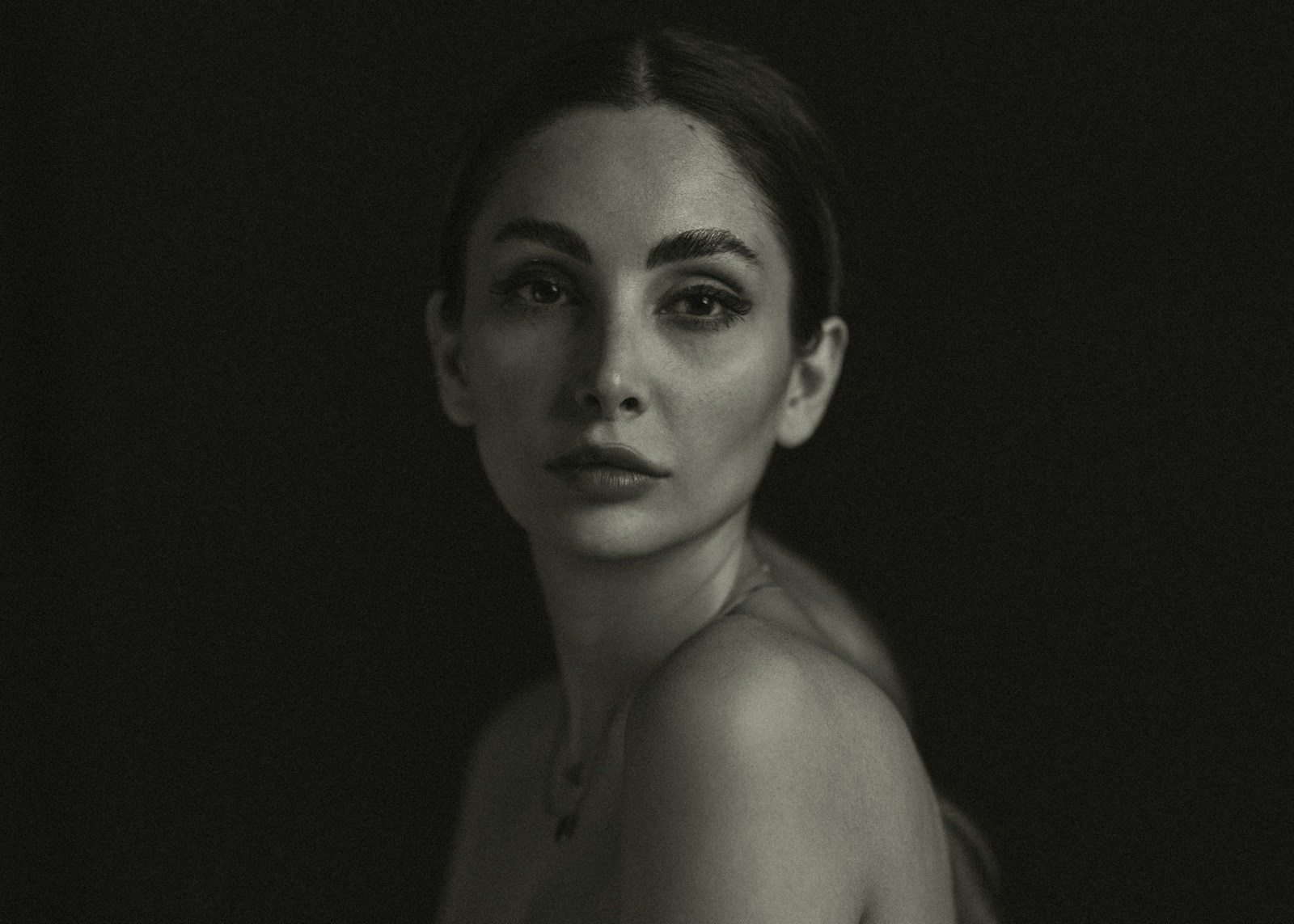
When an AI-generated character named Tilly Norwood began making rounds as a “digital actress,” complete with social media presence and promotional clips, the reaction from Hollywood was swift and fierce. Emily Blunt, among other big names, denounced the move as “terrifying,” and SAG-AFTRA (the actors’ union) joined the chorus of critics. The controversy isn’t just about a novelty — it touches on art, labor, ethics, technology, and the future of acting itself.
Here’s what’s going on, what many reports leave out, and where the debate might head next.

The Unveiling of Tilly Norwood & Immediate Backlash
The Basics
- Creation: Tilly Norwood is an artificial intelligence–generated persona created by Xicoia, a talent studio under Particle6, led by Eline Van der Velden. She was introduced formally at the Zurich Summit/Film Festival by her creators.
- Ambitions: Her backers have expressed goals for representation by talent agencies and film roles, positioning her as the next fictional star with real-world reach.
- Early Content: Among her first credits is AI Commissioner, a short sketch that satirizes aspects of modern TV development.
- Online Presence: She already has an Instagram account with tens of thousands of followers and posts styled like those of real actors.
- Agency Interest: Several talent agencies have reportedly shown interest in representing her — a move that triggered alarm in the actor community.
Hollywood Speaks Out
- Emily Blunt called the concept “really, really scary,” warning that synthetic actors could erode human connection in performance.
- SAG-AFTRA slammed the idea, arguing that acting is inherently human and that AI characters trained on human performances without consent threaten livelihoods.
- Other performers, including Natasha Lyonne and Melissa Barrera, publicly criticized agencies that would consider representing an AI actor, urging boycotts.
- Whoopi Goldberg (on The View) warned that audiences might sense there’s no real emotional soul behind a performance generated by algorithm.
- The backlash is not purely emotional — it’s rooted in long-standing tensions over AI, likeness rights, and creative labor in Hollywood.
What Many Reports Miss — Nuanced Issues & Hidden Tensions
Likeness, Data & Consent
- One of the biggest concerns is how Tilly was created. If her model has been trained on existing actors’ images, performances, voices, or expressions without their consent or compensation, that raises serious legal and moral questions.
- Hollywood actors have long negotiated contracts about how their likeness and voice can be used. A synthetic performer complicates that entire framework.
Economic & Labor Disruption
- The potential for AI actors threatens jobs — especially for extras, background artists, voice actors, stunt doubles, and those in smaller roles.
- Cost cuts are tempting: AI characters don’t require scheduling, travel, insurance, or pay. That economic incentive may push studios to prefer AI for roles once held by humans.
Artistic Integrity & Emotional Depth
- Acting is not just about mimicking appearance or dialogue — it’s about lived experience, emotional truth, spontaneity, and relationship with other performers.
- Critics argue AI-driven performances, no matter how technically polished, may lack the intangible humanity audiences respond to.
Precedent, Regulation & Industry Safeguards
- The controversy amplifies calls for industry regulation: legally defining when and how AI can be used, and enforcing disclosure (e.g. “this performance is synthetic”).
- Unions like SAG-AFTRA have for years pushed for protections over digital replicas, and this moment forces a sharper debate over how to enforce them.
- The 2023 actors and writers strikes already had AI replacement as a central issue. Many in the industry see Tilly’s arrival as an inflection point of those earlier battles.
Public Trust, Backlash & Market Risk
- Audiences may reject synthetic performances if they feel hollow or mechanical.
- A failed or unconvincing AI actor project could damage reputations and set back broader adoption of AI in creative industries.
- The “uncanny valley” — where something looks almost, but not quite, real — remains a risk.
Where It Could Go Next — Scenarios & Stakes
- Regulatory & Contractual Safeguards Enacted
Hollywood may push for laws that require explicit consent, royalties, or limits on how synthetic actors are used. Studios might be forced to label AI performances. - Hybrid Models Win
Instead of full AI taking over, we may see augmented human performance: AI supplements humans (background fill-ins, micro-expressions) rather than replacing them. - Synthetic Actors as a Niche or Novelty
Tilly may remain a provocative novelty rather than mainstream star — appreciated like animation or CGI, but not replacing lead human performers. - Talent Agencies & Labs Compete
New “AI talent agencies” could emerge, competing with traditional ones. AI creator studios may become powerful gatekeepers of synthetic performers.
Frequently Asked Questions (FAQs)
| Question | Answer |
|---|---|
| 1. Is Tilly Norwood a real person? | No — she is an AI-generated persona created by Xicoia / Particle6. She does not have consciousness, a real body, or lived experience. |
| 2. Can agencies legally represent her? | It depends. They can try, but that raises questions about licensing of training data, rights to likeness, and whether AI “performance” counts as a role. |
| 3. Will this replace human actors entirely? | Unlikely in the near term. Many roles require emotional nuance and human presence that AI cannot replicate. But lower-tier roles may be vulnerable. |
| 4. Did Xicoia use human actors’ work without consent? | The specifics aren’t public yet. Critics generally fear that training datasets include human performances or images used without proper licensing or compensation. |
| 5. Can audiences tell the difference? | Possibly. Vocal inflection, improvisation, chemistry, subtlety — AI often struggles with those. Some viewers may sense something is “off.” |
| 6. What protections do actors currently have? | Unions like SAG-AFTRA demand informed consent and payment for digital replicas, and have negotiated deals around AI use in voice work. |
| 7. Is AI always bad for creativity? | Not inherently. AI can be a tool, extension, or collaborator. The concern is misuse and exploitation without fair sharing or creative control. |
| 8. What should the industry do now? | Demand transparency, consent mechanisms, industry standards, regulation, and guardrails to protect human performers while fostering innovation. |
Conclusion
The controversy over Tilly Norwood isn’t science fiction — it’s a live experiment in where art, labor, and technology collide. Hollywood’s reaction reveals deep fears: that authenticity, human connection, and creative labor may be undervalued in the face of algorithmic convenience.
But the outcome isn’t predetermined. If handled thoughtfully, hybrid models, regulation, and strong protections could enable AI to augment not replace human performance. If ignored, this moment risks rewriting the entertainment landscape in ways that favor machines over humanity.

Sources BBC

