

Growing up has never been easy. Learning how to deal with rejection, awkward conversations, conflict, boredom, and uncertainty is uncomfortable—but those experiences are how young people develop resilience, empathy, and social confidence.
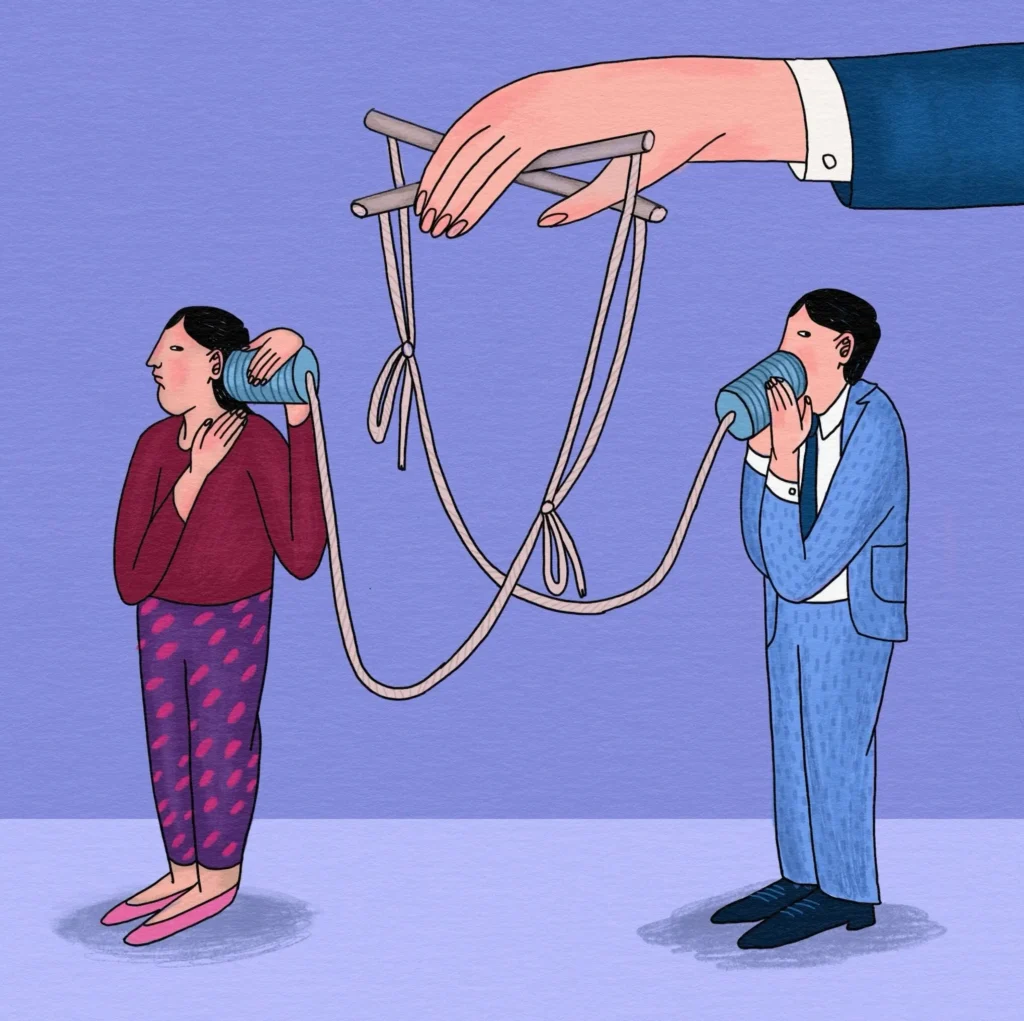
Today, however, a growing number of students are quietly bypassing those formative struggles. With AI tools mediating communication, decision-making, and even emotional expression, many young people are skipping the hardest part of growing up: learning how to relate to other humans without a buffer.
What looks like convenience may be reshaping an entire generation’s social development.
How AI Is Changing Student Social Life
AI tools are now deeply embedded in how students interact with the world. They help:
- Draft messages and emails
- Manage conflicts through “suggested responses”
- Rehearse difficult conversations
- Avoid face-to-face interactions
- Filter emotional expression
Instead of practicing social skills in real time, students increasingly outsource emotional labor to machines.
Why This Feels Helpful—but May Be Harmful
For students, AI offers relief from anxiety:
- No awkward pauses
- No fear of saying the wrong thing
- No visible rejection
- No emotional risk
But growth requires friction.
Psychologists and educators warn that avoiding discomfort doesn’t remove it—it delays it, often making future challenges harder to face.
The Skills Students Aren’t Practicing Anymore
When AI smooths every interaction, students miss opportunities to develop:
Emotional Regulation
Learning how to manage frustration, embarrassment, and disappointment.
Conflict Resolution
Navigating disagreements without scripts or intermediaries.
Empathy
Reading tone, body language, and emotional nuance in real people.
Confidence
Building self-trust through trial, error, and recovery.
Accountability
Owning words and actions without blaming an algorithm.
These skills are not optional—they’re foundational for adulthood.
Why This Is Different From Past Technology Shifts
Social media changed where young people interacted.
AI changes how they interact.
Unlike texting or social platforms, AI:
- Actively shapes responses
- Filters emotional expression
- Optimizes for comfort over growth
- Reduces exposure to real-time feedback
This makes AI not just a tool—but a social intermediary.
What the Original Debate Often Overlooks
Avoidance Feels Like Progress
Students may feel more confident online while becoming less capable offline.
Social Skills Are Learned, Not Innate
Without practice, they weaken—just like muscles.
Delayed Adulthood Has Consequences
Employers already report gaps in communication, initiative, and resilience.
Mental Health Can Suffer
Avoidance increases anxiety over time rather than resolving it.

The Role of Schools and Parents
Schools and families face a difficult balance.
Helpful approaches include:
- Encouraging face-to-face discussion and debate
- Limiting AI use for personal communication
- Teaching emotional literacy explicitly
- Creating spaces for unstructured social interaction
- Modeling healthy discomfort and recovery
Banning technology outright rarely works. Guided use does.
Where AI Can Help—If Used Carefully
AI isn’t inherently harmful to social development.
Used responsibly, it can:
- Help students reflect on interactions after they happen
- Support neurodivergent learners
- Offer coaching rather than replacement
- Teach communication frameworks, not scripts
The key difference is whether AI supports growth—or substitutes for it.
Why This Matters Beyond School
Social skills shape:
- Careers
- Relationships
- Leadership
- Civic engagement
- Mental health
A generation uncomfortable with conflict and human unpredictability may struggle in workplaces, families, and democratic institutions.
Technology that removes friction from growing up risks producing adults unprepared for life’s unavoidable challenges.
What Healthy Growth Still Requires
No app can replace:
- Rejection
- Awkwardness
- Disagreement
- Boredom
- Emotional risk
These experiences are not bugs in development.
They are the process.
Frequently Asked Questions
Is AI harming students’ social skills?
It can—if it replaces real interaction instead of supporting learning.
Are shy or anxious students helped or harmed?
Short-term comfort may increase, but long-term resilience can suffer.
Should schools ban AI for communication?
Not necessarily. Boundaries and intentional use matter more than bans.
Is this just another moral panic about technology?
No. AI actively shapes behavior, not just access or attention.
Can students relearn these skills later?
Yes—but it becomes harder without early practice.
What’s the biggest risk?
Raising a generation that avoids discomfort instead of learning how to handle it.

The Bottom Line
AI makes life smoother—but growing up isn’t supposed to be smooth.
Students need struggle, awkwardness, and emotional risk to become capable adults. When technology removes those experiences, it doesn’t protect young people—it postpones their development.
The challenge ahead isn’t choosing between AI and humanity.
It’s ensuring that, in making life easier, we don’t make growing up impossible.
Sources The New York Times

