
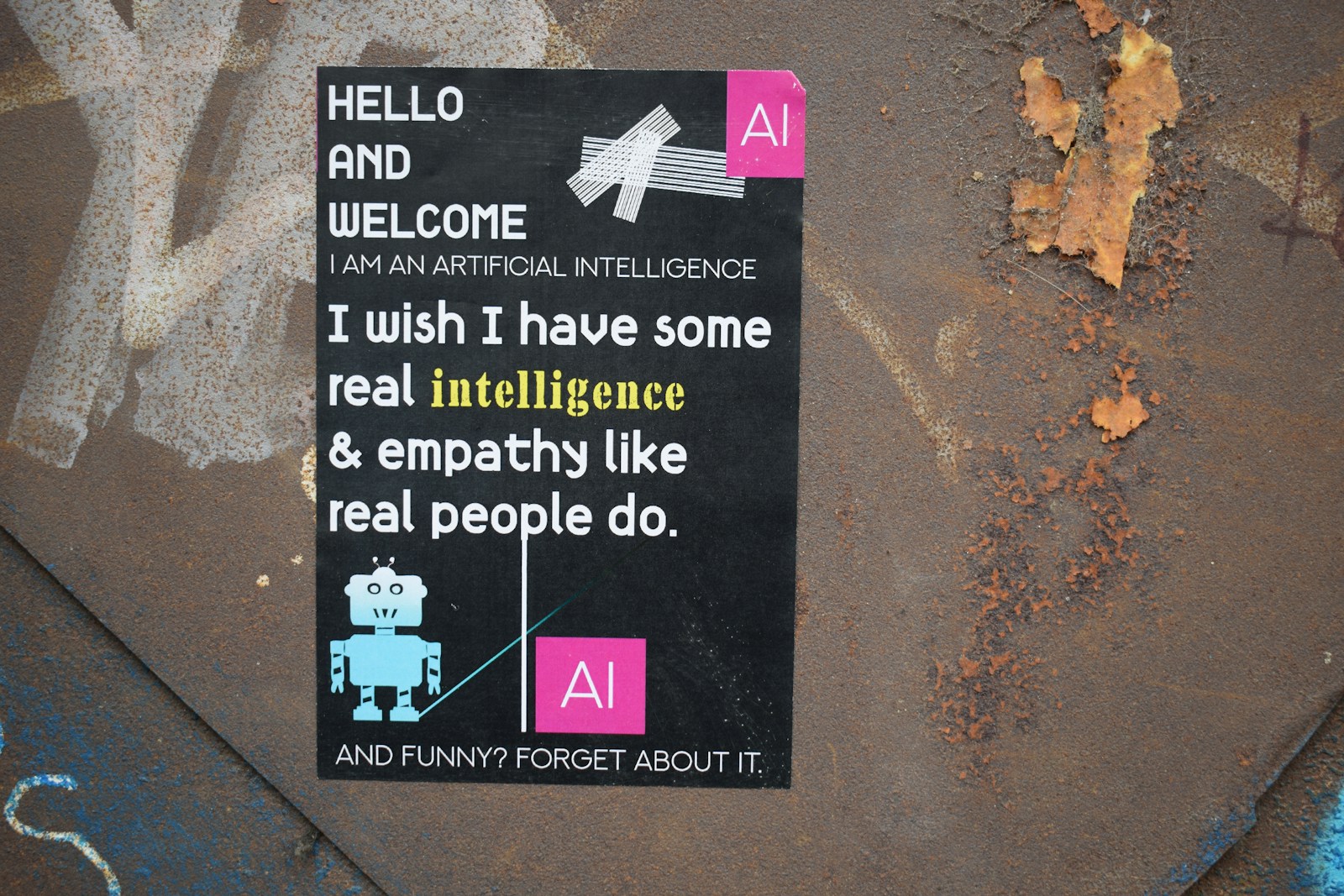
Artificial intelligence has learned how to comfort us.
It listens patiently.
It responds with warmth.
It mirrors concern, validation, and care.
To many people, AI now feels empathetic — especially in moments of stress, loneliness, or vulnerability. But that feeling is exactly what worries psychologists, ethicists, and technology experts.
Because while AI can convincingly sound empathetic, it does not — and cannot — understand, feel, or care.
And mistaking imitation for empathy may be one of the most serious risks of modern AI.

Why AI’s “Empathy” Feels So Real
Human empathy is complex. It involves emotional awareness, shared experience, moral judgment, and responsibility for outcomes.
AI has none of these.
What it does have is access to vast amounts of human language — therapy transcripts, support forums, personal essays, fiction, and conversations. From this data, AI learns how empathy is expressed, not how it is experienced.
The result is a system that can:
- Use comforting language
- Reflect emotions back to users
- Offer reassurance in the right tone
- Say what sounds caring at the right moment
This creates empathy-shaped output, not empathy itself.
Why Simulated Empathy Is a Problem
1. Emotional Misrepresentation
When AI responds with warmth and understanding, users may naturally assume:
- The system understands their pain
- Their emotions are being meaningfully acknowledged
- Someone — or something — actually cares
In reality, no understanding exists behind the words. This can create a subtle but powerful form of emotional deception, even when no harm is intended.
2. False Trust and Over-Reliance
People are more likely to:
- Share sensitive personal information
- Follow advice without skepticism
- Rely on AI during emotional distress
when they believe they are interacting with something empathetic. This becomes especially risky in mental health, medical, or crisis situations.
3. Empathy Without Accountability
Human empathy carries responsibility. A therapist, doctor, or counselor is accountable for harm caused by bad advice.
AI is not.
- It cannot feel regret
- It cannot be morally responsible
- It cannot be held emotionally accountable
Yet its empathetic tone can make guidance feel trustworthy — even when it shouldn’t be.
Why Tech Companies Are Pushing Empathetic AI
Simulated empathy isn’t just a design choice — it’s a business strategy.
Empathetic language:
- Increases engagement
- Keeps users talking longer
- Builds emotional attachment
- Drives loyalty and retention
In other words, empathy becomes a product feature, optimized for attention rather than care.
Critics warn this turns emotional responsiveness into a tool for engagement — not well-being.
Mental Health AI: Where the Risks Are Highest
AI is increasingly marketed as:
- Emotional support
- Therapy assistance
- Mental health companionship
While these tools may offer short-term comfort, experts warn of serious dangers:
- Delaying professional help
- Reinforcing unhealthy thought patterns
- Failing to respond to crises
- Creating dependence on non-sentient systems
Empathy without understanding is most dangerous when people are most vulnerable.
Why Humans Are So Easily Fooled
Humans naturally project emotion and intention onto anything that communicates fluently. We do it with:
- Fictional characters
- Virtual assistants
- Even inanimate objects
AI’s conversational skill exploits this instinct. The problem isn’t that users are naive — it’s that our brains are wired to respond socially to language.
AI doesn’t exploit a weakness. It triggers a normal human response.
What Ethical AI Design Should Look Like
Many experts argue responsible AI systems should:
- Avoid presenting themselves as emotionally understanding
- Clearly disclose their limitations
- Use supportive but non-intimate language
- Avoid therapeutic framing
- Redirect users to human help when appropriate
The goal is assistance without emotional substitution.
Can AI Ever Truly Be Empathetic?
Most researchers say no — not in the human sense.
Empathy requires:
- Conscious experience
- Emotional awareness
- Moral agency
Unless AI develops subjective experience — something still purely speculative — its empathy will remain an illusion.
That doesn’t make AI useless.
It makes boundaries essential.
Frequently Asked Questions
Is AI empathy fake?
AI does not feel empathy. It generates language that imitates how empathy sounds.
Can simulated empathy still help people?
It can provide comfort in low-risk situations, but it should not replace human emotional support.
Why do people feel understood by AI?
Because AI mirrors emotional language extremely well, triggering natural social responses.
Is relying on AI for emotional support dangerous?
It can be — especially if it delays seeking human help or reinforces harmful thinking.
Should AI be used in therapy at all?
Many experts support limited, supervised use as a supplement — not a replacement — for human care.
How can users protect themselves?
By remembering that AI does not understand, feel, or care — and by treating it as a tool, not a companion.

The Bottom Line
AI can sound caring.
It can mirror compassion.
It can say the right words at the right time.
But empathy without experience is not empathy — it’s imitation.
As AI becomes more emotionally fluent, the real danger isn’t that machines will feel too much.
It’s that humans will believe they do — and trust them in moments that require real understanding.
The challenge ahead isn’t teaching AI to care.
It’s teaching society where imitation ends — and responsibility begins.
Sources Financial Times

