
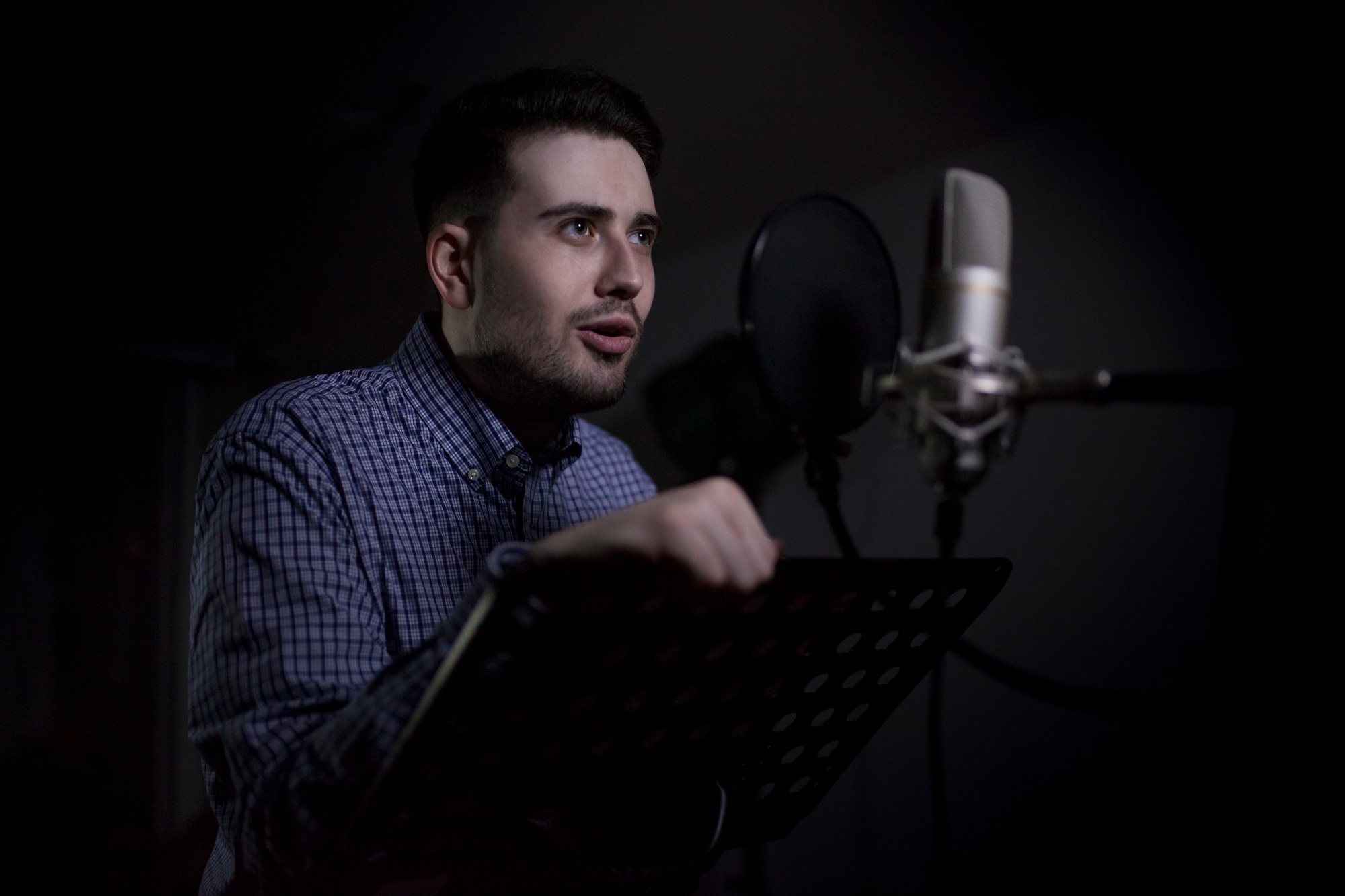
Imagine discovering your voice is speaking in ads or narrating videos online—and you never gave permission. That’s the reality for two professional voice actors whose legal battle is now setting a powerful precedent in the age of artificial intelligence.
In a landmark ruling, a U.S. federal judge has allowed a lawsuit against AI voice platform Lovo Inc. to move forward, signaling a pivotal moment for digital creators fighting to protect their most personal asset: their voice.

🎙️ The Core of the Case
Actors Paul Skye Lehrman and Linnea Sage say they were hired for small-scale recordings, only to later discover their voices had been cloned and repackaged as “Kyle Snow” and “Sally Coleman” on an AI platform—without consent, compensation, or credit.
- Lehrman believed his voice would be used in a private research setting.
- Sage recorded what she thought were demo scripts.
- Neither consented to having their voices cloned and sold through an AI tool.
Now, they’re seeking justice not just for themselves—but for all creators exploited by AI misuse.
⚖️ What the Judge Said
The court dismissed several federal copyright and trademark claims, but ruled that:
✅ The actors can pursue claims under New York’s right of publicity, which protects individuals from having their voice used for commercial gain without permission.
✅ They can also reframe their copyright infringement claim, focusing on whether their actual recordings were used to train the AI models.
This opens the door for more challenges to the unchecked use of human likenesses in AI training.
🚨 Why It Matters to You
This isn’t just about two voice actors—it’s about a growing issue in the digital economy:
- Your voice, your rights: As AI tools become more realistic, the line between inspiration and impersonation gets dangerously blurry.
- Creative control: Artists, influencers, podcasters, and everyday users risk losing control over their identities in the rush to train ever-smarter AI.
- Legal precedent: This case could shape how courts protect your voice and likeness in the age of digital replication.
🧠 What AI Companies Must Do Next
To avoid future lawsuits and reputational fallout, AI platforms must:
- Get clear, documented consent for all voice samples.
- Avoid deceptive contracts or vague terms.
- Be transparent about how data is used in training.
- Respect the commercial value of creators’ contributions.
This lawsuit shows that innovation without ethics can—and will—face legal consequences.
❓ Top 5 FAQs About the Case
Q: Can someone really own their voice?
Yes. Under many state laws, including New York’s, your voice is protected from commercial exploitation without consent.
Q: Does using a voice to train AI count as copyright infringement?
Potentially—if actual recordings are used without permission, it could violate copyright.
Q: Is this a one-off case or a trend?
It’s part of a growing trend. As AI-generated content surges, more creators are fighting for control of their digital likeness.
Q: What happens next in this case?
The plaintiffs are refining their claims. If the case advances, it could lead to discovery, more evidence gathering, and possibly a public trial.
Q: Should voice actors be worried?
They should be vigilant. It’s vital to read contracts carefully and advocate for stronger protections against AI misuse.
🚀 Final Word
This lawsuit isn’t just about technology—it’s about human dignity. As AI blurs the line between real and artificial, we must ensure creators keep control of what makes them unique. This courtroom battle could become a defining moment in the movement to reclaim identity in the AI era.
Stay tuned, because the voice you hear tomorrow might be yours—without your permission.

Sources BBC

