

The Promise and the Peril
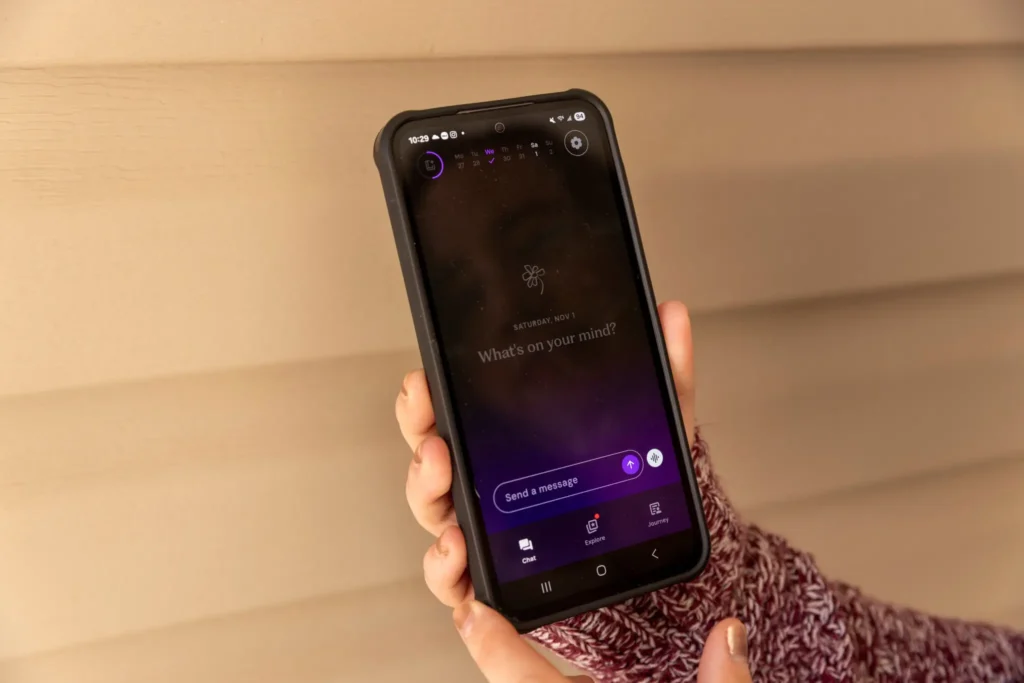
AI-powered therapy chatbots are emerging as a promising tool in mental health care, offering users on-demand emotional support, coping strategies, and conversational check-ins. As mental health needs surge globally—and traditional therapy remains costly, inaccessible, or stigmatized—these bots promise a 24/7, judgment-free companion.
But how safe are they?
While chatbot therapy apps like Woebot, Wysa, and others offer convenience and affordability, new findings suggest they may carry significant risks—especially for vulnerable users. Behind the sleek interfaces lie serious concerns around clinical effectiveness, crisis handling, emotional dependency, and data security.
What the Research Is Telling Us
Potential Benefits
- When properly designed, some chatbots can assist with mild to moderate mental health concerns like anxiety, stress, or mood tracking.
- They provide round-the-clock availability, can help users build self-awareness, and offer supportive prompts and behavioral exercises.
- In areas with therapist shortages, chatbots may act as a bridge—offering some support where none would otherwise be available.
Risks and Gaps
- Many chatbots are built on general-purpose large language models rather than clinically tested algorithms. This means they can make inaccurate or even harmful suggestions.
- Some fail to recognize warning signs of crises such as suicidal thoughts or psychosis, and don’t escalate appropriately.
- The absence of professional oversight can lead to emotional over-reliance on a bot that lacks human empathy or ethical accountability.
- Privacy concerns are growing. Sensitive user conversations may be stored, analyzed, or even used for training future models without clear consent.
- Regulation is lacking. Many of these apps are not vetted like medical devices and often avoid responsibility for the consequences of their outputs.
What You Might Not Have Read Yet
- Crisis Escalation Fails: Many bots don’t reliably flag high-risk users or connect them to real-time emergency help.
- Training Biases: Bots trained on generic data may miss nuance or reinforce cultural or gender-based assumptions.
- Marketing Overreach: Some apps use language implying professional equivalence—such as “mental health coach” or “therapeutic assistant”—without licensed backing.
- Limited Efficacy for Serious Disorders: While promising for mild challenges, these bots are untested or inadequate for treating bipolar disorder, schizophrenia, or trauma.
- AI “Empathy” Gaps: Chatbots can mimic supportive language but lack real understanding or non-verbal cues essential to therapy.
- Human vs. Machine Dependency: Users may substitute chatbot usage for seeking out a therapist, delaying needed care.
- Data Monetization: In some cases, users’ emotional disclosures may become part of commercial data pipelines.
Should You Use One? Practical Guidelines
- Don’t Use It as a Replacement: Use chatbots to complement—not replace—licensed therapy.
- Check Clinical Backing: Look for platforms designed with professional oversight and that publish their safety standards.
- Understand the Limits: Bots are not equipped to diagnose or handle complex emotional crises.
- Protect Your Data: Read the privacy policy. Understand how your data is stored, shared, or monetized.
- Set Boundaries: Monitor how often you use the app and how it’s impacting your mood and behavior.
- Seek Help When Needed: If you are in serious distress, reach out to real professionals or emergency services.
Frequently Asked Questions (FAQ)
Q1: Can an AI therapy chatbot replace a human therapist?
No. While chatbots can help with basic tasks like journaling, mindfulness reminders, and mood tracking, they are not a substitute for licensed mental health professionals—especially in complex or crisis situations.
Q2: Are they safe for managing mild symptoms?
They may offer limited value for managing low-level symptoms of stress or anxiety. However, users must stay aware of their limitations and avoid relying on them as a primary form of care.
Q3: What are the major risks?
Key concerns include inaccurate advice, poor crisis detection, over-reliance, data privacy issues, lack of accountability, and ineffective support for serious mental health conditions.
Q4: Are therapy chatbots regulated?
Few are subject to medical oversight or formal mental health regulation. Many operate in legal gray areas. Authorities are only beginning to introduce standards.
Q5: How do I choose a safe one?
Look for transparency, clear disclaimers, evidence of clinical input, a responsible privacy policy, and the ability to export or delete your data. Avoid apps that make bold claims about replacing therapy.
Q6: What should I do in a crisis?
Do not rely on a chatbot. Contact emergency services or a licensed mental health professional immediately. Chatbots are not trained to handle urgent care needs.
Q7: Can using one actually make my mental health worse?
In some cases, yes—particularly if it delays real care, reinforces harmful thoughts, or leads to emotional dependency. Monitor your emotional response and step away if usage feels unhelpful or harmful.

Final Thoughts
AI therapy chatbots are not inherently dangerous—but they are not inherently safe either. Like any tool, their value depends on how, when, and why you use them. They can serve as a companion in moments of stress, but they cannot—and should not—replace human care where it’s needed.
Approach them with curiosity, caution, and a clear sense of their limits. Because when it comes to mental health, what seems helpful on the surface must also be responsible underneath.
Sources The New York Times

