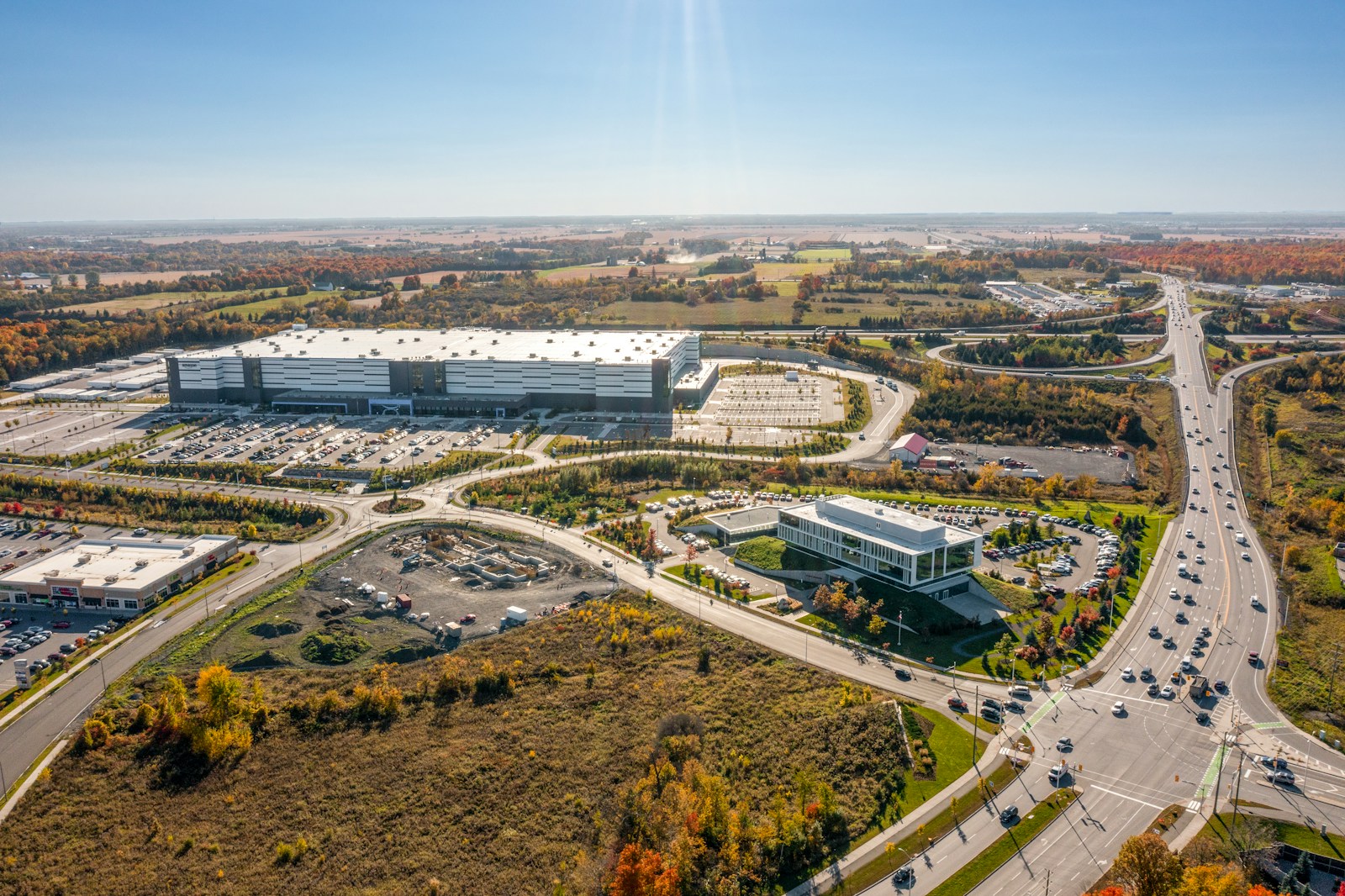
Large technology firms — think Microsoft, Alphabet Inc. (Google’s parent), Amazon.com, Inc., Meta Platforms — are not just incrementally increasing their spending on AI: they are super-charging it. The latest reports indicate that capital expenditures (capex) and AI-related investments are growing at historic rates.
According to one forecast, global generative-AI spending in 2025 is expected to reach about $644 billion, up roughly 76% from 2024. Meanwhile, aggregated capex for major U.S. tech firms may hit $300-400 billion in 2025 alone.
In short: the “AI arms race” is well under way — and it’s not just about software. It’s about infrastructure, data centres, chips, power, specialised hardware, R&D, talent — a full-scale industrial mobilisation.
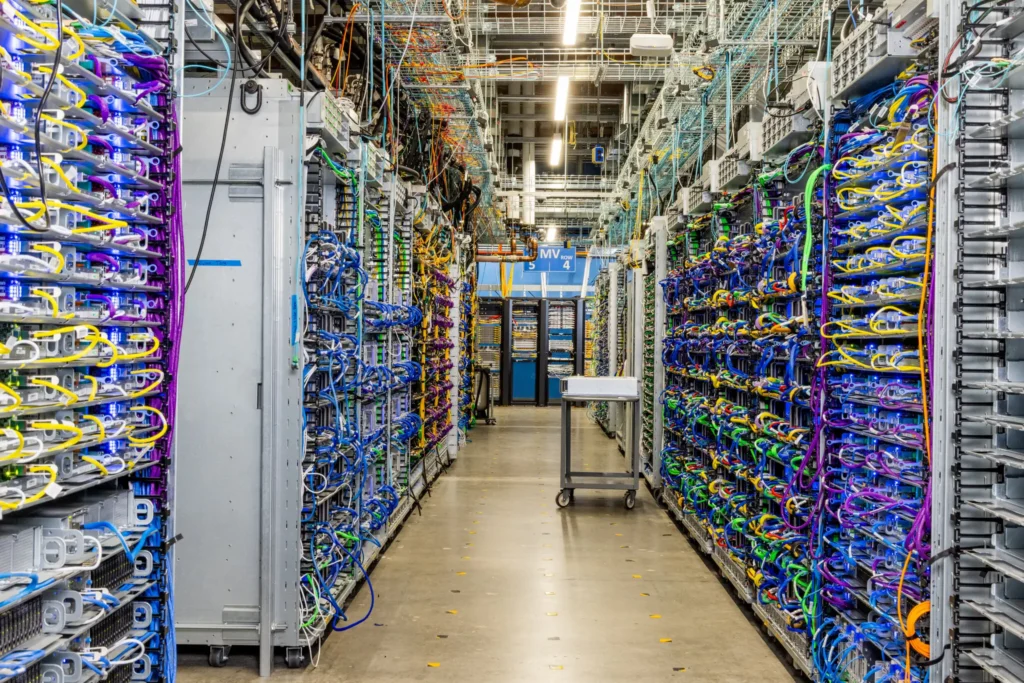
What the Spending Covers: Infrastructure, Models & Beyond
Here are the core areas absorbing the bulk of the spend:
1. Compute infrastructure & data centres
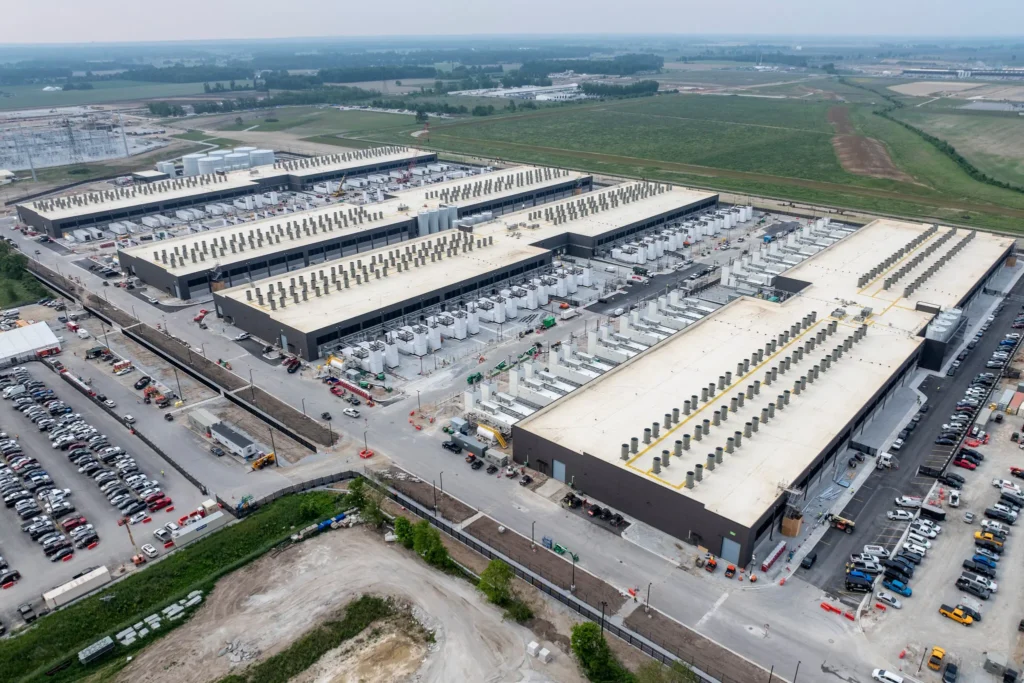
Training large models and operating AI services at scale requires enormous compute, networking, storage, and cooling. Building or expanding data-centres is extremely capital-intensive. One analysis estimates incremental capex of ~$90 billion over two years across top tech firms tied to AI infrastructure.
2. Chips, hardware and custom silicon
Hardware demand is soaring: GPUs, TPUs, specialised AI processors. Some firms are designing their own chips to reduce dependence on external suppliers and improve efficiency.
3. Foundational models & software
Beyond infrastructure, tech firms are investing in large language models (LLMs), multi-modal AI (text, image, video, audio), and integrating AI into core products (search, cloud, ads). Models and software development require high fixed cost, significant data, large teams and ongoing compute.
4. Product integration & services
Companies aren’t just building AI for research’s sake — they’re embedding it in consumer and enterprise offerings: cloud-AI services, AI-powered productivity tools, generative content, personal assistants, industry-specific AI. This means go-to-market investment, licensing, business development.
5. Talent, research & acquisitions
Hiring leading researchers, acquiring AI startups, funding lab infrastructure — all drive spending. The “war for AI talent” is real and expensive, especially when one wants to maintain leadership.
Why the Spending Is Accelerating — and Why It Matters
Strategic platform shift
Many tech firms view AI as the next fundamental computing platform, akin to the rise of the internet or mobile. If true, early infrastructure investment gives first-mover advantage.
Competitive pressure and fear of falling behind
With major players making aggressive commitments, others feel pressure to invest just to keep up. The cost of “being late” may be losing relevance, talent, platform control.
Customer and enterprise demand
Enterprise clients increasingly expect AI-enabled features, AI-powered cloud services and AI-driven productivity. This drives tech firms to scale quickly.
New revenue models & monetisation paths
AI opens new revenue streams: model-licensing, AI built into cloud services, AI assistants, generative tools — shifting some firms’ business models.
Infrastructure as moat
The sheer scale of investment acts as a barrier to entry for smaller competitors. Having global data-center footprints, hardware supply chains, and large model ecosystems can create “stickiness”.
Macro-economic ripple effects
It’s not just tech firms. The spending surge affects data-centre construction, chip manufacturing, power grids, cooling systems, real-estate for data-centres — with broader implications for jobs, investment flows and industry structure. For example, one report states nearly all U.S. growth in 2025 is tied to AI/data-centre investment.
What the Mainstream Coverage Misses (or Under-Emphasises)
Here are some deeper angles that deserve more attention:
- Environmental and sustainability impacts: Massive compute and data-centre builds raise energy consumption, water usage for cooling, carbon footprint. Academics warn of long-term sustainability risks.
- Return-on-investment timelines: While spending is sky-high, monetisation may lag. Infrastructure costs often precede revenue by years. Some firms may face margin compression or capital-intensity risk.
- Geographic and global supply-chain risks: Many of the parts — chips, raw materials, specialised facilities — are concentrated in certain regions. Disruptions (trade, supply-chain, geopolitical) pose risk.
- Labour, talent and organisational transformation: Investment isn’t just in hardware; it’s in people. Firms must manage workforce transitions, new roles, internal culture shifts.
- Competition beyond the usual suspects: While U.S. Big Tech dominates, Chinese firms, global cloud providers, specialised AI startups also drive spending. The competitive landscape is broader.
- Regulation and governance complexity: Spending on AI infrastructure comes with increased regulatory scrutiny: data sovereignty, model bias, privacy, export controls, oversight.
- Dependency and concentration risk: With only a few firms able to invest at this scale, the locus of AI infrastructure may become highly concentrated, raising systemic risk and antitrust concerns.
What This Means for Stakeholders
- For investors: High spending signals conviction, but investors must watch capital intensity, efficient use of infrastructure, time to revenue and margin impact.
- For competitors and newcomers: The bar to entry is rising. Companies without massive scale, supply-chain integration, global infrastructure may struggle to compete.
- For enterprises and customers: More AI-powered offerings will emerge; firms can expect richer services, but also longer pricing tails and vendor lock-in risks.
- For workforce and society: Infrastructure build-out may create jobs in data centres, hardware manufacturing, AI operations — but transformation brings workforce disruption, new roles and skills gap.
- For policy-makers and regulators: The scale and speed of spending warrant oversight. Questions around environmental impact, market concentration, data governance, and equitable access become urgent.
Frequently Asked Questions (FAQ)
Q: Just how much are tech companies spending on AI?
A: Estimates vary, but global generative AI spending is forecast at around $644 billion in 2025 (up ~76% y/y). For major U.S. tech firms, combined AI/infrastructure capex may reach $300-400 billion in 2025.
Q: Why does it cost so much?
Building AI at scale means: massive compute (GPUs/TPUs), large data-centres, power/cooling, storage, networks, specialised chips, R&D, talent. Each component is expensive; scaling multiplies cost.
Q: When will the spending pay off?
That depends on the firm, the business model and the use-case. Some revenue may start flowing from integrated AI services sooner (1-2 yrs), but full ROI on infrastructure might take 3-5 yrs or more.
Q: Is this just about the U.S. and Big Tech?
No. While U.S. tech giants dominate, spending is global. Chinese firms and non-U.S. cloud/AI providers are increasing their stakes. Some forecasts show non-Big-Tech firms and regions entering the spend wave.
Q: What risks come with this scale of investment?
Risks include: under-utilised infrastructure (if demand lags), margin pressure, environmental/sustainability backlash, supply-chain or chip bottlenecks, regulatory actions, and competitive disruption from newer entrants.
Q: How does this affect other industries and the economy?
It changes foundational infrastructure: data-centres, supply-chain, real-estate, power grids, manufacturing. Some economists note that a large portion of U.S. growth in 2025 is tied to this AI/digital infrastructure build-out.
In Summary
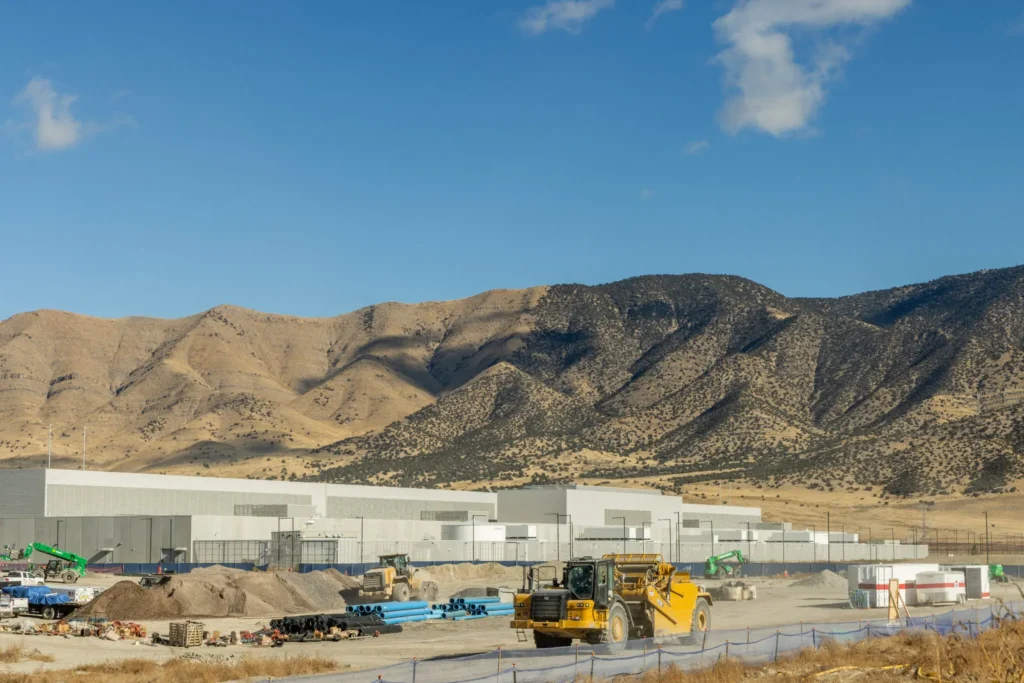
The acceleration of AI spending by tech giants is more than a headline—it’s a structural shift. These firms are not just purchasing more software—they’re building the physical, data, compute and organisational backbone of the next era of computing.
While the scale and speed are remarkable, the story isn’t simply “bigger budgets.” It’s about strategy, infrastructure, monetisation, and transformation. The firms that invest wisely—with control over data, models, operations and value capture—stand to define the computing platform for years to come.
As this builds out, what will matter is how they spend: on productive assets, on scalable models, on integrated services—not just how much they spend.
Sources The New York Times