
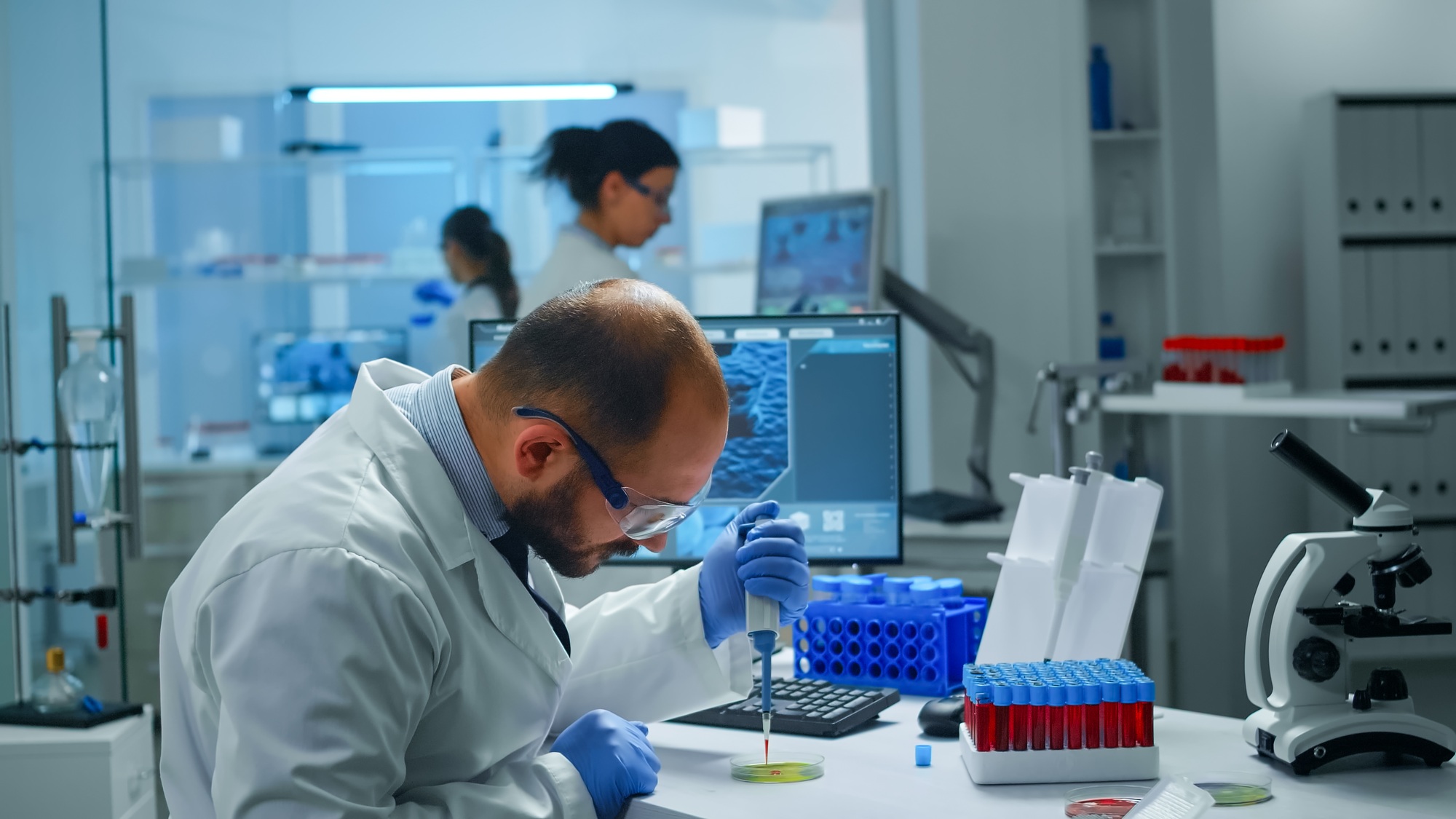
Scientists at MIT are blazing a trail in the fight against antibiotic-resistant bacteria. Using generative AI, their team has designed two promising new antibiotic candidates—one effective against gonorrhoea and another against MRSA—opening the door to a potential “second golden age” in antibiotic discovery.

What’s the Breakthrough?
- AI-Powered Design From Scratch
Instead of screening existing drugs, researchers used AI to generate entirely new molecular structures capable of killing pathogens like Neisseria gonorrhoeae (which causes gonorrhoea) and methicillin-resistant Staphylococcus aureus (MRSA)—bacteria long known for their ability to defy current antibiotics. - Fragment-Based and Free-Form Strategies
For gonorrhoea, the AI identified a chemical fragment dubbed F1 from millions of possibilities. It then built on that to create candidate compounds; one called NG1 proved effective in laboratory and mouse models. For MRSA, an unrestricted method generated 29 million molecules, filtered down to key candidates. One standout, DN1, cleared infections in infected mice.
How Do These Antibiotics Work?
Both NG1 and DN1 appear to compromise the bacterial cell membranes, causing fatal disruptions—without harming human cells. This novel mechanism makes them harder for microbes to develop resistance against.
To reduce risk, the team deliberately designed compounds structurally distinct from existing antibiotics, minimizing the chance that bacteria already have resistance traits.
Why AI Makes a Difference
- Expands Chemical Discovery
Traditional drug discovery often runs into predictable patterns. AI allows search across vast, previously uncharted chemical spaces. - Transparency and Target Insight
The models reveal which molecular features contribute to antibiotic activity. This transparency aids scientists in understanding—and improving—design strategies. - Speed and Efficiency
Generating and testing millions of candidates in silico (via computer models) drastically shortens the early stages of drug discovery.
What’s Next?
Researchers have shared these findings with Phare Bio, a nonprofit focusing on antibiotic development. The MIT team—and their collaborators—plan to refine these molecules and tackle other dangerous pathogens, like tuberculosis and Pseudomonas aeruginosa. Clinical trials remain a few years away, but these compounds are among the most promising candidates in decades.
Frequently Asked Questions (FAQs)
| Q | A |
|---|---|
| What’s the news? | MIT scientists used AI to design two novel antibiotics—NG1 and DN1—that target gonorrhoea and MRSA effectively in lab and mouse tests. |
| How novel are these drugs? | Both are structurally unlike existing antibiotics and act on bacterial cell membranes, offering a fresh mechanism to fight resistance. |
| Why use AI in antibiotic discovery? | AI can explore vast chemical combinations, flag antimicrobial activity, and highlight structural insights faster than traditional methods. |
| What was the process? | Generative models created millions of candidates, filtered them for safety and novelty, then synthesized and tested the most promising in the lab and mice. |
| When will these reach patients? | It will take several more years—through refinement and clinical trials—before human use is possible. |
| Could this be a new era in antibiotics? | Many call it a potential “second golden age” in antibiotic discovery, offering hope against rising resistance. |
Bottom Line
AI is not just speeding up drug discovery—it’s transforming what’s possible. By designing brand-new antibiotics that target critical superbugs, this breakthrough offers real hope in the global fight against antibiotic resistance.

Sources BBC

