Artificial intelligence is rapidly transforming the modern classroom, forcing professors, students and universities to rethink what learning means in an era where machines can write essays, solve complex problems and generate research summaries in seconds.
Just a few years ago, academic integrity debates focused primarily on plagiarism and online resources. Today, generative AI tools such as ChatGPT and similar systems have introduced a new challenge: when students can instantly produce high-quality answers, what role should traditional assignments play in education?
Across universities worldwide, educators are grappling with a fundamental question: How should teaching evolve when artificial intelligence can perform many of the tasks students once struggled to learn?
The answer may reshape higher education itself.

The Sudden Arrival of AI in Education
Generative AI tools became widely accessible to students almost overnight.
Within months of their release, many students began using AI systems for tasks such as:
- summarizing lecture notes
- generating essay outlines
- solving coding problems
- translating academic texts
- explaining complex theories
In some cases, students used AI to complete entire assignments.
Professors quickly realized that traditional homework and essays were becoming difficult to evaluate fairly.
What once demonstrated understanding could now be generated automatically.
The Academic Integrity Debate
The rise of AI has triggered intense debate across universities.
Some educators view AI tools as a threat to learning, arguing that students may rely on them instead of developing critical thinking and writing skills.
Concerns include:
- AI-generated essays submitted as original work
- reduced effort in completing assignments
- difficulty detecting AI assistance
- erosion of academic standards
Universities have experimented with detection tools designed to identify AI-generated text, but these systems often struggle with accuracy.
False positives and false negatives make enforcement challenging.
A New Approach: Teaching With AI Instead of Against It
Rather than banning AI entirely, many professors are adopting a different strategy: integrating AI into the learning process.
Some courses now encourage students to use AI as a tool for exploration and analysis.
For example, students may:
- compare AI-generated answers with human reasoning
- critique errors made by AI systems
- use AI for brainstorming before writing original work
- analyze bias in AI-generated content
This approach shifts the focus from simply producing answers to evaluating and improving them.
In other words, AI becomes part of the learning process rather than a shortcut around it.
Rethinking Assignments
The presence of AI is forcing educators to redesign assignments.
Traditional essays and take-home exams are increasingly being supplemented with tasks that require deeper engagement.
Examples include:
- oral examinations
- in-class writing exercises
- collaborative projects
- research presentations
- problem-solving workshops
These formats make it harder to rely solely on AI and emphasize real-time thinking and communication.
The Rise of AI Literacy
Another emerging priority is AI literacy—teaching students how AI systems work and how to use them responsibly.
Understanding AI includes topics such as:
- how machine learning models are trained
- the limitations of AI-generated information
- algorithmic bias and ethical concerns
- responsible data usage
In a world where AI will shape many industries, these skills may become as essential as digital literacy once was.
The Student Perspective
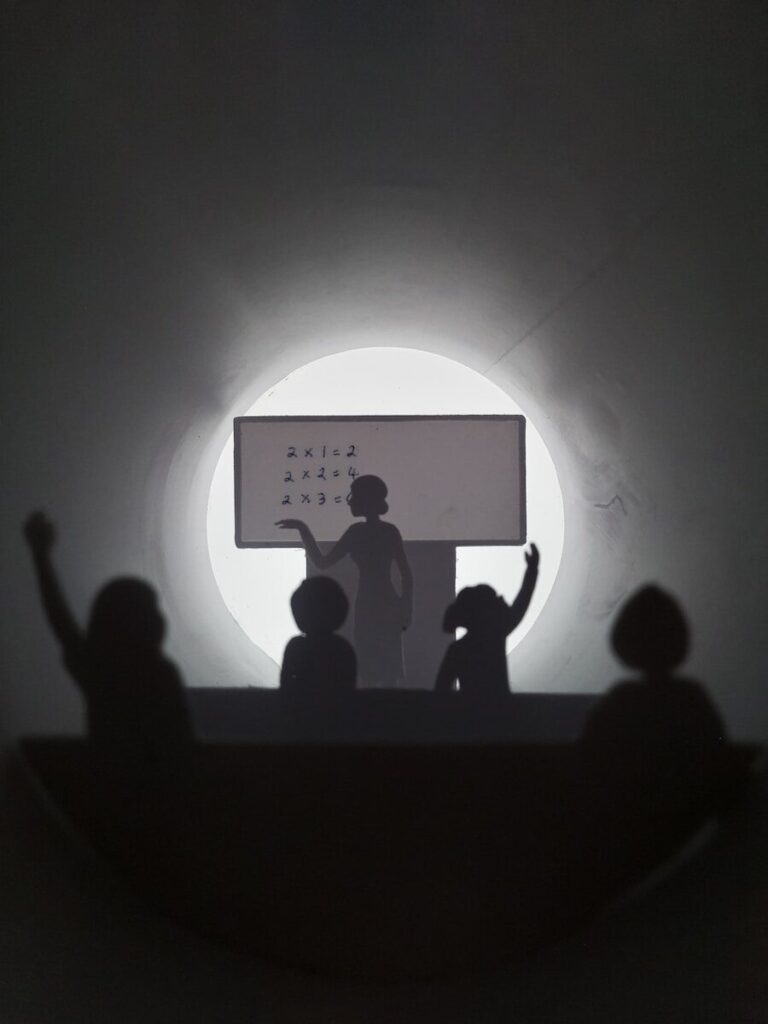
Students themselves have mixed views about AI in education.
Some see AI as a powerful learning assistant.
For example, AI can:
- explain difficult concepts in simpler language
- provide instant feedback on ideas
- help students brainstorm creative approaches
Others worry that excessive reliance on AI may weaken important skills such as writing, analysis and independent thinking.
Many students are still figuring out where the line lies between helpful assistance and academic misconduct.
Professors Face New Challenges
Faculty members must also adapt.
Teaching strategies developed over decades may no longer work in the same way.
Professors must now consider questions such as:
- How should AI use be disclosed in assignments?
- Should AI-generated work be allowed or restricted?
- How can instructors design assessments that measure genuine understanding?
These questions require new policies and ongoing experimentation.
Universities Are Developing AI Policies
Many universities are beginning to develop official guidelines regarding AI usage.
Policies often include rules such as:
- requiring students to disclose AI assistance
- limiting AI use in certain assignments
- encouraging responsible experimentation
However, these policies are still evolving as educators gain more experience with the technology.
Higher education institutions are effectively learning alongside their students.
The Future of Learning
Artificial intelligence is unlikely to disappear from education.
Instead, its role will likely expand.
Future classrooms may include:
- AI tutoring systems that personalize learning
- automated feedback on student work
- virtual teaching assistants
- adaptive learning platforms that adjust content to student progress
These tools could make education more accessible and personalized.
However, they also raise important questions about how much learning should be mediated by machines.
Frequently Asked Questions (FAQ)
Q: Are universities banning AI tools?
Most universities are not banning AI entirely. Instead, they are developing guidelines for responsible use.
Q: Can AI replace traditional studying?
AI can assist learning but cannot fully replace critical thinking, creativity and deep understanding.
Q: How are professors detecting AI-generated work?
Some institutions use AI detection tools, but these systems are not always reliable.
Q: What is AI literacy?
AI literacy involves understanding how AI works, its limitations and how to use it responsibly.
Q: Could AI improve education?
Yes. AI has the potential to provide personalized tutoring and improve access to educational resources.
Q: Will exams change because of AI?
Many educators are redesigning assessments to focus on in-person work, presentations and collaborative problem-solving.
Q: Should students use AI for homework?
Policies vary by institution and course, but transparency and responsible use are generally encouraged.
Conclusion
Artificial intelligence is reshaping education in ways few expected.
Rather than simply threatening traditional learning, AI is forcing educators and students to reconsider what education should prioritize: memorization, critical thinking, creativity or collaboration.
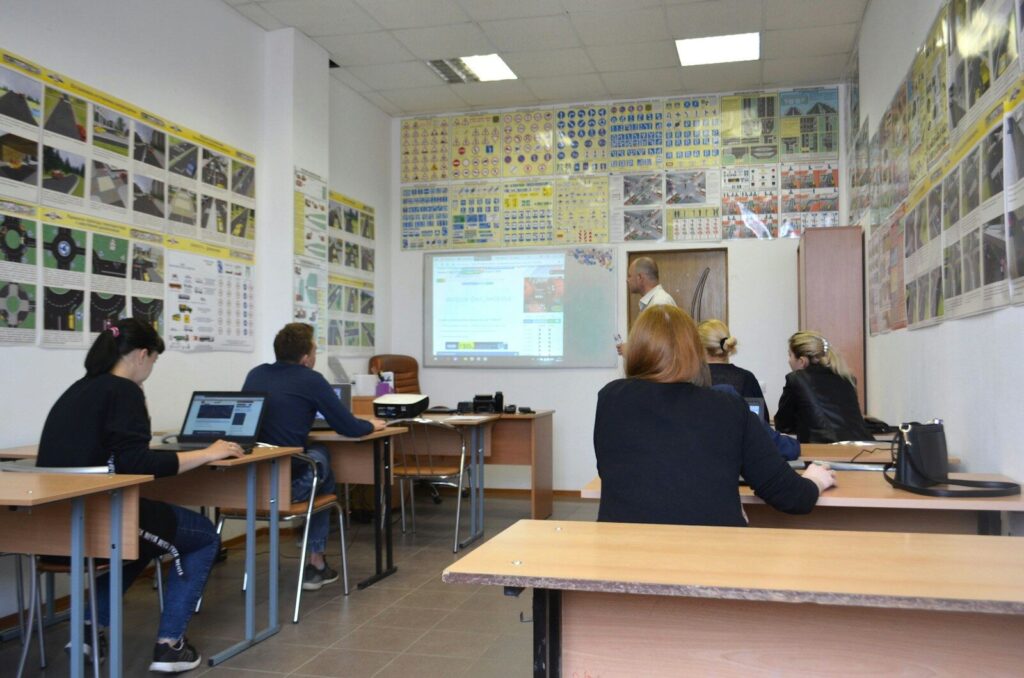
The classroom of the future will likely blend human teaching with intelligent digital tools.
The challenge for universities is ensuring that AI enhances learning rather than replacing the intellectual effort that education is meant to cultivate.
Sources The Guardian