
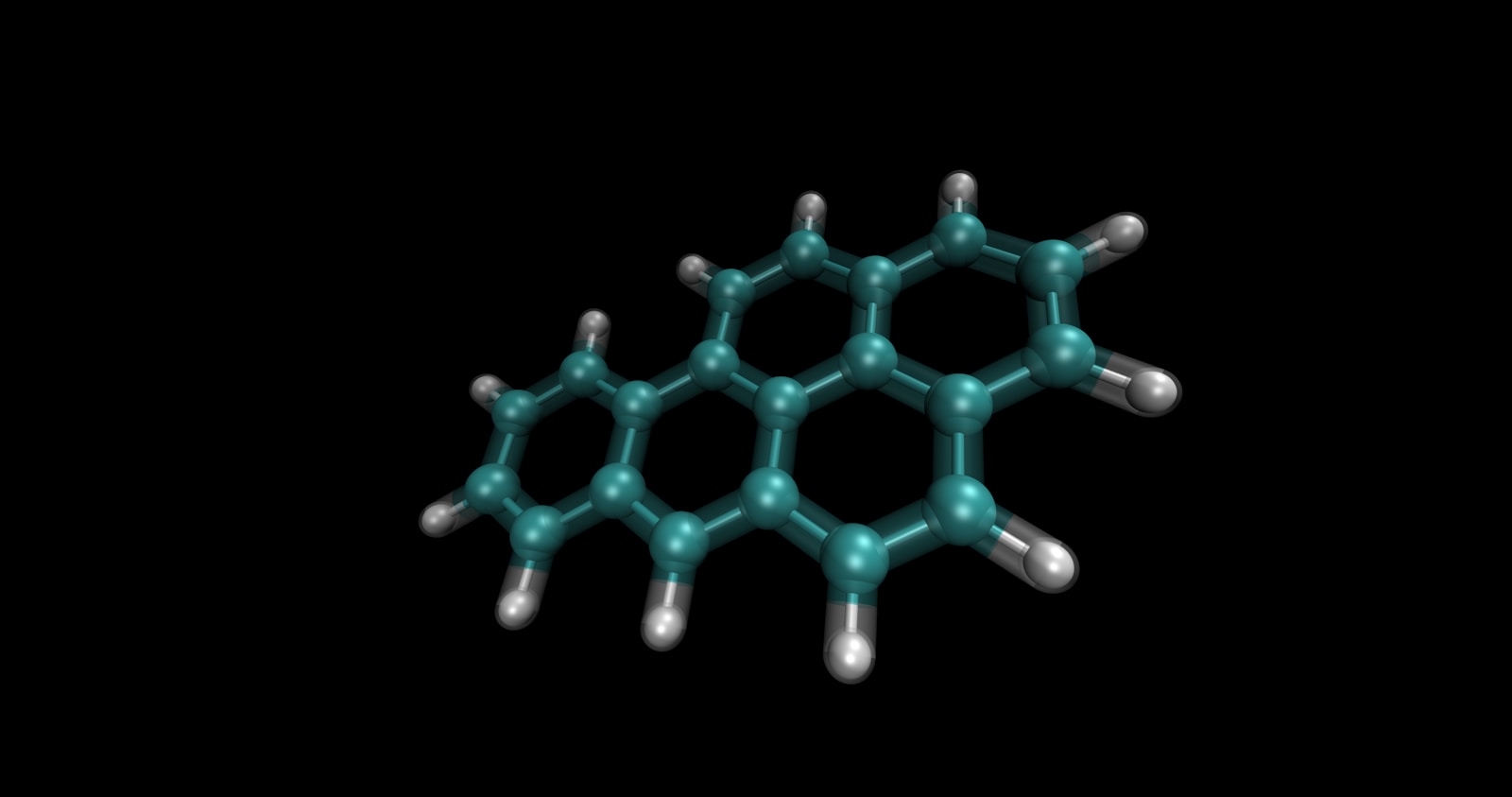
For all the hype, headlines, and billions poured into AI-powered drug discovery, one question remains: Why hasn’t it worked yet?
Despite a decade of bold promises and rapid advances in machine learning, not a single AI-designed drug has made it all the way to pharmacy shelves. And it’s not because AI is failing—it’s because biology is harder than anyone thought.
Here’s a deeper look at what’s slowing down AI in medicine—and why the next breakthrough might be just around the corner.

🧬 Biology Isn’t Built for Shortcuts
Designing a drug isn’t like designing a photo filter or chatbot. You’re not just optimizing code—you’re designing molecules that must survive the harsh environment of the human body and target disease without hurting anything else.
AI is great at finding patterns, but biology is filled with edge cases, exceptions, and unknowns. A compound that looks perfect on screen might behave totally differently in a real cell or organ.
⚠️ 4 Key Reasons AI Drug Discovery Is Lagging
1. Messy Data = Unreliable Models
Drug discovery depends on decades of messy, inconsistent, and siloed data. If the inputs are flawed, even the most powerful AI can’t make accurate predictions.
2. Trials Still Break Most Ideas
Around 90% of all drug candidates fail in clinical trials—AI or not. Human biology is unpredictable, and even the best simulations can’t replicate every variable in a real body.
3. Too Many “Safe Bets”
Startups chased “me-too” drugs—slight improvements on existing treatments—hoping for faster wins. But these haven’t delivered real breakthroughs or competitive edges.
4. The Gap Between Prediction and Proof
Generating a molecule is one thing. Proving it’s safe, effective, and scalable is another. AI can’t replace years of lab and clinical work—yet.
🚀 What’s Actually Working—and What Comes Next
While AI hasn’t delivered a miracle drug yet, major progress is happening behind the scenes:
- AlphaFold changed the game
By predicting protein structures with stunning accuracy, DeepMind’s AlphaFold gave scientists new tools to understand disease at the molecular level. - Generative AI is dreaming up novel compounds
AI can now design molecules humans would never think of—offering exciting leads for rare diseases and next-gen treatments. - AI is optimizing clinical trials
From smarter patient recruitment to adaptive trial design, AI is helping make drug development faster, cheaper, and more targeted. - Repurposing drugs just got smarter
AI is finding new uses for shelved compounds, shaving years off the traditional discovery timeline.
❓ Frequently Asked Questions
Why hasn’t AI produced a new blockbuster drug?
Because biology is vastly more complex than text or images. Predicting how molecules behave inside the body remains a huge challenge.
Is the hype over?
Not at all. The hype is evolving into realism. The tools are better than ever—but the process still takes time, money, and testing.
What about AlphaFold—wasn’t that a game-changer?
Yes, but it’s just one piece of the puzzle. AlphaFold helps with structure—but efficacy, metabolism, and toxicity still need to be tested elsewhere.
Can AI really make trials faster?
Yes. AI is already helping match the right patients to the right trials, and it’s improving how trials are designed and run.
Will AI ever replace scientists?
No—but it will supercharge them. Think of AI as a creative partner that helps narrow the field, but human insight is still essential.
🧪 Final Thought: Hope, Not Hype
AI might not be the miracle cure we hoped for—yet. But it’s laying the groundwork for a new era in medicine. Instead of overpromising, the industry is shifting toward smart, steady progress.
The next big drug may still be years away. But when it comes, don’t be surprised if AI played a major role—behind the scenes, where the real breakthroughs happen.

Sources Financial Times

