
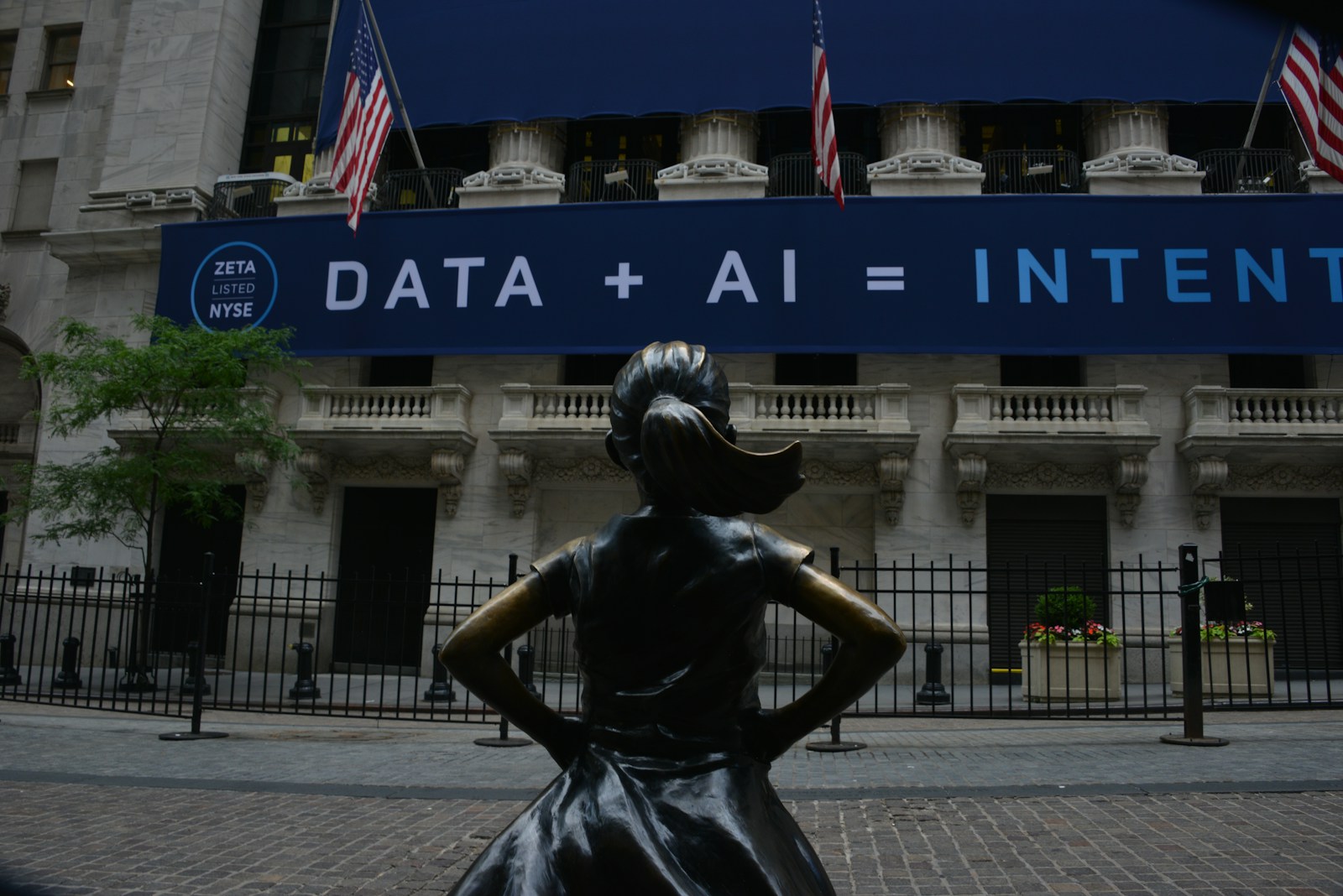
In one corner are generative‑AI services that need huge volumes of digital content — forum posts, articles, discussion threads — to train models and serve users. In the other corner are content‑hosting platforms (forums, news sites, publishers) that say their work is being used without compensation, control or even acknowledgment. The recent lawsuit by Reddit against Perplexity AI shines a spotlight on this standoff — but the implications stretch far beyond a single case.

What’s Happening
- Reddit alleges that Perplexity and associated data‑scraper companies bypassed its protections and harvested billions of pages of Reddit content (via Google search results) without a licensing deal, despite earlier promises to respect Reddit’s “digital walls”.
- Reddit contends that this behaviour undermines the content ecosystem: the forum invests in community‑moderation, server capacity, user rights and expects to monetise its traffic; AI firms, by contrast, extract value while shifting costs and undermining the traffic base.
- The lawsuit is not simply about copyright—but about data rights, user‑generated content, platform control and unfair enrichment. Reddit argues that even though it doesn’t hold copyright on each user‑post, the commercial use of its platform’s content without contract or compensation harms it.
- Legal experts note this case may reshape how online content platforms enforce their access conditions, how AI companies gather training data, and how value is shared (if at all) in the AI ecosystem.
What’s at Stake
1. Data Ownership and Platform Control
Platforms like Reddit host massive archives of community content. They set terms of service, impose technical controls (robots.txt, IP rate limits), and in some cases offer commercial licences. If AI services circumvent those controls, platforms argue they lose value, traffic and control.
2. Business Model & Incentives
AI firms argue that public web content is “free to use” under current norms, and that they transform it into new value (answers, summaries, predictions). Platforms contend that when that transformation uses their content en masse, commercialises it and reduces traffic back to them, the system no longer works.
3. The Internet Ecosystem
If this extraction becomes widespread and platforms no longer receive traffic or compensation, the incentive to host, moderate and maintain open discussion may erode. The concern: the very bedrock of the internet — free, accessible discussion — may be weakened.
4. Legal & Ethical Frontiers
Traditional copyright law wasn’t designed for AI training at industrial scale. So platforms are asserting contract, unfair competition, trespass to chattels and other claims as novel legal weapons. The outcomes will shape whether AI firms can freely scrape public content or must pay for access.
5. Innovation vs. Sustainability Trade‑off
There’s tension between rapid AI innovation (rely on as much data as possible) and the sustainability of the content economy (platforms must stay viable). The question: can a healthy internet and a healthy AI ecosystem coexist — and under what rules?
What the Original Reporting Covered — and What It Left Less Explored
Covered:
- Reddit’s lawsuit details: the claim of indirect scraping through Google search results, the bypassing of Reddit’s protections, and the fight over commercialising data.
- The big picture: content platforms warning that AI might “kill” the internet ecosystem.
- Some legal complication: Reddit doesn’t hold copyright over each user post, making the case legally novel.
Less Explored:
- Economic value quantification: How much revenue do platforms lose when traffic shifts to AI services? What is the scale of the economic extraction?
- Global/regional differences: How does this interplay look outside the U.S.? What are EU, Asia‑Pacific platforms doing?
- User‑rights dimension: Many users posting on platforms may not know their content is being used in AI models. What consent, transparency or remuneration exists for them?
- Technical arms race: How are platforms evolving their robot‑detection, anti‑scraping tools, APIs, or licensing models? What counter‑measures are in place?
- Future of licensing models: Will we see standard “data‑for‑AI” licences, “micropayments” for content hosts, or a new web‑economy where content platforms charge AI firms?
- Impacts on smaller platforms/communities: Big platforms like Reddit can bring lawsuits and enforce terms. Smaller forums may be more exposed, less able to police scraping—and therefore more at risk of disappearing.
- User/creator perspectives: What do end‑users and contributors think? Are they aware their posts may train commercial AI? Do they get any benefit?
- Regulatory responses: Are governments stepping in? How might new laws, data‑rights frameworks or antitrust action shape this landscape?
Why This Matters Now
- Acceleration of AI usage: As generative AI becomes mainstream (chatbots, summarizers, research tools), the demand for training data explodes.
- Pressure on online discussion platforms: If platforms cannot monetise or control their data, we may see fewer vibrant communities, or a shift toward pay‑walled discussion.
- Legal precedent: The outcome of Reddit’s lawsuit (and similar ones) will define how freely AI firms can mine the web — and whether content hosts have enforceable rights.
- Innovation environment: Too strict rules might slow AI progress; too lax might destroy the internet’s open model. Striking the balance is critical.
- Creator and contributor rights: Many people contribute to forums, comment threads, community discussions. How will their rights and expectations be recognised in this new economy?
FAQs — Most Common Questions About the Issue
Q1. Can AI companies freely use content from websites like Reddit without permission?
Not necessarily. While the content is publicly available, platforms often set technical controls and terms of service that prohibit commercial scraping. Courts are still determining how much scraping is permissible under fair‑use or contract law.
Q2. Why isn’t the lawsuit simply about copyright?
Because many platforms (like Reddit) do not own copyright for each user post—the user does. So Reddit relies on contractual claims (breach of terms, unfair competition, trespass) rather than direct copyright infringement.
Q3. What happens if a platform wins against an AI company?
It could force AI firms to negotiate licences with platforms, reduce reliance on uncontrolled scraping, pay for access, or restructure how training data is obtained — which could increase costs and reshape business models.
Q4. What happens if the AI company wins?
It may affirm that public web content is largely free for AI training (so long as it’s publicly accessible) and could discourage platforms from trying to monetise data‑access. That could reduce the value of hosting community content.
Q5. Does this affect ordinary internet users?
Yes — indirectly. If platforms reduce open discussion due to scraping/lack of monetisation, users may face fewer free forums, more paywalls, fewer vibrant communities. Also, user‑generated content may increasingly feed commercial AI with little transparency or benefit to the contributor.
Q6. How can platforms protect themselves?
They can implement: stronger technical controls (robots.txt, IP rate limits, CAPTCHAs), licensing programmes, clearer terms of use, APIs with paid access, active monitoring of scraping, and possibly legal action to enforce rights.
Q7. What should AI firms do to reduce risk?
They should seek transparent licensing or data agreements, respect platform terms of use, ensure that content deletion or removal is honoured (so models don’t keep training on removed content), document data‑source provenance, and negotiate compensation when appropriate.
Q8. Will this slow down AI innovation?
It might introduce more friction, cost and slower data‑acquisition processes. But some believe that a more controlled, ethical approach to data use could produce better long‑term models and more trustworthy AI.
Q9. Will most websites begin to charge AI firms for access?
That could become more common. Platforms may establish licencing models (subscription, pay‑per‑request, aggregator fees) as the value of their data becomes clearer. Whether widespread adoption occurs remains to be seen.
Q10. What should end‑users (those who post content) know?
Be aware that your comments, posts and discussions may be used for commercial AI training even if you weren’t aware. Review the terms of service of platforms, enable deletion or privacy options, and understand your rights (if any) over how your content is used.
Final Thoughts
The clash between AI companies and online platforms is more than just a lawsuit—it is a structural debate about who owns data, who controls it, who profits from it, and how the internet works in the AI age. The stakes are high: the outcome could reshape everything from free forums to AI business models.
For platforms, the warning is clear: If you host community content and don’t protect your data or monetise it effectively, someone else may build a business on it.
For AI firms: If you build your models on the free labour of others without oversight, you may face legal, ethical and reputational risks.
And for all of us: The internet we know—a vibrant, free, user‑driven place—may depend on how this battle resolves.

Sources The Washington Post

