Introduction
Measles, a highly contagious viral disease, has recently seen a worrying resurgence in Europe. This article delves into the reasons behind this outbreak, its impact on public health, and the crucial role of vaccinations in combating its spread.

What is Measles?
Measles is a viral infection known for its distinctive red rash and flu-like symptoms. It spreads rapidly through respiratory droplets, making unvaccinated populations particularly vulnerable.
Historical Context
Once a common childhood illness, measles saw a dramatic decline with the advent of effective vaccines. However, lapses in vaccination coverage can lead to outbreaks, as seen in recent times.
The Recent Surge in Europe
The European region has witnessed a significant spike in measles cases. Factors such as vaccination gaps and increased international travel might have contributed to this rise.
Vaccination: The First Line of Defense
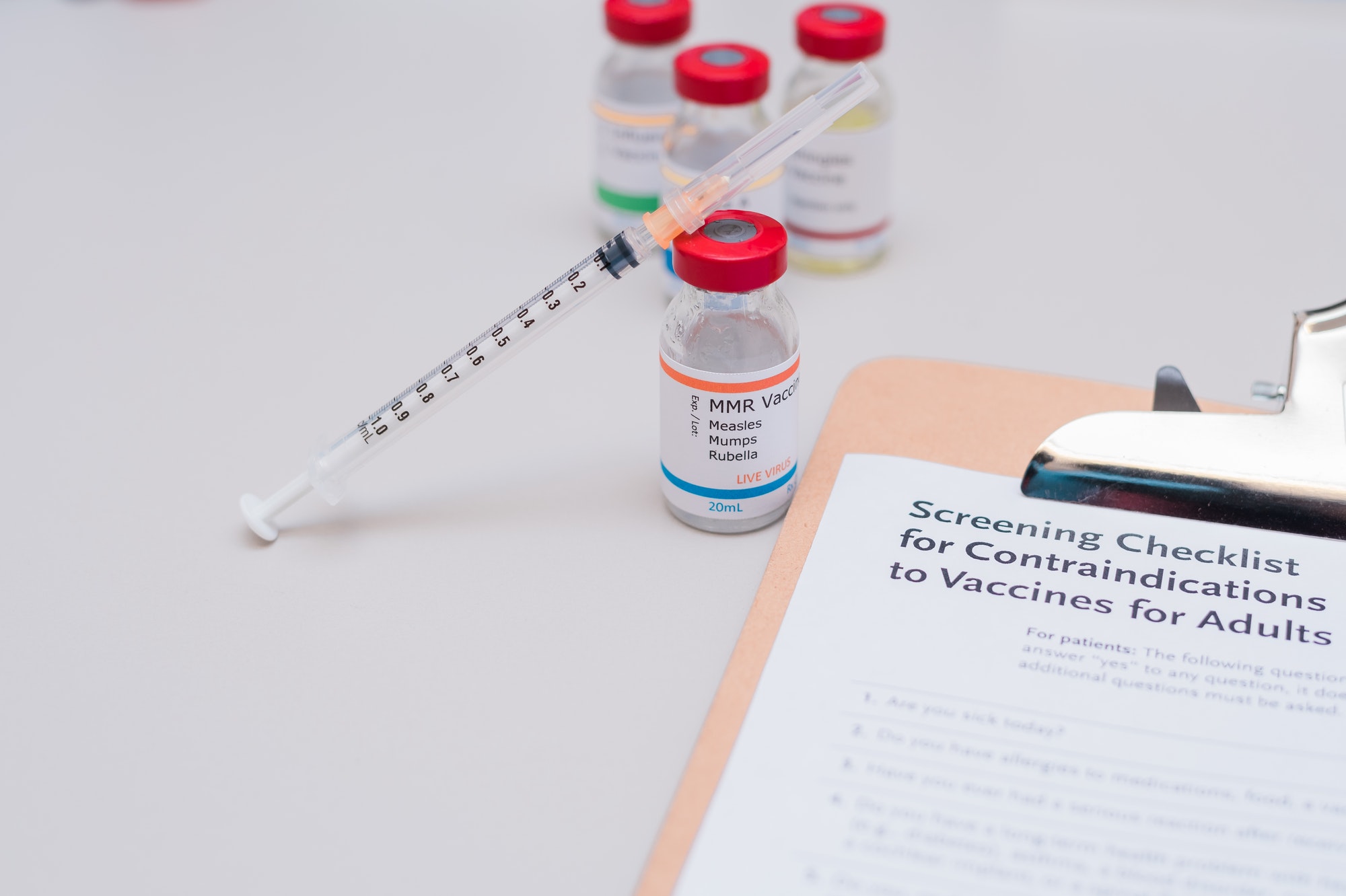
Vaccines have been the cornerstone in the fight against measles. They work by training the immune system to recognize and combat the virus effectively.
Challenges in Vaccination
Despite the proven efficacy of the measles vaccine, challenges like vaccine hesitancy and access issues in certain areas persist, hindering widespread immunization.

Public Health Measures
In addition to vaccination, measures like quarantining infected individuals and conducting public awareness campaigns are vital in managing measles outbreaks.
Impact on Public Health
Measles outbreaks strain healthcare systems, lead to school closures, and can cause serious complications, especially in young children and immunocompromised individuals.
Global Perspective
The issue of measles is not confined to Europe. It’s a global health challenge that requires coordinated international efforts to ensure widespread vaccination.
Preventive Strategies
Effective strategies include robust vaccination programs, community engagement, and governmental policy support to ensure high vaccination coverage.
The Role of Education
Educational initiatives play a critical role in dispelling myths about vaccines and encouraging public participation in vaccination programs.
Future Outlook
Ongoing research and development in vaccine technology and strategies to boost public trust in vaccines are crucial for a measles-free future.
Personal Responsibility
Individuals can contribute by staying informed, getting vaccinated, and encouraging others to do the same, thereby protecting themselves and their communities.
Conclusion
The resurgence of measles in Europe is a stark reminder of the importance of vaccination and public health vigilance. Collective efforts are required to combat this preventable disease effectively.

FAQs
- What are the symptoms of measles?
- Measles typically starts with a high fever, cough, runny nose, and red eyes, followed by a rash.
- How effective is the measles vaccine?
- The measles vaccine is highly effective and provides long-lasting protection.
- Can measles be serious?
- Yes, it can lead to severe complications, especially in young children and those with weakened immune systems.
- Why are measles outbreaks occurring in vaccinated populations?
- Outbreaks can occur due to gaps in herd immunity, often caused by under-vaccination in certain areas.
- How can I protect myself from measles?
- The best protection is vaccination. Also, practicing good hygiene and avoiding close contact with infected individuals can help.
Sources BBC