
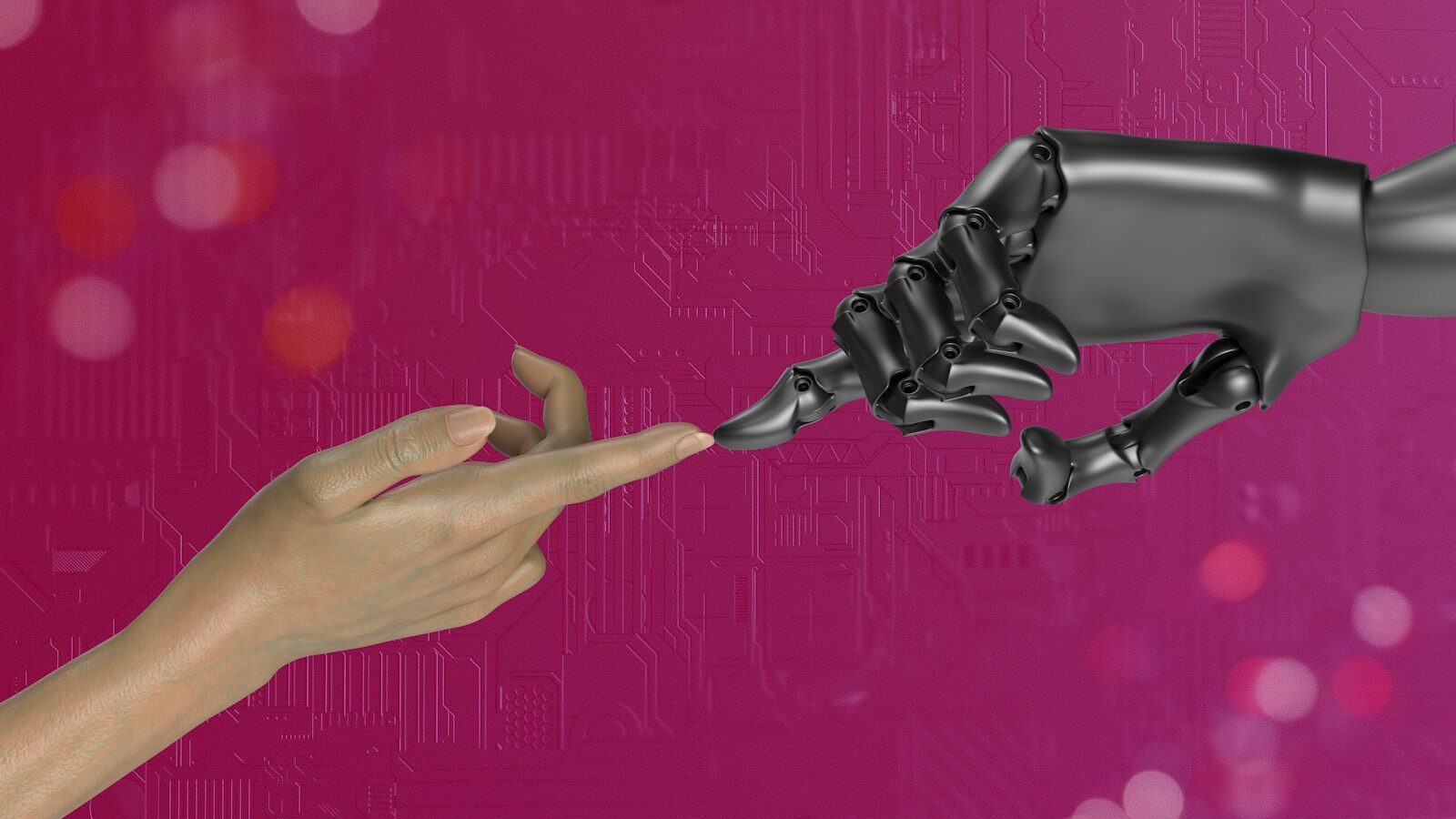
Artificial intelligence is marketed as autonomous, efficient, and increasingly humanlike. Yet in many real-world scenarios, AI systems still struggle with nuance, judgment, and edge cases. The result? A growing shadow practice where companies — and sometimes individuals — quietly “rent” humans to step in when AI falls short.
From content moderation and chatbot management to remote assistance and data labeling, humans are often working behind the curtain of supposedly automated systems.
This article explores the expanding phenomenon of human-in-the-loop AI, why it exists, how it operates, what ethical concerns it raises, and what it reveals about the true state of artificial intelligence.

What Does It Mean to “Rent a Human” for AI?
In practice, this can look like:
- Remote workers stepping in when chatbots fail
- Moderators reviewing AI-generated content
- Data labelers correcting model outputs
- Gig workers performing tasks AI cannot handle
- “Wizard of Oz” setups where humans simulate AI capabilities
In some cases, customers believe they are interacting solely with automated systems — when humans are partially involved.
Why AI Still Needs Human Backup
Despite impressive advances, AI systems struggle with:
- Context-dependent reasoning
- Ethical decision-making
- Rare or ambiguous scenarios
- Cultural sensitivity
- Real-time physical unpredictability
When errors carry risk — financial, legal, or reputational — companies insert humans as a safety net.
The Economics Behind the Practice
Hiring global gig workers can be cheaper than:
- Engineering fully reliable AI
- Accepting high failure rates
- Facing lawsuits or public backlash
In some regions, remote labor markets provide affordable, on-demand oversight.
The paradox is that AI automation often depends on invisible human labor.
Where This Is Happening Most Often
1. Customer Support Systems
When automated agents cannot resolve complex queries, humans quietly intervene.
2. Content Moderation
AI filters flag harmful material, but human reviewers make final calls — often under difficult psychological conditions.
3. AI Training and Fine-Tuning
Large language models rely heavily on:
- Human annotators
- Reinforcement learning feedback
- Quality control checks
Without this labor, models would degrade rapidly.
4. Creative and Academic Work
Some individuals hire humans to polish AI-generated drafts to avoid detection or improve quality.
Ethical Concerns
1. Transparency
If users believe they are interacting solely with AI, undisclosed human intervention raises questions of honesty.
2. Labor Exploitation
Many human-in-the-loop workers face:
- Low wages
- Limited job security
- Emotional strain
- Minimal recognition
Their labor underpins AI success yet remains largely invisible.
3. Accountability
When AI makes an error and a human partially intervened, responsibility can become blurred.

What This Reveals About AI Hype
The existence of rented human labor shows that:
- AI is powerful but not fully autonomous
- Automation narratives can exaggerate capability
- Human judgment remains central
Rather than replacing people, AI often restructures labor behind the scenes.
Is This Temporary?
Some argue human reliance will decline as models improve.
However:
- Edge cases will always exist
- Ethical oversight requires human values
- Complex social interaction is difficult to automate fully
Human-in-the-loop systems may remain permanent features of AI deployment.
The Broader Implications
Redefining Automation
True automation is rare. Most systems are hybrid — combining machine speed with human discretion.
Invisible Workforce Growth
AI’s rise is quietly expanding demand for:
- Annotators
- Moderators
- QA reviewers
- Prompt evaluators
These roles may increase even as other jobs decline.
Consumer Expectations
Users increasingly expect flawless AI experiences. Companies mask imperfections with human support to maintain trust.
Frequently Asked Questions
Is renting humans for AI deceptive?
It depends on disclosure. Lack of transparency can mislead users.
Why not just improve the AI?
Improvement is ongoing, but fully eliminating human oversight is expensive and technically difficult.
Are these workers fairly compensated?
Conditions vary widely. In some cases, pay is low and protections are limited.
Will AI eventually eliminate the need for human backup?
It may reduce dependence, but complex ethical and contextual judgments likely require human input indefinitely.
Does this mean AI is overhyped?
AI is powerful, but marketing often overstates autonomy. Hybrid systems are the reality.

Final Thoughts
The narrative of AI replacing humans is only half the story. In many cases, humans are still deeply embedded in the process — just less visibly.
The rise of rented human oversight doesn’t diminish AI’s capabilities. It clarifies them.
Artificial intelligence may be transforming industries, but for now — and perhaps for the foreseeable future — it still leans heavily on the very human intelligence it was supposed to surpass.
Behind the algorithm, someone is still watching.
Sources Futurism

