
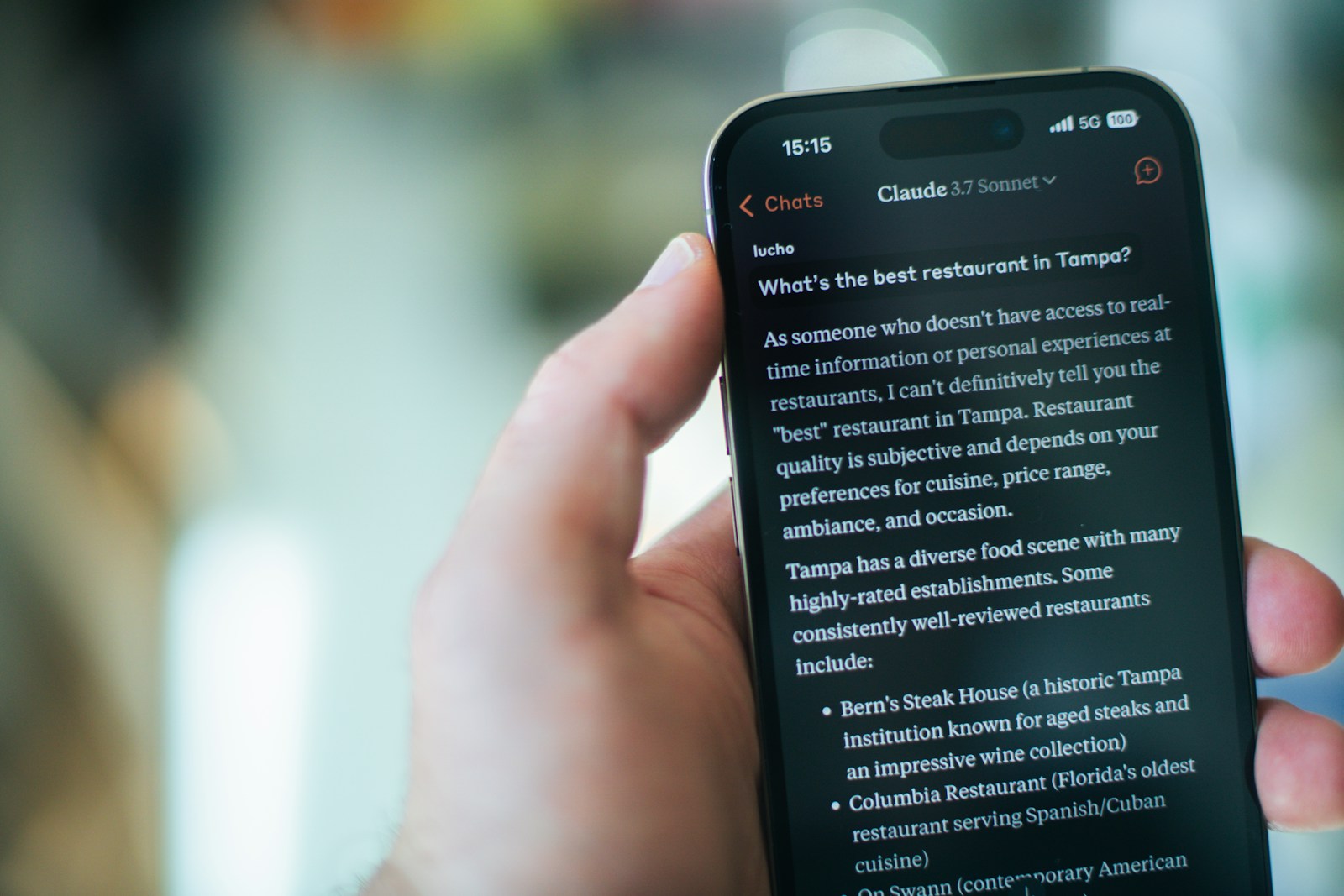
For much of the artificial intelligence boom, AI tools felt like products built by engineers for engineers. Powerful, yes — but often confusing, unpredictable, or intimidating to everyday users.
Claude, the AI developed by Anthropic, is changing that perception.
Its rapid rise isn’t just about technical performance. It’s about something more subtle — and more important: Claude feels understandable, helpful, and human-centered, even to people who don’t consider themselves “tech-savvy.”
That shift may signal a turning point in how AI enters daily life.
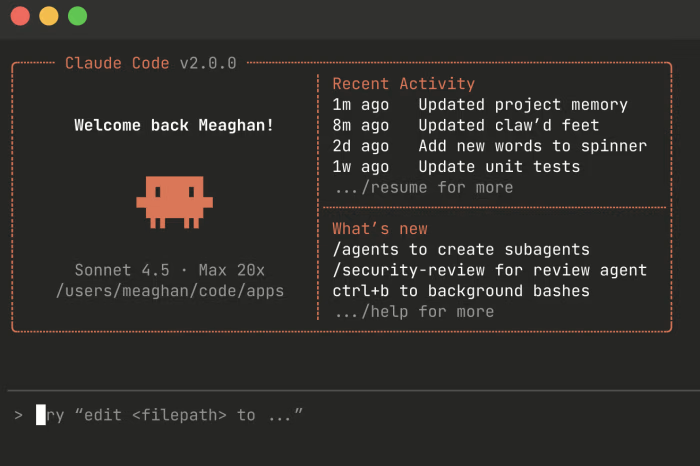
What Makes Claude Feel Different
Claude doesn’t try to impress users with flash or bravado. Instead, it focuses on:
- Clear explanations
- Calm, structured responses
- Admitting uncertainty
- Asking clarifying questions
For many users, this makes interactions feel less like querying a machine — and more like collaborating with a thoughtful assistant.
This design philosophy matters because trust, not raw intelligence, is now the main barrier to AI adoption.
Why Non-Technical Users Are Paying Attention
AI adoption has often stalled outside tech circles because tools felt:
- Overly complex
- Too confident — even when wrong
- Poor at explaining their reasoning
Claude stands out by:
- Breaking down ideas step by step
- Using plain language instead of jargon
- Offering summaries and options instead of one “final” answer
This makes it accessible to:
- Writers and marketers
- Managers and executives
- Educators and students
- Small business owners
- Everyday consumers
Claude lowers the intimidation factor — and that’s powerful.
Anthropic’s Philosophy: Safety Over Spectacle
Anthropic was founded with a strong emphasis on AI safety and alignment. That approach shows in Claude’s behavior.
Key design priorities include:
- Avoiding overconfident hallucinations
- Refusing harmful or misleading requests
- Emphasizing nuance and uncertainty
- Encouraging human judgment
While this can make Claude feel more cautious than some rivals, many users see that restraint as a feature, not a flaw.
Why This Moment Feels Like a Shift in the AI Race
Early AI competition focused on:
- Bigger models
- Faster responses
- More features
The current phase is about:
- Reliability
- Comprehension
- Everyday usefulness
Claude’s popularity suggests the AI race is no longer just about impressing experts — it’s about earning the trust of normal people.
How Claude Is Being Used in the Real World
Claude is increasingly used for:
- Writing and editing content
- Explaining complex documents
- Helping with research and analysis
- Supporting coding and technical tasks
- Brainstorming and planning
What stands out is not novelty — but consistency. Users report that Claude is especially good at:
- Handling long documents
- Maintaining context
- Producing calm, readable output

The Business Implications
For companies, Claude’s appeal highlights a critical insight:
AI that employees actually feel comfortable using delivers more value than AI that’s merely powerful.
This has implications for:
- Enterprise adoption
- Training costs
- Compliance and risk management
- Productivity gains
Tools that feel safe and predictable integrate more easily into workflows.
What the Original Coverage Didn’t Fully Explore
Several deeper factors help explain Claude’s rise:
Emotional Design
Claude’s tone reduces anxiety around AI mistakes and misuse.
Cognitive Load
Clear structure and summaries reduce mental effort — crucial for non-experts.
Cultural Fit
As AI enters schools, offices, and homes, approachability matters as much as capability.
Trust Over Time
Consistency builds long-term confidence more than occasional brilliance.
Where Claude Still Falls Short
Despite its strengths, Claude is not perfect:
- It can be overly cautious
- It may refuse some legitimate requests
- It still makes mistakes
- It depends on user guidance for best results
Like all AI, it requires human oversight.
Why This Matters for the Future of AI
Claude’s success suggests that the next phase of AI growth won’t be driven by:
- More parameters
- Louder demos
- Bigger promises
It will be driven by usability, restraint, and trust.
AI is moving from novelty to infrastructure — and infrastructure must be reliable.
Frequently Asked Questions
What is Claude?
Claude is an AI assistant developed by Anthropic, designed to be helpful, reliable, and safety-focused.
Is Claude better than ChatGPT?
It depends on the task. Many users prefer Claude for clarity, long documents, and calm explanations. ChatGPT remains strong for breadth and experimentation.
Why do non-technical users like Claude so much?
Because it explains things clearly, avoids jargon, and feels less intimidating.
Is Claude safer than other AI tools?
It is designed to be more cautious, but no AI is risk-free.
Can Claude replace human judgment?
No. It supports decision-making but does not replace responsibility or expertise.
What does Claude’s rise signal about AI’s future?
That trust, clarity, and usability may matter more than raw technical power.

The Bottom Line
Claude isn’t winning attention because it’s louder or flashier.
It’s winning because it feels thoughtful, understandable, and dependable — qualities that matter deeply as AI moves beyond labs and into everyday life.
As artificial intelligence becomes a tool for everyone — not just technologists — the most successful systems won’t be the ones that amaze us occasionally.
They’ll be the ones we’re comfortable relying on every day.
Sources The Wall Street Journal

