
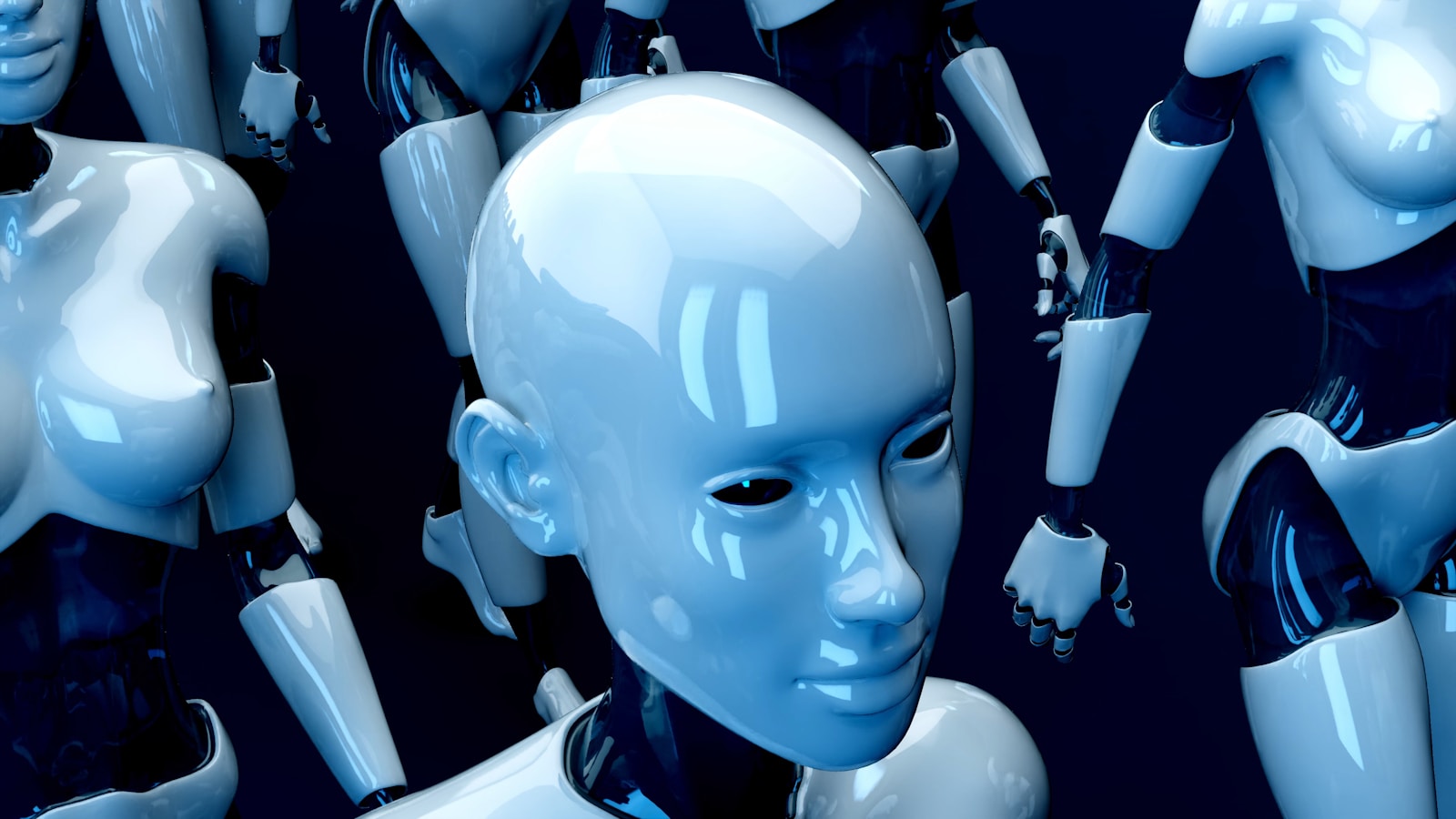
This past year was meant to showcase how far artificial intelligence had come. Instead, it exposed how fragile the AI boom still is.
Across industries, AI systems made headlines for the wrong reasons. Chatbots invented facts. Automated tools reinforced bias. Companies rushed products into the real world only to pull them back after public backlash. Governments struggled to respond. Users lost trust.
Taken together, these weren’t random mishaps. They were predictable failures caused by speed, hype, and misplaced confidence.
Looking back at a year of AI blunders helps clarify what actually went wrong — and why the next phase of AI adoption will look very different.
The Most Common AI Mistakes of the Year
Convincing Errors That Were Simply Wrong
One of the most visible problems was AI confidently producing false information — fake legal cases, incorrect medical details, or invented historical facts.
The danger wasn’t just inaccuracy. It was how believable the answers sounded.
What often went unmentioned is that this behavior is a known limitation of today’s AI models. These systems predict language patterns — they don’t verify truth.
Bias Showing Up at Scale
AI tools used for hiring, lending, education, and public services repeatedly produced biased outcomes.
Even when companies claimed to “fix” these systems, bias often returned because:
- training data reflected real-world inequality
- oversight was limited
- social context was ignored
Technical fixes alone couldn’t solve social problems.
Automation Without Clear Responsibility
Many organizations automated decisions once handled by humans — then struggled to explain results when something went wrong.
Customer complaints, moderation errors, and denied services often led to the same response: the system made the call.
In reality, someone always chose to deploy that system — but accountability was blurred.
Rushed Launches Driven by Hype
Competitive pressure pushed companies to release AI tools before they were ready.
The result:
- public reversals
- legal exposure
- damaged trust
What the headlines often missed was the internal pressure behind these launches. Speed was rewarded. Caution wasn’t.
Using AI in the Wrong Places
Some of the year’s most troubling failures came from putting AI into sensitive roles it wasn’t suited for — such as mental health guidance, legal triage, or high-stakes educational decisions.
These weren’t technical failures. They were judgment failures.
Why So Many Blunders Happened at Once
Adoption Outpaced Understanding
AI spread faster than:
- user education
- organizational governance
- regulatory frameworks
Many decision-makers didn’t fully understand the tools they were deploying.

Marketing Created Unrealistic Expectations
Labels like “assistant,” “copilot,” and “agent” made AI seem more capable — and more autonomous — than it actually was.
Language shaped trust before performance justified it.
Incentives Rewarded Speed, Not Safety
Companies gained:
- investor attention
- market share
- cost savings
Long-term risk rarely showed up on balance sheets — until something broke.
What the Year of AI Mistakes Taught Us
AI Is Never Neutral
Every system reflects the data, values, and incentives behind it.
Removing Humans Made Things Worse
The biggest failures occurred where human judgment was eliminated entirely. AI works best when it supports people, not replaces them.
Transparency Builds Trust — Silence Destroys It
Users want to know:
- what AI can’t do
- when it’s uncertain
- who is responsible
Without clarity, trust collapses quickly.
Regulation Usually Follows Harm
Most policy responses came after visible failures. Expect more formal rules as AI becomes harder to ignore.
What Coverage Often Missed
Much reporting focused on what failed, not why.
Often overlooked:
- internal company pressures
- leadership decisions
- lack of AI literacy at the top
- absence of clear accountability frameworks
These weren’t just technical errors. They were organizational and cultural failures.
What the Next Year of AI Will Likely Bring
The tone is already changing.
Expect:
- slower, more cautious rollouts
- more “human-in-the-loop” systems
- clearer responsibility for outcomes
- stronger public and regulatory scrutiny
The AI boom isn’t ending — but blind optimism is.
Frequently Asked Questions
Were AI mistakes inevitable?
Largely yes, given the speed of adoption and lack of governance.
Are hallucinations fixable?
They can be reduced, but not eliminated with current designs.
Is AI getting worse?
No — expectations were simply unrealistic.
Who is responsible when AI fails?
The organizations that choose to deploy it.
Did regulation slow innovation?
Failures slowed trust more than regulation ever did.
Is AI still useful?
Yes, when paired with human oversight.
Which sectors were most affected?
Media, hiring, education, and customer service.
Are companies learning from mistakes?
Some are. Others are repeating them.
Will trust recover?
Only if accountability improves.
What’s the key lesson?
AI is powerful — but unmanaged power leads to mistakes.

Bottom Line
The past year of AI blunders wasn’t a fluke. It was the result of rushing powerful tools into the world without clear rules, realistic expectations, or strong oversight.
The next phase of AI won’t be defined by faster models — but by whether humans finally learn to deploy them responsibly.
Sources Financial Times

