
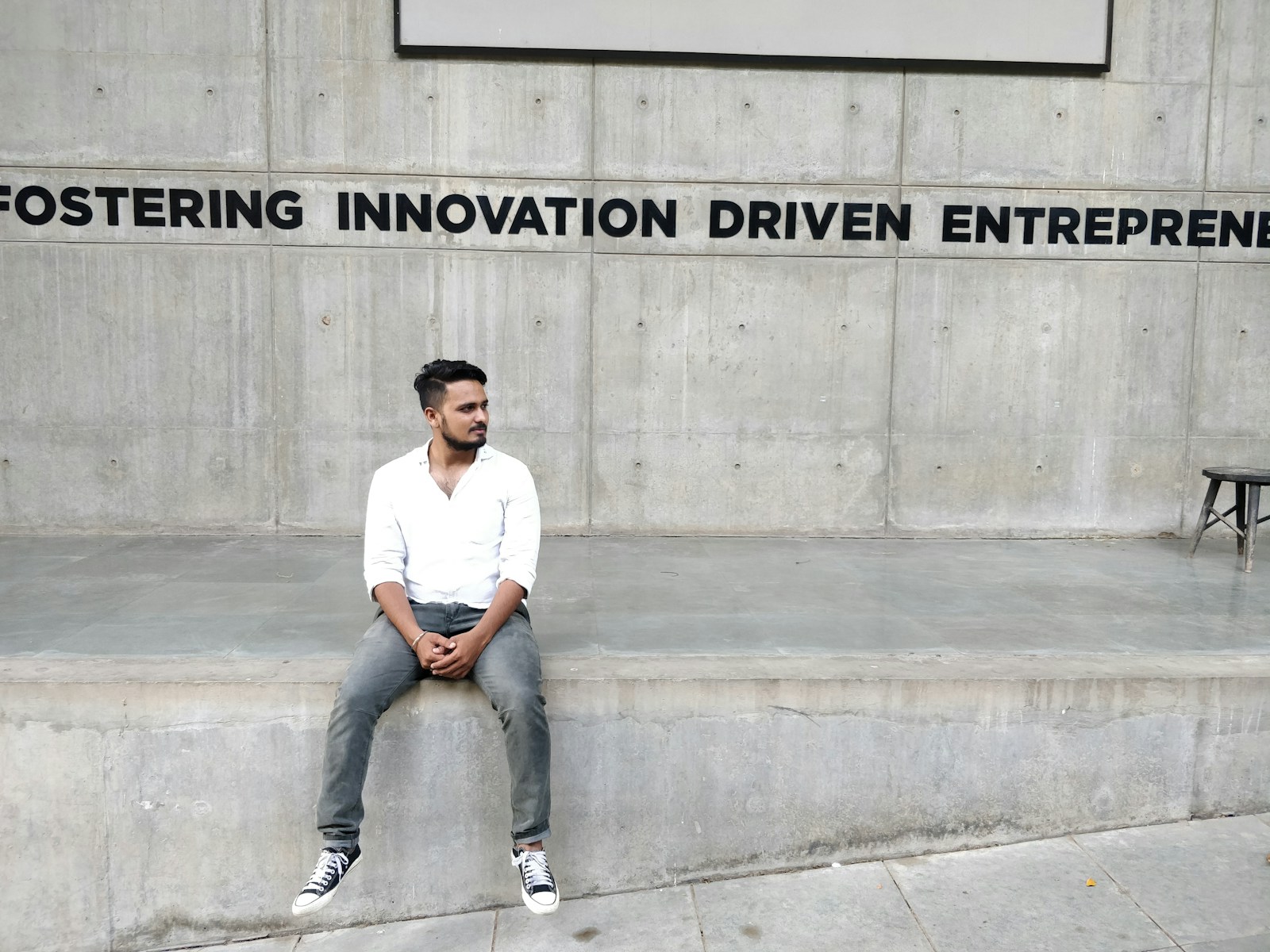
The Rising Myth: Grind Culture as Startup Badge of Honor
In AI startups—especially in the U.S. and tech hubs globally—a recurring narrative has emerged: to build something game‑changing, founders often default to an unsustainable lifestyle. The publicly‑circulated idea: work at breakneck speed, skip rest, sideline social life, sacrifice wellness, often with little margin for error. Sometimes it’s celebrated—say founders who code late into the night, fly between meetings, and push vision forward by sheer force of will.
This mindset—“no booze, no sleep, no fun”—reflects a belief that only through extreme personal sacrifice can one outpace competitors in an AI arms race.

What We Know So Far & What’s Often Underreported
From what has been shared in media reports, founder interviews, and industry discussions, here are known dynamics, plus aspects that tend to get overlooked.
Known Patterns
- Long Hours: Many AI founders report working 60‑80+ hour weeks, especially in early stages (seed, pre‑series A) or around major product launches or fundraisers.
- Lifestyle Simplification: Social life is often deprioritized. Sleep is squeezed. Diet, exercise, mental rest may be neglected. Some cut alcohol or recreation—not always as a moral choice, but as a practical one to reduce downtime.
- Investor Pressure & Signal to Stakeholders: Founders often believe that showing grit—skipping slack, going full throttle—is part of gaining respect from investors, employees, and the market.
- Burnout & Turnover: Not surprisingly, many startups see high founder fatigue, cofounder splits, mental health issues, or early departures of key team members. Some companies use the grind culture as a filter to test dedication—but at real human cost.
- Tradeoff of Speed vs Sustainability: Speed can drive early adopters, press coverage, and fundraising. But if product quality, reliability, or team cohesion suffer, startup may later struggle with scaling or retention.
What’s Less Commonly Discussed (Often Missed)
- Differences by Startup Stage: The pressures differ: early‑stage founders operate under resource constraints and ambiguous paths; later‑stage firms can allocate more for rest, team support, infrastructure, process. Media tends to highlight seed‑stage stories, but long‑term success often depends on better practices.
- Cultural & Regional Variations: What counts as “extreme sacrifice” can vary by culture. Founders in San Francisco vs Berlin vs Bangalore experience different norms about work hours, rest, social expectations, and what’s acceptable or sustainable.
- Gender & Diversity Impacts: Grind culture tends to favor those without caregiving responsibilities or who can afford health risk. Founders who are parents, caretakers, or who have underrepresented backgrounds may suffer more, or face trade‑offs others don’t.
- Health & Psychological Costs: There are risks of burnout, anxiety, depression, physical health declines. Sleep deprivation can harm decision‑making, creativity, and emotional resilience. Long term impact is under‑measured.
- Effect on Startup Outcomes: A few founders with rigorous work ethics might succeed quickly—but many fail. Success depends not just on effort, but on product‑market fit, execution, team, market conditions, people, funding, etc. Grind culture alone isn’t a recipe.
- Alternative Leadership Models: Some AI startups are experimenting with more balanced leadership: enforcing rest, encouraging time off, having mental health supports, flexible schedules, even sabbaticals. The emerging argument: sustainable culture equals sustainable success.
Why It’s Both Admired—and Dangerous
Pros (Why Founders Lean Into It):
- Creates momentum: relentless focus can help hit early milestones, product launches, press, fundraising.
- Sets culture: early signals to the team that this is serious, high stakes, everyone must stretch.
- Competitive edge: AI is capital intensive, fast‑moving, and often winner‑takes‑most. Speed matters.
Cons (What’s at Risk):
- Team burnout: founders & early hires may burn out and leave; morale can suffer.
- Quality issues: sloppiness, errors, lack of rest lead to mistakes in code, design, logic.
- Poor decision making: Sleep deprivation harms cognition, emotional control, risk assessment.
- Reputation & retention: word spreads. Good talent may avoid firms known for toxic work culture.
- Sustainability: scaling becomes harder if the foundation of sacrifice exhausts people.
Some Data Points & Emerging Research
While detailed longitudinal studies are still catching up, some emerging findings:
- Founders who report burnout are more likely to pivot or exit early. Rates of cofounder change or departure in early series rounds are non‑trivial.
- Teams with more balanced rest practices tend to report higher job satisfaction, better retention, and in some cases more sustainable growth over time.
- Funding rounds where investors emphasize founder well‑being or culture tend to see lower rates of toxic turnover.
- Employee expectations are shifting: increasingly, talent prefers firms that promise flexibility, mental health support, remote/hybrid options, even if the trade‑off is slightly slower growth.
How Founders & Startups Can Do It Differently (Better Models)
Here are strategies for maintaining high energy and ambition without breaking people:
- Set Boundaries Early: Define “off hours,” “no meeting times,” and respect sleep & rest.
- Encourage Breaks & Downtime: Culture rituals, mini‑vacations, encouraging detachments to recharge.
- Hire for Complementarity: Co‑founders or senior leadership who can share the load, provide support, manage different functions.
- Automate & Delegate Early: Avoid founder burnout by using tools, delegating non‑core tasks, building processes early.
- Implement Mental Health Support: Access to therapy, peer support, coaching; normalize asking for help.
- Transparent Communication: With investors, team members about expected hours, deadlines, work culture norms.
- Prioritize Sustainable Growth over Hypergrowth: Balancing traction with team health; sometimes slower but stable growth leads to better long‑term outcomes (product quality, retention, reputation).
Frequently Asked Questions
1. Is grinding really necessary to succeed in AI?
Not strictly. High effort matters—but many successful AI companies have balanced cultures. What matters more are clarity of vision, execution, smart hiring, product‑market fit, funding, and ability to adapt. Grind alone isn’t predictive of success.
2. Will investors accept slower, more sustainable growth?
Some will. Investors focused purely on return often expect speed. But a growing segment of investors value sustainable business models, healthy teams, low churn. These investors may reward founders who take care of their people and still deliver.
3. How common is burnout among AI founders?
It’s very common. Many report physical, emotional, or mental exhaustion. But because founder culture often celebrates sacrifice, people underreport or normalize burnout. Surveys are emerging but not always transparent.
4. Doesn’t sacrificing fun, rest, social life help with focus?
Short‑term, yes, it can increase output. But long‑term costs (health, creativity, decision quality) often outweigh short‑term gains. Deliberate rest and joy can improve performance, not hinder it.
5. Are there cultural differences in how grind culture is viewed or applied?
Yes. In some countries or startup ecosystems, work‑life balance is more protected; in others, long hours or “face time” are expected. Founders must understand their context: local labor laws, norms, talent expectations.
6. What should founders watch out for in themselves?
Signs like chronic fatigue, declining health, deteriorating personal relationships, loss of enjoyment, declining decision quality. If these appear, it’s a signal to step back, delegate, or adjust the rhythm.
Final Thoughts: Hustle with Heart
The “no booze, no sleep, no fun” myth remains alive because it plays to narratives of heroism, sacrifice, and legendary founders. But in many cases, it harms more than it helps.
AI is pushing the pace in tech—but successful founders will likely be those who don’t just endure the grind, but design cultures and structures that are fast and humane.
Because while burnout stories are inspiring in their drama, the startup story worth building is one that lasts.

Sources The Wall Street Journal

