
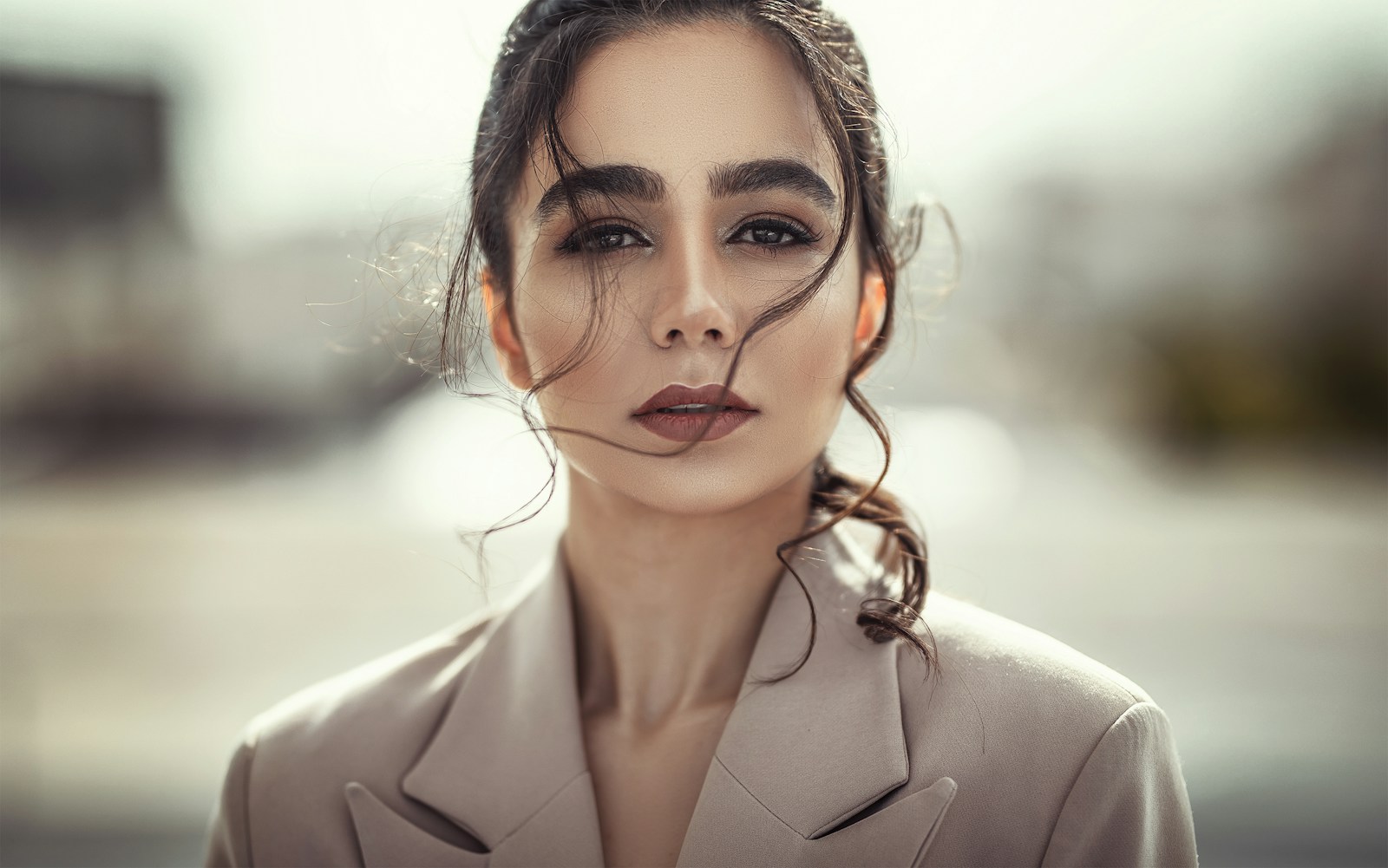
Hollywood has long flirted with special effects, digital doubles, CGI characters, and motion capture. But now, the industry is wrestling with something more radical: fully AI-generated performers claiming space among human actors.
The spark: the unveiling of Tilly Norwood, an AI “actor” created by the production studio Xicoia (a division of Particle6), which was presented at the Zurich Summit and promoted as a synthetic talent with agency representation ambitions.
That debut triggered fierce backlash from actors, unions, critics — and pointed to a crossroads: is this a new frontier of storytelling, or a threat to the very fabric of performance?
Let’s unpack the full story — what’s happening, what was left out, and how this debate maps onto bigger questions of labor, art, and identity.

What We Know: The Tilly Norwood Case & Industry Reaction
Here’s what’s in the public record so far:
- Tilly Norwood is a fully AI-generated “actress.” Her presence is curated: she has social media profiles, images, short films, and public branding.
- The AI character was introduced at a film/tech crossover event in Zurich. Developers have suggested that agencies are already showing interest.
- SAG-AFTRA, the Hollywood actors’ union, publicly condemned the project, stating that AI creations trained on actors’ work (often without consent) pose a direct threat to human performers.
- Prominent actors such as Emily Blunt voiced alarm: “That is really, really scary … Please stop taking away our human connection.”
- The creator, Eline Van Der Velden, defends the project, positioning Norwood as a new artistic medium or “tool” akin to CGI or animation, not a replacement for human actors.
- Some industry commentators argue that AI actors could cut production costs dramatically, especially for background characters, stunts, or voice work, increasing efficiency.
Beyond these basics lie deeper issues that are only now coalescing.
What the Headlines Missed — Hidden Layers & Broader Implications
To understand why this is such a fraught moment, we need to dig deeper:
1. Consent, Likeness & Intellectual Property
- How was Norwood trained? If the AI model used performances, images, or voice data from real actors without permission, this raises serious infringement concerns.
- When studios and talent agencies negotiate, contracts typically regulate likeness, residuals, and performance rights. Introducing synthetic performers may bypass or undermine those arrangements.
- The model may replicate or echo traits from known actors, which blurs lines around identity, credit, and attribution.
2. Labor, Job Displacement & Value Capture
- If synthetic actors become viable across scales, human actors may lose gigs—especially extras, background roles, voiceovers, stunts—jobs traditionally seen as more replaceable.
- The gains from cost savings (less payroll, no travel, no unions) are likely to accrue to producers and owners, not to the displaced creatives.
- This taps into wider debates from the recent writers’ and performers’ strikes in Hollywood (2023 onward), where AI’s role in replacing or diluting creative labor was a central issue.
3. Authenticity, Emotion & Human Experience
- Acting is not just motion + dialogue; it is rooted in human experience, emotional nuance, presence, and unpredictability. AI lacks lived history, subjective consciousness, and moral agency.
- Even top AI may struggle to convincingly convey subtlety, cultural context, or improvisational reaction. Over time audiences may perceive an uncanny gap, reducing emotional resonance.
4. Economic & Business Models
- If AI actors scale, the cost structure of film/TV production changes. Producers may allocate more to infrastructure (compute, storage, AI pipelines) rather than human talent.
- This may shift gatekeeping: tech firms, AI studios, and platform owners might become dominant “casting” authorities rather than agencies or casting directors.
- A small number of powerful AI creator studios might consolidate control over synthetic talent, centralizing economic power.
5. Regulation, Minimum Standards & Guild Protections
- Hollywood labor organizations will push to define rules: when is synthetic content allowed, whether human-originating data must be licensed, payment to originals, audit rights, etc.
- Legislative frameworks (in the U.S. and abroad) may be needed for synthetic likeness rights, AI use transparency, and compensation for training data contributors.
- Guilds may demand that studios disclose AI use in casting or credit human actors when their data was used to train models.
6. Perception, Audience Trust & Market Pullback
- Public sentiment may push back: audiences may disdain content created with synthetic actors if it feels hollow or formulaic.
- Some markets (e.g. prestige cinema, festivals) may push for authenticity as a differentiator. Filmmakers may emphasize “human performance” as an artistic brand.
- Some synthetic projects may fail not because of technology, but because narrative and emotional impact suffer.
7. Hybrid Models & Coexistence
- Irrespective of threats, many see hybrid models: AI helps with motion capture extension, stunt doubling, digital background extras, or “composer” of minor interactions, while core roles remain human.
- AI may assist in rehearsals, real-time performance augmentation, or alternative versions — not total replacement.
8. Long-Term Cultural Stakes
- What does it mean for cultural memory, diversity, representation, and connection if storytelling is partly synthetic?
- Synthetic performers risk flattening diversity: if many AI actors use converged datasets, differences in race, cultural style, voice texture may be lost or overly homogenized.
What to Watch — Indicators & Risks for the Coming Years
Here are key developments that will test how viable (or dangerous) AI actors become:
- Contract Disputes & Litigations: Will courts recognize rights to likeness, unauthorized use of data, or residual demands?
- Guild Agreements: Will SAG-AFTRA, WGA, and similar bodies impose binding rules restricting AI replacement or requiring consent/royalties?
- Quality & Audience Acceptance: How convincingly can AI actors deliver dialog, emotion, and chemistry at feature-film level?
- Cost vs Benefit Threshold: Many synthetic efforts may remain expensive or risky until infrastructure, tools, standards mature.
- Regulation & Censorship: Laws may require disclosure (“this was AI”), watermarking, or limits on synthetic performer use in advertising, endorsements, politics.
- Consumer Backlash: If audiences feel cheated or disconnected, film studios may avoid synthetic casting in major releases.
- Global Differences: Some regions may adopt synthetic actors faster due to lower labor protections or cost pressures, creating uneven industry dynamics.
Frequently Asked Questions (FAQs)
| Question | Answer |
|---|---|
| 1. Is Tilly Norwood a “real” actor? | No. Tilly is an AI-generated creation. She doesn’t have a human consciousness, biography, or subjective experience. She’s programmed to simulate performance. |
| 2. Can AI actors completely replace humans in film/TV? | Unlikely in the near term — human performance still excels in emotional depth, improvisation, subtlety, and presence. But AI can potentially replace or supplement more mechanical, lower-risk roles. |
| 3. What rights do human actors have if their data trained AI? | This area is under debate. Many will argue for licensing, mandatory attribution, consent, and compensation. Legal and contractual frameworks are being pressed. |
| 4. Will AI actors reduce production costs significantly? | Potentially — especially for background, stunters, or voice roles. But initial development costs, tooling, compute, and quality control may offset gains until scale is reached. |
| 5. How will audiences react? | It will vary. Some viewers may reject synthetic performance as uncanny or inauthentic. Others may accept or not notice subtle differences if execution is high. |
| 6. Can AI actors diversify storytelling access? | Possibly. AI reduces geographic constraints, making it easier to produce content with synthetic talent globally. But the flip side is centralization: a few AI studios may dominate. |
| 7. What protections should unions demand? | Disclosure of AI use, consent of data usage, royalties, limits on synthetic replacement in core roles, audit rights, and compensation for actors whose work is used in training. |
| 8. Could synthetic actors be used ethically? | Yes, but only with guardrails: consent, transparency, shared economic benefit, usage limits (e.g. not in political ads), and human-centered oversight. |
Conclusion: A Turning Point or Tipping Point?
The arrival of Tilly Norwood marks more than a novelty—it amplifies tensions already simmering in Hollywood around automation, labor, art, and economic power. Whether AI actors become a dystopian substitute or a complementary tool depends largely on how the industry, unions, regulators, and audiences respond.
This moment demands careful balance:
- Protect human creativity and livelihoods, especially in a line of work rooted in expression and lived experience.
- Experiment wisely, allowing synthetic tools to augment—not overshadow—human performance.
- Establish clear ethical, legal, and contractual guardrails before synthetic performers scale uncontrollably.
- Center audience experience, ensuring synthetic content doesn’t erode emotional engagement or authenticity.
Hollywood faces a crossroads. If it preserves artistry, rights, fairness, and integrity, synthetic actors may expand the palette of storytelling rather than replace those who give stories life. The alternative is a world where much of the human soul is black boxed behind code—and art becomes hollow echo.

Sources CNN

