

Humanoid robots might seem like science fiction, but for Elon Musk and Tesla, they’re cornerstones of a transformed future: from car maker to robot maker. Throughout this article, we’ll explore why Tesla is pushing humanoid robots, what that means in practice, what the hidden challenges are, and answer readers’ most common questions at the end.
Why Tesla Wants Humanoid Robots
1. Compatibility with Human-World Infrastructure
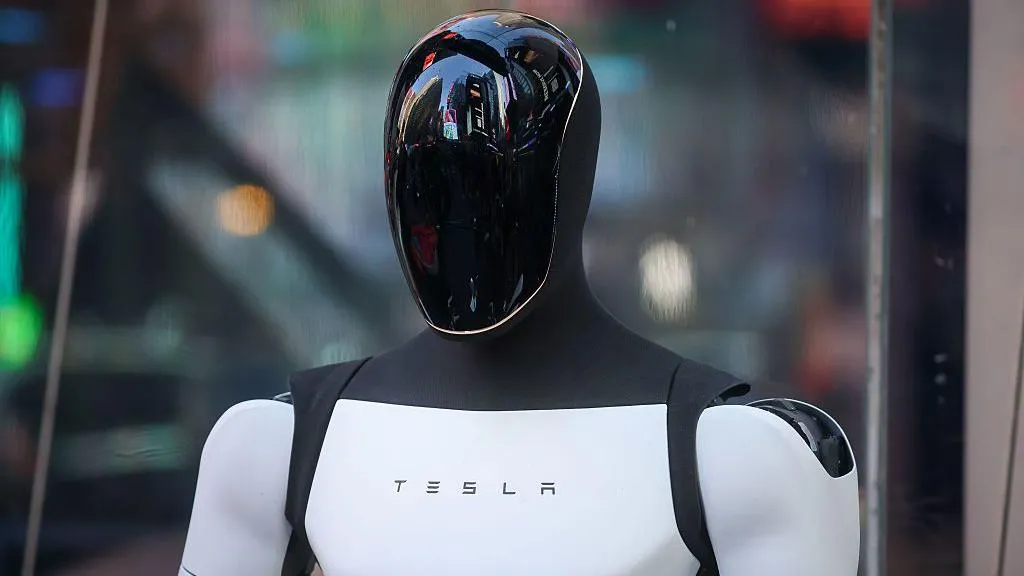
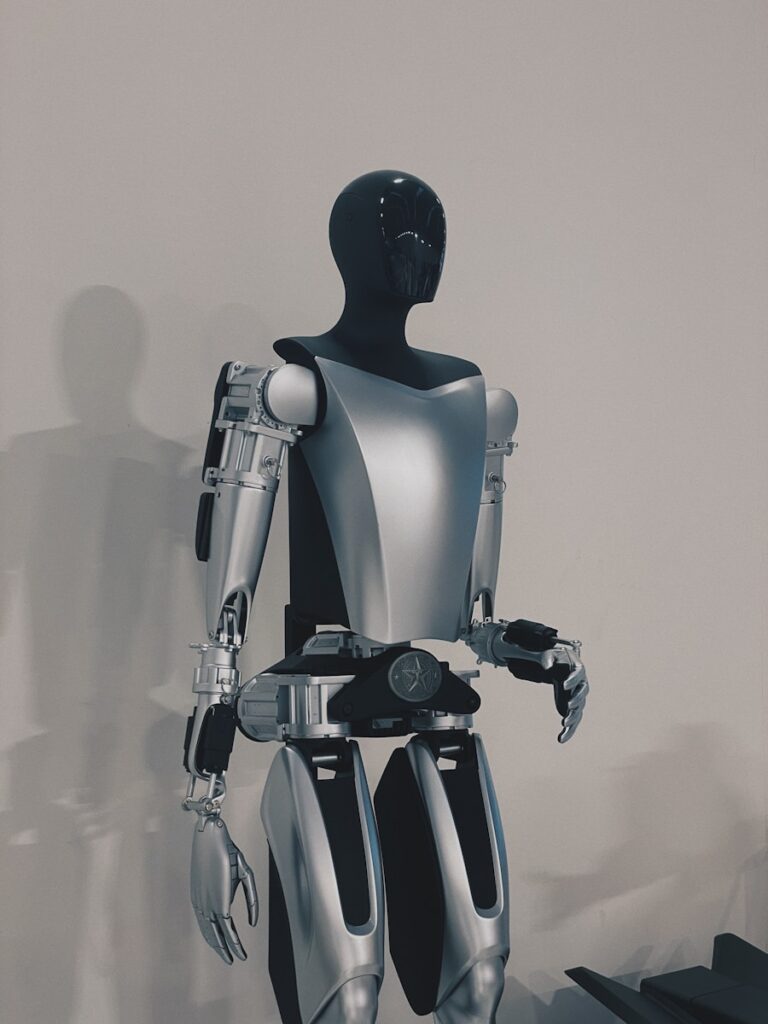
Tesla’s robot — known as Optimus (or Tesla Bot) — is designed in the human form because human environments (stairs, tools, spaces) were built for humans. Musk argues that a robot that can walk where people walk and use the same interfaces has huge advantages. It avoids the need to redesign workplaces.
2. Scaling Labor and Productivity
Tesla faces increasing pressure on vehicle production, margins and labor costs. Analysts suggest a successful humanoid robot could significantly reduce labor costs in factories, logistics and other work-zones. One projection: if a robot can work at low cost continuously, it could replace multiple human roles and return value.
3. Strategic Pivot Beyond Cars
Tesla’s vision is shifting. While electric vehicles remain important, Musk has frequently stated that Optimus and robots represent the long-term future of the company. Some of his remarks suggest he believes the robot business may outvalue the car business over decades.
4. Data, AI and Robotics Synergy
Tesla already has strengths in camera-based perception (via its Autopilot/Full Self-Driving stack), chip design, software and manufacturing. Humanoid robots leverage many of those capabilities: vision, path-planning, AI, control systems. In many ways, robots are a logical next step for Tesla’s technology stack.
What’s Under the Hood: Technical and Business Details
- Optimus is intended to perform “boring, repetitive or dangerous” tasks — things humans don’t want to do. The goal is to automate more than just cars.
- Tesla plans internal deployment first (in its factories) before broader external use. That gives the company a controlled environment to test and refine.
- Some published specs indicate several degrees of freedom in limbs, using vision-only AI training (in simulation) for many tasks.
- The business model: robots may be leased or sold, become a new mass-product category. Tesla has projected high production volumes if/when the technology is ready.
What the Original Coverage Often Doesn’t Highlight
A. The Real Challenges in Humanoid Robotics
Creating a human-like robot is vastly more complex than it appears. Balance, power, reliability, safety, and cost all present major hurdles. Many prototypes work in labs but fail in real, uncontrolled settings. Tesla faces the same issues: hardware durability, battery limitations, environmental adaptation, and mass production logistics.
B. The Return-on-Investment Question
Even if the robot works, will it deliver economic value? Replacing humans costs not just the robot’s sticker price, but maintenance, supervision, downtime, safety monitoring and integration. The business case must clear all those hurdles, not just the engineering ones.
C. Regulatory, Ethical and Labour Impacts
Humanoid robots raise questions: What happens to workers? How will humans accept robots walking among them? Who owns liability if a robot makes a mistake? Regulations on robots in public, workplaces and homes are still embryonic. Tesla’s push means they will face those issues.
D. Market Timing and Hype Risks
Tesla has a history of ambitious timelines. If robots don’t scale fast, investor expectations may not be met. The gap between prototype and commercial mass robot is long. Being first doesn’t guarantee being viable.
E. Ecosystem and Infrastructure Needs
Humanoid robots may need supporting infrastructure: spaces engineered for safe robot-human interaction, tool compatibility, recharging systems, supervision & diagnostics. Without that ecosystem, robots may remain curiosities rather than utility machines.
What This Means for Stakeholders
- For workers and labour markets: If humanoid robots become widespread, some routine jobs may change or disappear; new roles will emerge (robot supervisors, maintainers, integration specialists).
- For companies and industries: Early adopters in manufacturing, logistics or services may gain competitive edge. Humanoids, if reliable, could reshape cost structures.
- For consumers: Eventually robots may move out of factories into homes and workplaces. That raises questions of privacy, safety and human-robot interaction.
- For investors: Tesla’s valuation may depend increasingly on success (or failure) of its robot business. The risk/reward balance shifts from cars to robots.
- For society and policy-makers: Rules for robots in public, their interaction with humans, safety standards, labour implications and displacement must be developed.
Frequently Asked Questions (FAQ)
Q: Why did Tesla choose a human-shaped robot rather than a machine with wheels?
Because the world is built for humans: stairs, doorknobs, furniture, tools. A humanoid robot fits into human environments without massive redesign. Tesla believes that compatibility matters.
Q: When will we see Optimus robots in everyday use?
Tesla’s public timeline suggests internal use within a few years (in its own factories), with broader deployment in subsequent years. However, concrete timelines remain uncertain and subject to engineering and production hurdles.
Q: Will humanoid robots replace human workers?
Not immediately. The more probable scenario is augmentation: robots handling repetitive or hazardous tasks while humans focus on higher-value work. Over time, certain routine jobs may decline, but new roles may appear.
Q: What are the biggest technical obstacles?
Key challenges: power/battery life, mobility over uneven terrain, object manipulation, human-safe interaction, vision/training for varied tasks, cost of production and robustness in real world.
Q: How significant is this for Tesla’s future?
Tesla views robots as a major strategic pivot. Some statements suggest Optimus could become the company’s largest product platform in the long term. Whether it plays out depends heavily on execution.
Q: Should other companies worry about Tesla’s robot push?
Yes — if humanoid robots become viable, industries could see dramatic shifts. But success isn’t guaranteed; other firms may win in niches or alternative forms rather than humanoids. It’s a watch scenario rather than panic.
Final Thoughts
Tesla’s humanoid robot ambition isn’t merely a gadget launch. It’s a vision of what the company wants to become: not just an automaker, but a robotics and AI platform aiming to automate expansive parts of the human world.
Whether Optimus becomes a commercial success or a cautionary tale, one thing is clear: we’re at a turning point. Robots that look like us, walk like us and work among us may no longer be far-fetched. The question isn’t if, but when — and how we’ll live alongside them.
Sources BBC

