
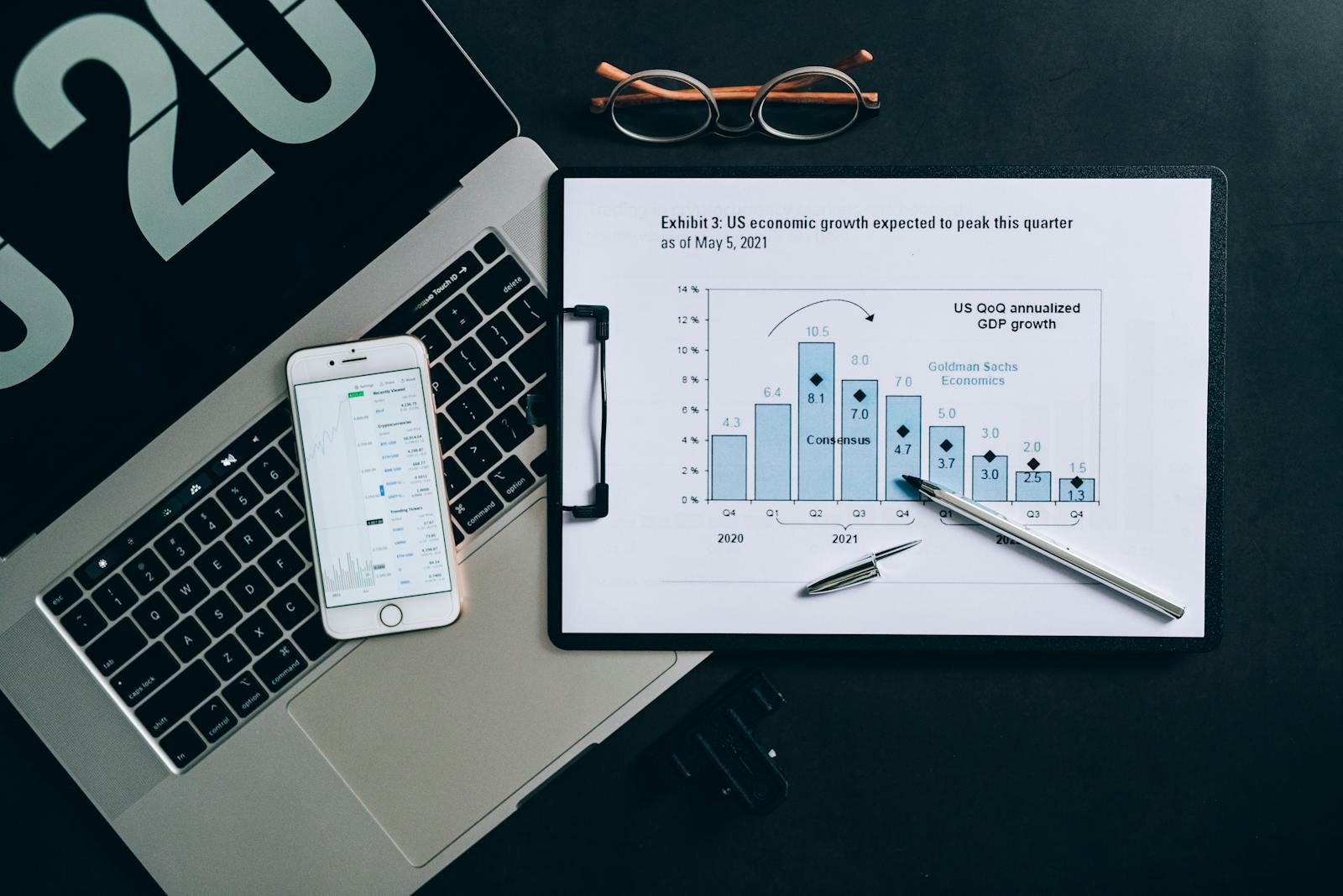
Is the world heading for another tech bubble? With A.I. hype everywhere—from ChatGPT to Nvidia—it’s easy to think we’re seconds away from a market meltdown.
But according to Goldman Sachs, the reality is more grounded. We’re not in an A.I. bubble (yet). Instead, a new generation of multimillionaire investors is reshaping the market—funneling their wealth into three powerful forces: artificial intelligence, energy, and healthcare innovation.
Let’s break down what they know that most investors don’t.

🚀 A.I. Isn’t a Bubble—It’s a Buildout
Goldman Sachs analysts say the A.I. surge is not just hype; it’s a long-term technological buildout. Unlike the dot-com boom, today’s A.I. leaders have real earnings, strong business models, and tangible demand.
What’s driving this?
- Massive infrastructure spending — The A.I. ecosystem requires expensive chips, high-performance data centers, and enormous power capacity.
- Enterprise adoption — Businesses are actually using A.I. to boost efficiency and margins.
- Profit growth — The biggest A.I. players are making money, not just burning cash.
In short: A.I. today is more substance than speculation.
👩💼 The Next-Gen Millionaire Playbook
Goldman Sachs’s young millionaire clients aren’t just buying flashy A.I. stocks—they’re investing in the systems that make A.I. possible.
Here’s where the smart money is flowing:
1. AI Infrastructure
Think semiconductors, cloud platforms, and data pipelines. This is the plumbing of A.I.—the picks and shovels in a digital gold rush. These investors know that every A.I. company, app, or startup ultimately depends on this backbone.
2. Energy Powering Intelligence
Data centers are energy-hungry beasts. With global A.I. demand skyrocketing, power generation and storage are becoming prime investment frontiers. Expect strong moves into renewables, battery storage, and grid modernization.
3. Healthcare Meets A.I.
This is where purpose meets profit. A.I.-driven biotech, precision medicine, and diagnostics are poised to transform healthcare—and build wealth along the way. Younger investors are betting on longevity tech, drug discovery algorithms, and wearable data analytics.
In other words: the next wave of A.I. wealth isn’t just digital. It’s deeply physical—rooted in chips, power, and health.
📉 What Fortune’s Article Got Right (and What It Missed)
The Fortune piece highlighted Goldman Sachs’s message: A.I. is booming, but it’s not a bubble. However, several crucial insights deserve more attention:
- Infrastructure is the real bottleneck — It’s not software hype; it’s hardware and energy constraints.
- Winners today might not rule tomorrow — Early dominance doesn’t guarantee long-term leadership.
- Energy is the new frontier — Power generation is now as vital to A.I. as algorithms.
- Regulation risk is real — A few tech giants control much of the A.I. ecosystem; antitrust and global policy could shake the market.
- Time horizons matter — True value may take 5–10 years to materialize.
The wealthy understand this—and they’re patient.
🧭 What Investors Can Learn
If you’re not sitting on a Goldman Sachs account, here’s how you can think like the new elite:
✅ Think long-term — The A.I. economy is a marathon, not a sprint.
✅ Invest in enablers, not just end products — Infrastructure > hype.
✅ Diversify beyond tech — Energy and healthcare are core to the next decade’s innovation.
✅ Follow fundamentals — Look for revenue, not rumors.
🔍 FAQs: Your Top Questions About A.I. Investing
Q1: Are we in an A.I. bubble?
Not yet. The data shows strong earnings, real adoption, and capital flowing into infrastructure—not speculative hype.
Q2: What’s the biggest risk right now?
Concentration. A few companies dominate the A.I. stack (think Nvidia, Microsoft, OpenAI). Any disruption could ripple fast.
Q3: Can small investors join in?
Absolutely. Look for A.I. ETFs, semiconductor funds, or healthcare innovators using A.I. for drug discovery.
Q4: Is A.I. just a tech play?
No. It’s spreading into energy, manufacturing, medicine, and finance. The “tech-only” view misses half the story.
Q5: How long before A.I. investments pay off?
Most experts expect 5–10 years for full value realization. It’s about staying early—and staying patient.

💡 Final Thoughts: From Hype to High Ground
Goldman Sachs’s message is simple but powerful:
We’re not in an A.I. bubble—we’re in an A.I. revolution.
The investors who win this round aren’t chasing trends. They’re building foundations—in data, power, and human health.
So whether you’re managing millions or just starting out, the rule is the same:
Don’t follow the noise. Follow the infrastructure.
Sources Fortune

