
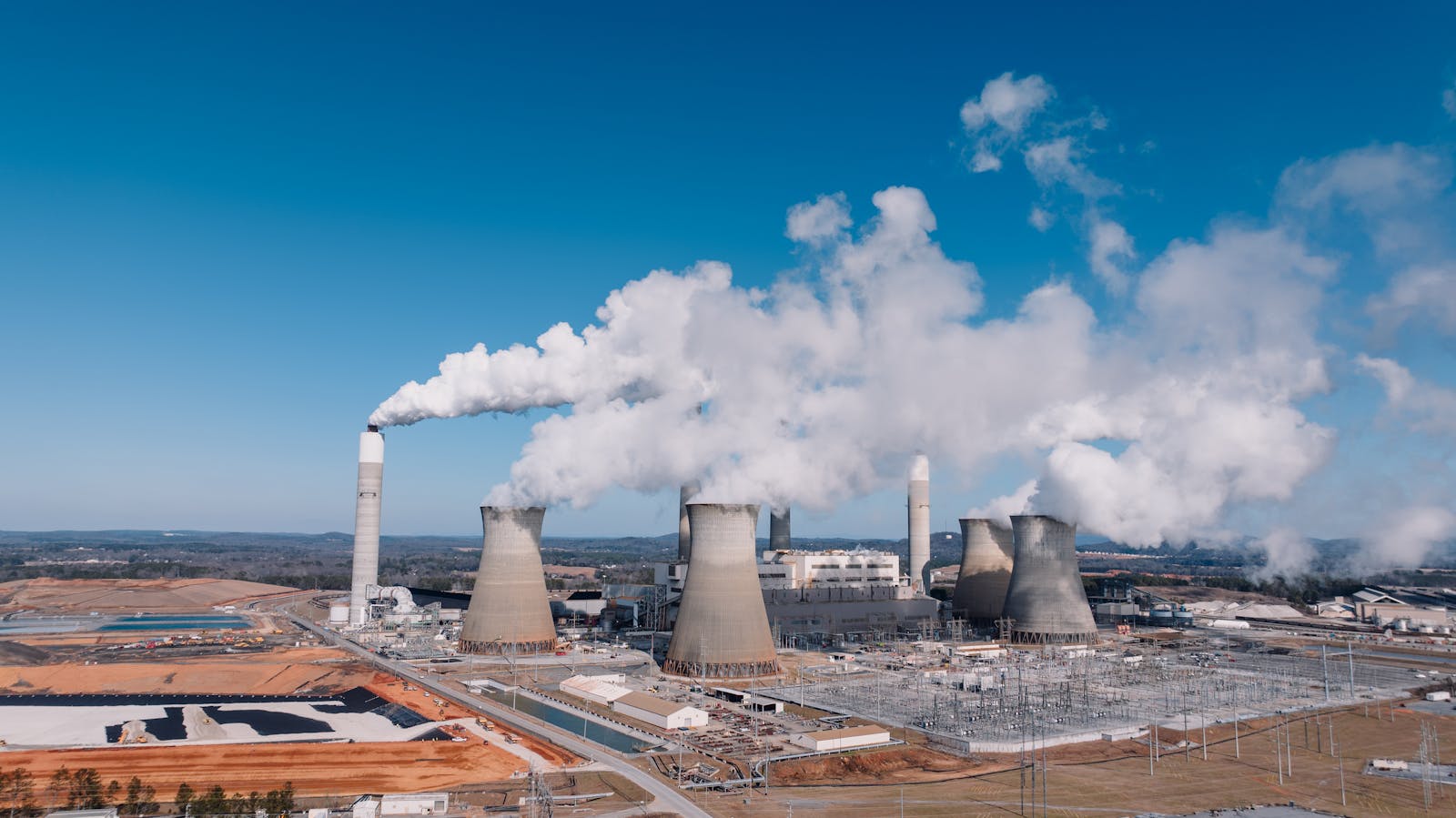
Artificial intelligence (A.I.) is the headline technology of our era. But beneath the buzz—chatbots, smart models, and billion-dollar breakthroughs—lurks a less glamorous truth: A.I. runs on energy.
The infrastructure that powers A.I. systems—data centers, chip manufacturing, and cloud servers—relies on enormous amounts of electricity. And according to recent analysis, the United States may be at risk of falling behind in this new energy race.
Here’s a deeper look at what’s happening, what it means, and why “energy is king” in the A.I. economy.
🧠 The Core Insight
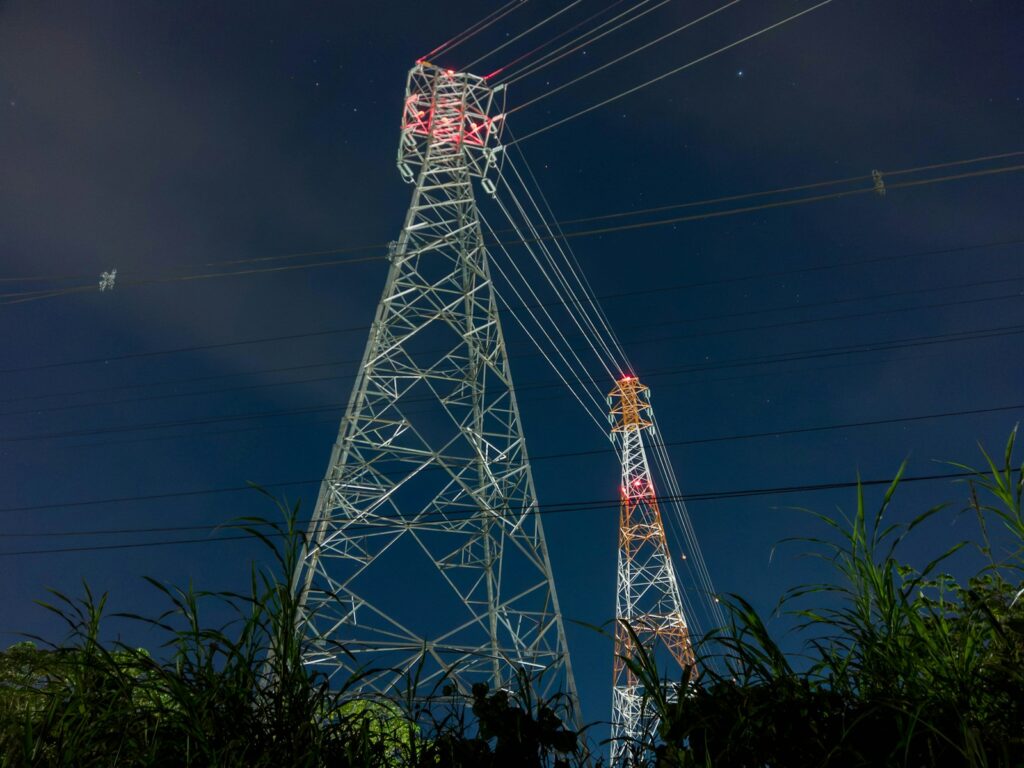
A.I. is hungry. Training and running large-scale models consumes staggering amounts of power. The real bottleneck in A.I. progress may no longer be chips or algorithms—it’s energy availability.
While the U.S. leads in software and innovation, its energy grid and infrastructure are struggling to keep pace with demand. Other countries—especially China—are rapidly expanding their energy capacity and building advanced grids capable of supporting A.I. growth.
In this new technological era, the winners may not just be the best coders or chipmakers—but those who control the power to compute.
🔍 What the Original Article Covered
MIT Technology Review highlighted how the U.S. is facing a widening gap between A.I.’s growing energy demands and the ability of its current grid to meet those demands.
It warned that unless the U.S. invests aggressively in power generation, transmission, and grid modernization, it could lose its A.I. leadership to countries with stronger energy strategies.
🌐 The Bigger Story: What Was Missing
1. The Scale of A.I.’s Energy Appetite
Data centers are expanding at breakneck speed. Electricity consumption from A.I. workloads is expected to quadruple by 2030, outpacing most infrastructure growth projections. Some experts predict the U.S. grid could face up to 30 times more energy demand from A.I. data centers within the next decade.
This isn’t an incremental problem—it’s exponential.
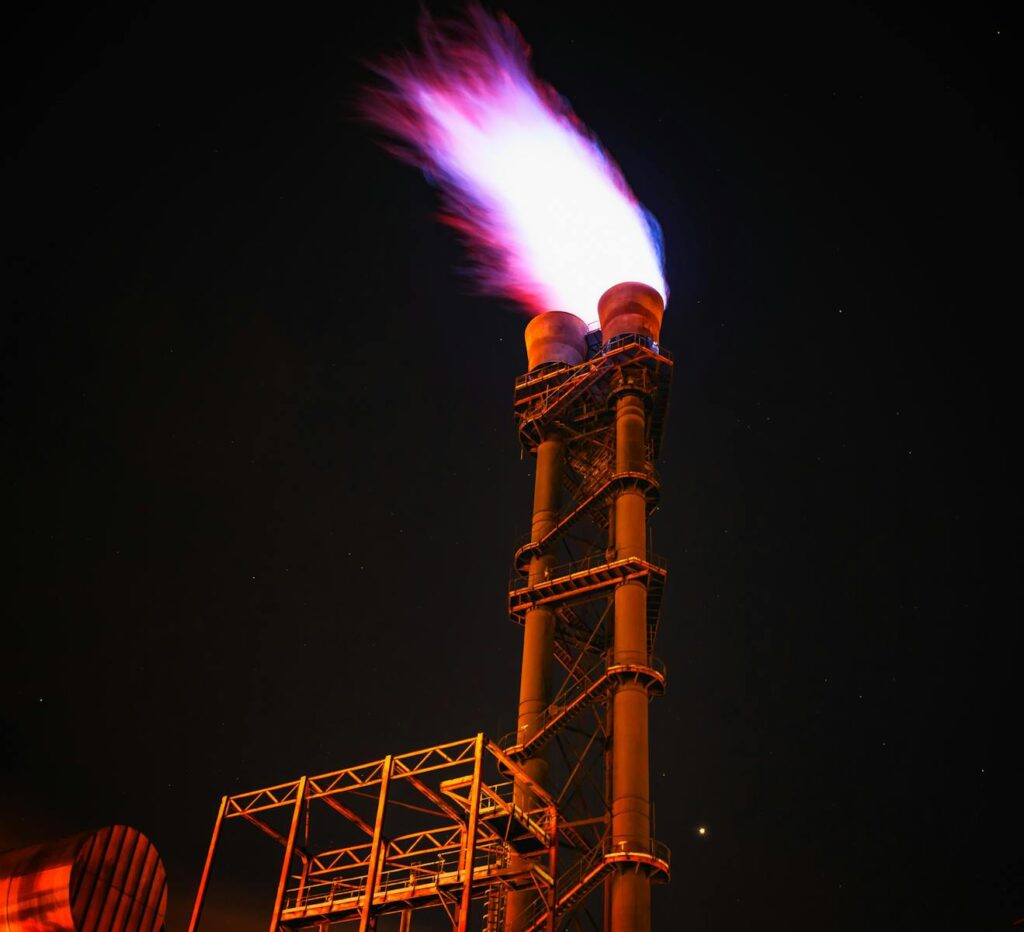
2. Transmission, Not Just Generation
Building more power plants isn’t enough. The U.S. also faces a transmission crisis—aging infrastructure, long permitting delays, and local resistance to new lines. Even when power is available, it often can’t be delivered efficiently to data centers.
Energy isn’t just about production. It’s about movement.
3. A Global Power Shift
China and several European nations are integrating renewables, nuclear, and high-voltage transmission systems faster than the U.S. They’re building “compute + energy” hubs designed specifically to host massive A.I. workloads.
Meanwhile, U.S. projects often get stuck in red tape or fragmented regulation. The result? A slow creep of competitive disadvantage.
4. The Environmental Equation
A.I. doesn’t just demand power—it consumes water for cooling and contributes to carbon emissions if fueled by fossil sources. Without clean, scalable energy, the A.I. boom could collide with environmental limits and public pressure.
5. Investment Realignment
Tech companies are increasingly investing directly in energy. Instead of waiting for utilities, they’re building their own power capacity, securing renewable energy contracts, and co-locating A.I. data centers near energy sources.
This is where the next frontier of tech capital is heading—not just into chips, but into energy ecosystems.
6. Policy and Speed of Action
The U.S. permitting system for new energy and transmission projects remains slow and complex. The real challenge isn’t just funding—it’s speed. A.I. development cycles move in months; energy projects move in years. That mismatch could define who wins the decade.
🧭 Why This Matters
For Governments
Energy infrastructure is now a national security issue. A country that can’t power its A.I. economy risks falling behind in innovation, defense, and global competitiveness.
For Businesses
Data centers and cloud providers are rethinking where to build. Cheap, reliable, and green energy will determine the next generation of tech hubs. Companies that fail to plan for energy availability may face operational and cost bottlenecks.
For Investors
The A.I. boom isn’t just a software story—it’s an energy story. Opportunities lie in renewables, storage, grid modernization, and transmission technology. The smart money is already moving there.
❓ Frequently Asked Questions (FAQs)
Q1: Is the U.S. really falling behind in the A.I. energy race?
Yes, primarily in infrastructure and scalability. Other countries are modernizing their grids faster, while the U.S. faces bureaucratic and structural delays.
Q2: Why is energy so critical to A.I.?
Training and operating large A.I. models consumes massive power. Data centers run 24/7, and compute demand is rising faster than efficiency gains. Power has become the new currency of innovation.
Q3: Can efficiency improvements offset rising energy use?
Not fully. Even though chips are becoming more efficient, A.I. demand is growing far faster. Efficiency helps—but the total energy load will still rise sharply.
Q4: What kind of energy solutions are needed?
A mix of renewables, nuclear, storage, and faster transmission lines. A reliable grid capable of handling peak loads will be essential for the A.I. era.
Q5: What happens if the U.S. doesn’t act?
Power shortages, rising costs, and slower A.I. development. Over time, major data infrastructure may migrate to countries with cheaper and more abundant power.
Q6: How can the U.S. catch up?
By reforming energy policy, accelerating grid upgrades, investing in clean power generation, and creating “A.I. energy hubs” where data and energy coexist efficiently.
🔮 Final Thoughts
A.I. may be the brain of the digital future—but energy is the heartbeat.
The nations that secure abundant, clean, and reliable power will dominate the next decade of technological innovation. For the U.S., the race is no longer just about algorithms or chips—it’s about infrastructure, speed, and foresight.
As we enter the next phase of the A.I. revolution, remember this simple truth:
You can’t build intelligence without power.
Sources MIT Technology Review

