

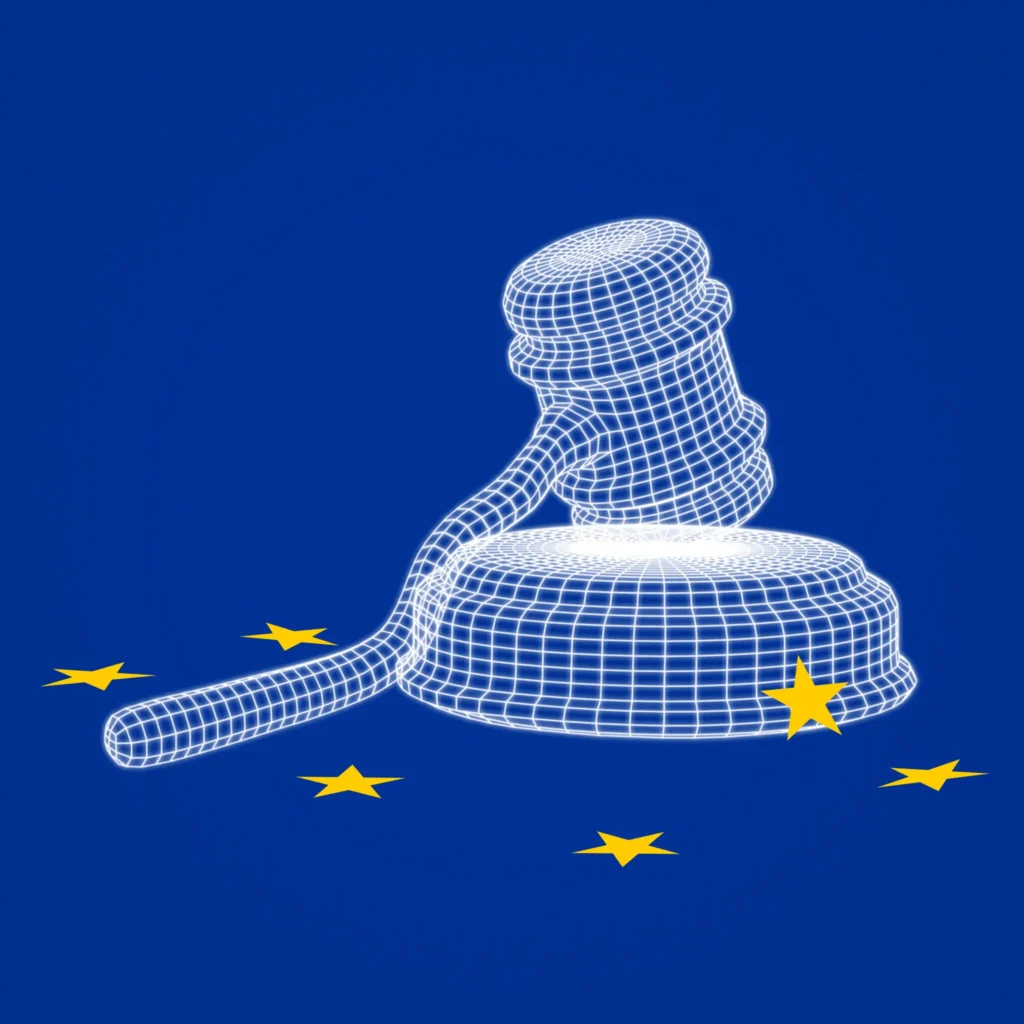
For years, Europe has held the title of the world’s toughest tech regulator, armed with sweeping laws meant to rein in the power of giants like Google, Meta, Amazon, and Apple. But something is shifting. Instead of doubling down on enforcement, the European Union is beginning to rethink its strategy — balancing control with competitiveness, and regulation with innovation.
Europe isn’t backing away from its regulatory ambitions. It’s recalibrating them.
🔍 Why Europe Is Rethinking Its Approach
1. Innovation vs. Overregulation
Europe has long leaned toward regulation-first digital policy. But political and business leaders have started voicing concerns that heavy, overlapping rules could:
- slow down innovation
- deter foreign investment
- push high-growth tech companies outside Europe
This isn’t about weakening laws. It’s about making them work smarter.
2. Pushback From Big Tech — and Global Politics
Large U.S. tech companies have challenged the complexity, cost, and speed of Europe’s rules. Add shifting geopolitical dynamics, trade tensions, and global competition, and you get political pressure on Brussels to adjust its strategy—not abandon it.
3. A New Focus on “Tech Sovereignty”
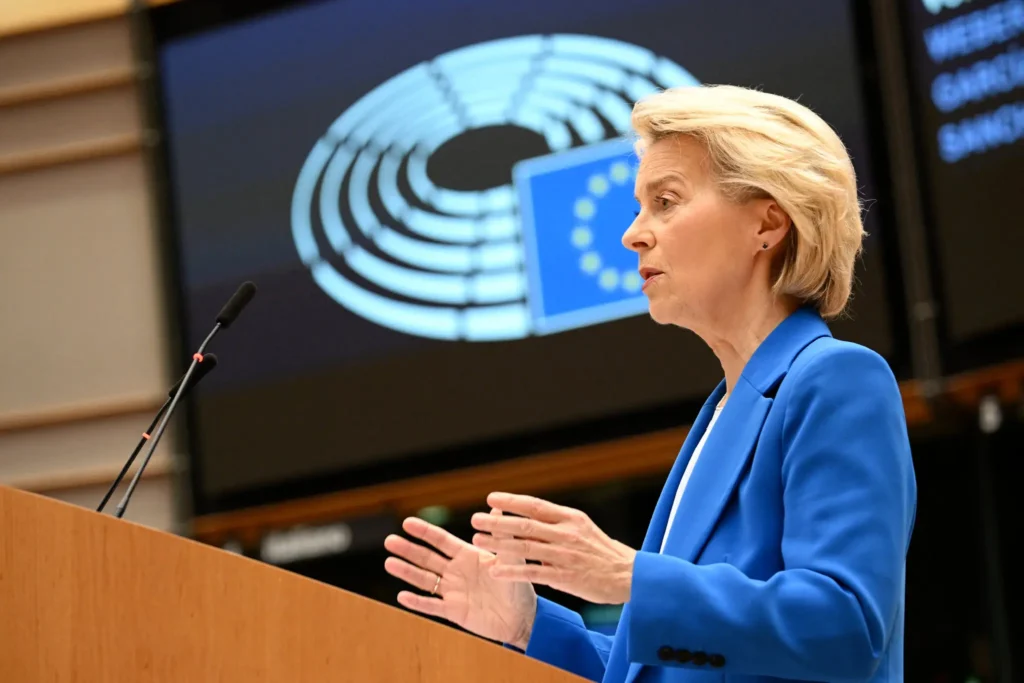
Europe wants stronger domestic capabilities in chips, cloud computing, cybersecurity, AI, and quantum. This requires more than strict rules — it demands investment, talent, and supportive industrial strategy. Regulation is becoming part of Europe’s economic playbook, not just its legal toolkit.
4. Enforcement Is Harder Than Lawmaking
Passing bold tech rules is easy compared to enforcing them. Regulators are understaffed relative to the power of global platforms. The rethink includes simplifying frameworks so they’re easier to enforce, faster to implement, and clearer for businesses to follow.
📋 What the Original Story Highlighted — And What It Missed
Covered:
- Europe’s willingness to reassess rigid digital policies
- Internal debates within the EU about balancing innovation and oversight
- Signals that Brussels may ease overly complex frameworks
Missed or Under-Explored:
- How tech regulation is becoming intertwined with industrial strategy
- The burdens overlapping laws place on SMEs and startups
- Long-term enforcement challenges
- The need for Europe-wide consistency (rules vary by member state)
- The role of talent shortages in slowing digital growth
- How global competition from the U.S. and China is reshaping EU priorities
- The risk that too much simplification could weaken consumer protections
🧭 What Europe’s New Approach Looks Like
1. From Floods of New Rules to Targeted Action
Europe is shifting toward fewer, sharper interventions rather than constant new legislative acts. Enforcement will become more selective but more impactful.
2. Making Regulation More Flexible
Expect modular and risk-tiered rules rather than one-size-fits-all frameworks. Startups and SMEs may get simpler compliance paths, while large platforms still face the highest obligations.
3. Supporting European Tech Champions
This includes:
- subsidies for chip manufacturing
- investment in cloud and cybersecurity
- AI upskilling programs
- cross-border digital infrastructure
Regulation is being paired with capacity-building.
4. Moving Toward Global Alignment
Europe recognizes it cannot regulate in a vacuum. Expect more cooperation with the U.S., U.K., and regional partners to set global tech rules and standards.
5. Streamlining the Rulebook
Simplification efforts aim to reduce bureaucratic friction, harmonize enforcement across member states, and provide businesses with faster, clearer guidance.
🔄 The Risks and Opportunities
For Big Tech
Opportunity:
- More predictable rules
- Less regulatory fragmentation
Risk:
- Stricter targeted enforcement
- More pressure to invest in Europe
For Startups & SMEs
Opportunity:
- Clearer and lighter compliance
- More support for scaling within Europe
Risk:
- Consolidated rules may still favor large incumbents if not designed carefully
For the European Economy
Opportunity:
- Stronger digital competitiveness
- Greater investment attraction
- Better alignment of regulation and growth
Risk:
- Over-correction could weaken consumer protection or weaken checks on big platforms
❓ Frequently Asked Questions (FAQs)
Q1: Is Europe abandoning its strict stance on Big Tech?
No. It’s refining it. Enforcement remains strong, but Europe is trying to make regulation more streamlined, innovation-friendly, and easier to apply across all 27 member states.
Q2: Why is simplification needed?
Multiple overlapping digital laws have created complexity for both regulators and companies. Simplifying them improves clarity, reduces compliance burdens, and speeds up enforcement.
Q3: Will Big Tech companies benefit from this shift?
They may get more regulatory clarity, but not necessarily relief — targeted enforcement and higher expectations for transparency will continue.
Q4: What does this mean for European startups?
Potentially very positive. Lighter compliance requirements for smaller firms could make it easier for European tech companies to grow without being crushed by administrative burdens.
Q5: How does this relate to Europe’s AI strategy?
The EU wants to remain competitive in the AI race. Balancing strict AI governance with pro-innovation policies is now a top priority.
Q6: Will consumers lose protections?
Not necessarily. The aim is to maintain high standards while reducing unnecessary bureaucracy. Consumer groups, however, are pushing to ensure simplification doesn’t lead to backsliding.

🔮 Final Thoughts
Europe’s regulatory rethink doesn’t mark the end of its ambition to rein in powerful platforms. Instead, it’s entering Phase 2 — a smarter, more strategic era that aligns regulation with industrial policy and digital competitiveness.
The message from Brussels is clear:
Europe still wants fair digital markets — but it also wants to win the digital future.
Sources The New York Times

