
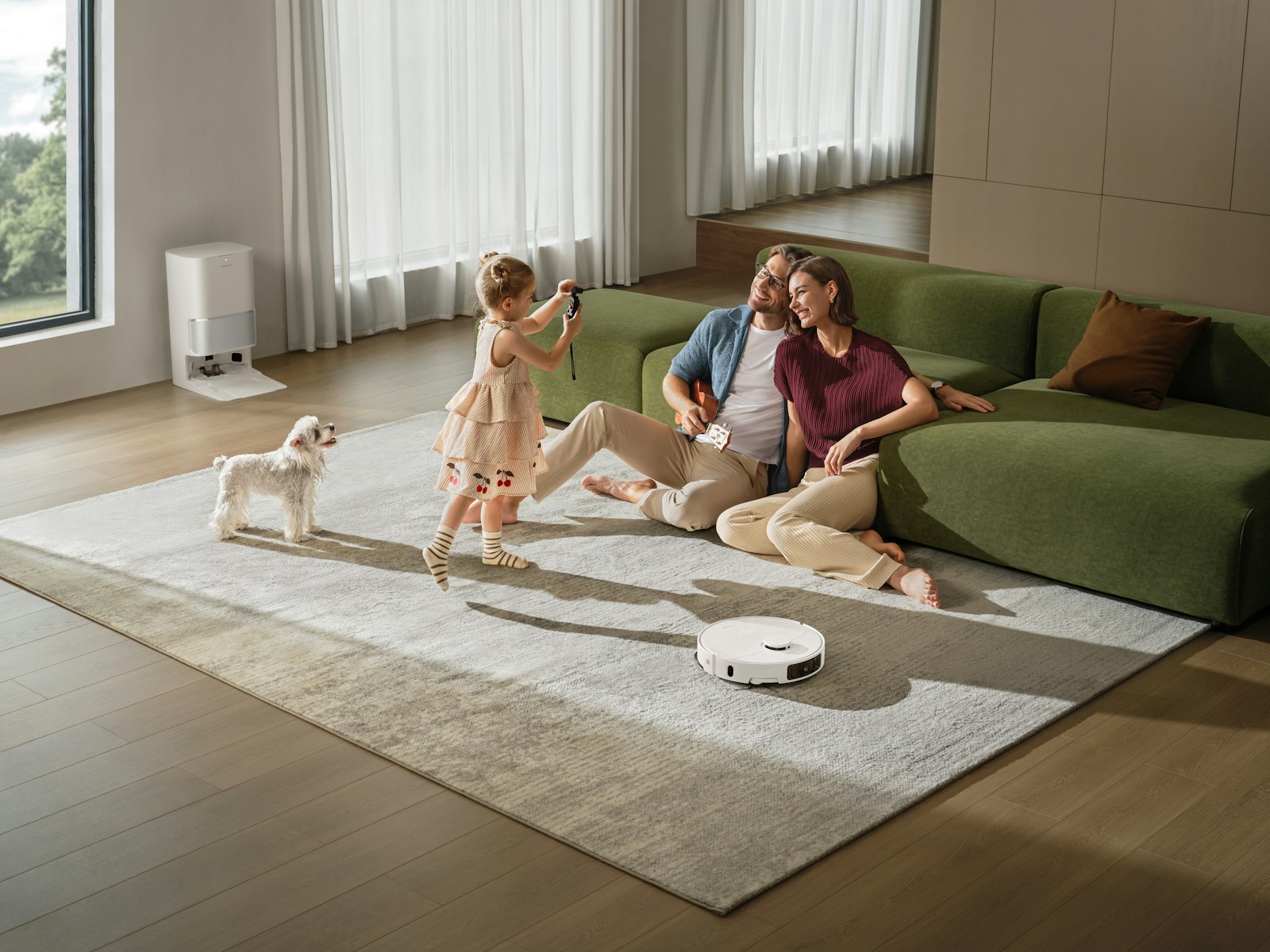
For decades, we were promised a future where robots would help around the house — cleaning floors, cooking meals, and handling daily chores with ease.
That future hasn’t arrived.
As we move into 2026, home robotics sits in an uncomfortable middle ground. It isn’t a failure. But it also isn’t close to becoming an everyday household reality.
Artificial intelligence has advanced rapidly.
Home robots have not.
The Core Problem: Intelligence Isn’t Enough
Today’s AI systems can reason, plan, and generate content. But a home robot needs more than intelligence. It needs reliable physical control.
Inside a real home, a robot must:
- move through cluttered rooms
- recognize objects in poor lighting
- handle fragile items safely
- react to people, pets, and unexpected obstacles
These tasks are trivial for humans — and still extremely difficult for machines.
Homes Are Harder Than Factories
Robots work well in factories because those environments are controlled and predictable.
Homes are the opposite.
Furniture moves. Toys appear. Pets behave unpredictably. Every house is different. Designing one robot that works well everywhere remains a major challenge.
Hardware Limits Slow Everything Down
Unlike software, robots depend on physical components:
- motors
- sensors
- batteries
- cameras
- durable frames
Each improvement costs time and money. Failures are expensive. Safety concerns add more constraints. This slows progress far more than most people realize.

Why Some Home Robots Do Work
Not all home robots fail.
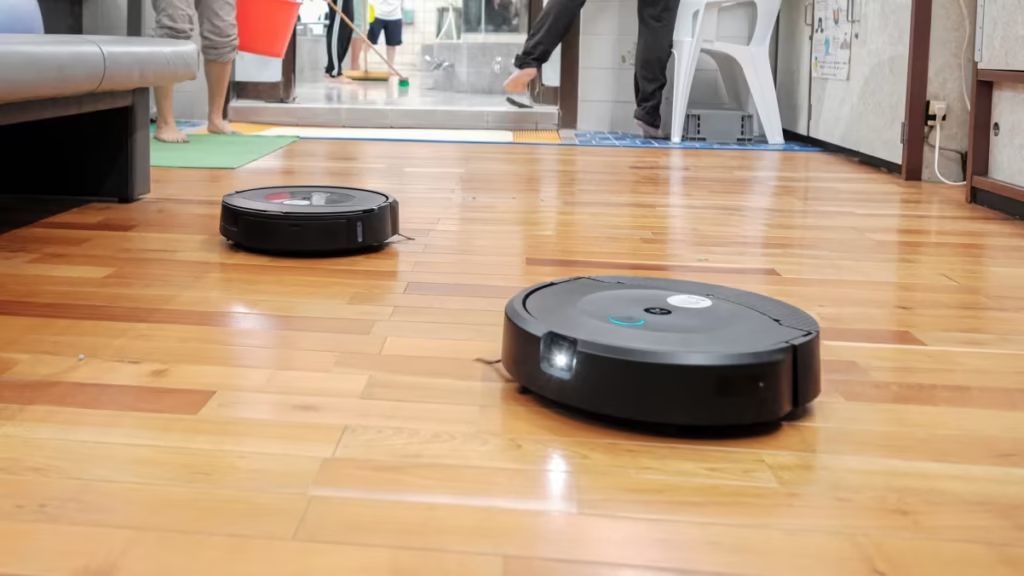
Robot vacuums and lawn mowers succeed because they:
- perform one specific task
- operate in limited environments
- avoid complex manipulation
They show that focused robots can work — general-purpose ones cannot (yet).
Cost and Trust Still Matter
Even when robots function well, adoption remains slow.
Many people worry about:
Until these concerns are clearly addressed, most households will wait.
What the Near Future Actually Looks Like
Instead of humanoid helpers, the next phase of home robotics will likely bring:
- smarter appliances
- task-specific assistants
- limited, well-defined automation
Progress will be gradual, not revolutionary.
Frequently Asked Questions
Why don’t we have advanced home robots yet?
Because real homes are unpredictable and physical movement is difficult for machines.
Did AI breakthroughs fix this?
They improved decision-making, not physical reliability.
Why do robot vacuums work?
They focus on one simple task.
Is cost the main issue?
Cost, safety, reliability, and trust all play a role.
Will home robots improve over time?
Yes — but in small, practical steps.
Bottom Line
Home robotics isn’t stalled because the idea is bad.
It’s stalled because the real world is hard.
Robots will reach homes gradually — not as science fiction promised, but as quiet, useful tools that do one job well.
Sources CNN

