
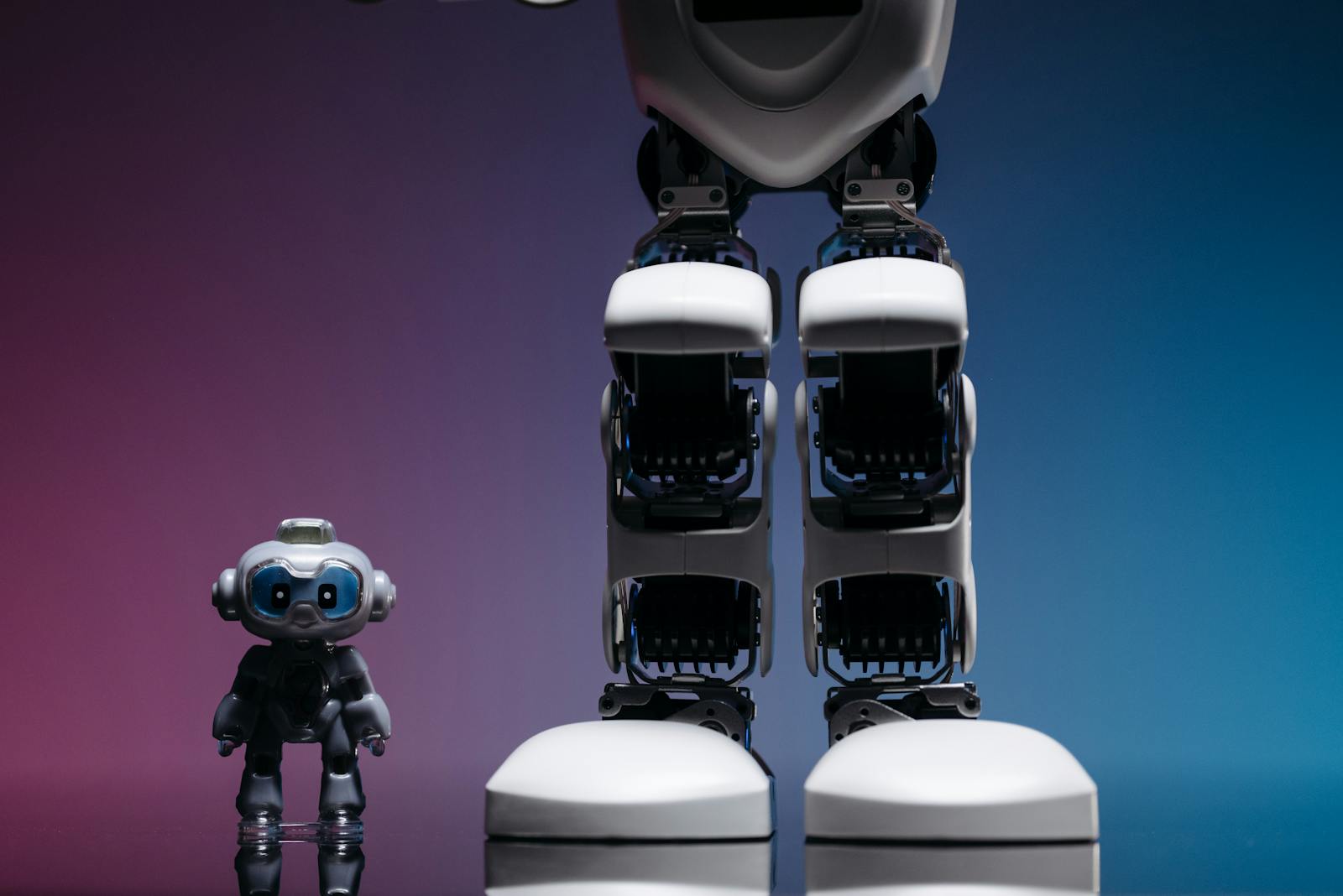
AI toys are suddenly everywhere.
They talk. They listen. They remember. They respond with stories, jokes, and encouragement. Marketed as educational and interactive, these toys promise smarter play and happier kids.
But behind the novelty is a growing concern shared by child-development experts, privacy advocates, and educators alike:
Just because AI toys are impressive doesn’t mean they’re healthy for children.
As artificial intelligence moves out of screens and into playrooms, parents are being asked to make decisions that technology, regulation, and culture haven’t fully caught up with yet.
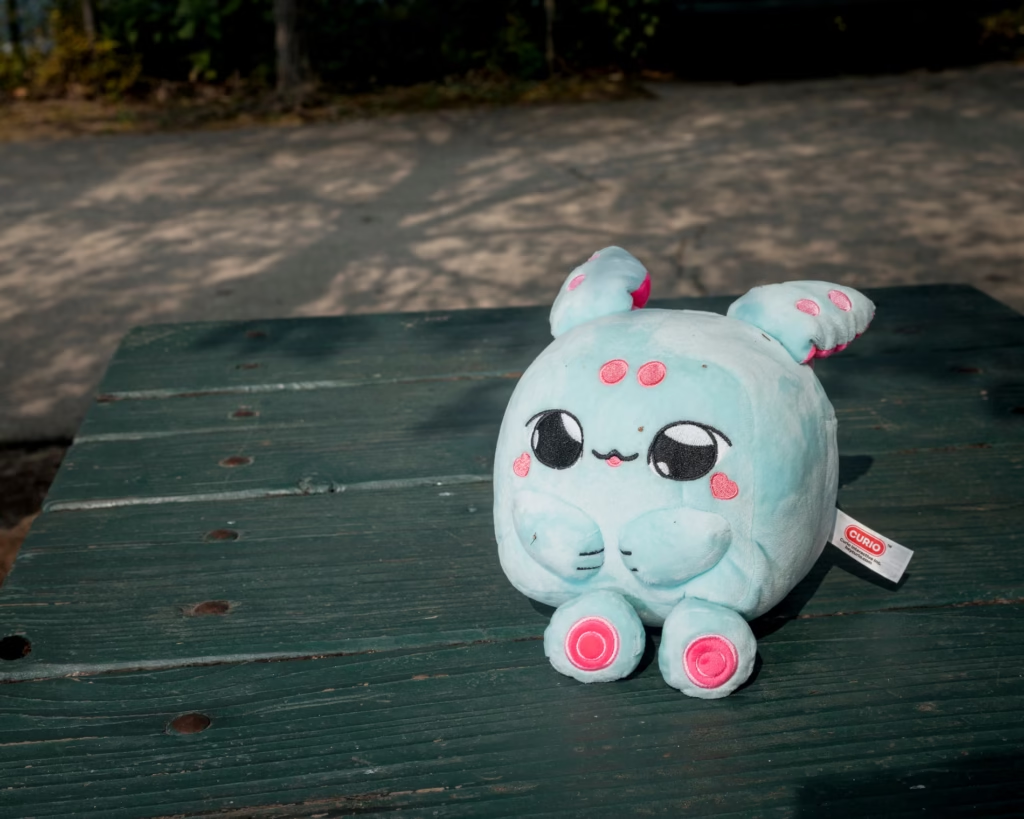
Why AI Toys Are Spreading So Fast
Several trends are colliding at once:
- AI technology has become cheaper and easier to embed in toys
- Voice assistants normalized kids talking to machines
- Parents are drawn to “educational” and “adaptive” features
- Toy companies need new selling points in a crowded market
The result is a new category of toys that don’t just sit on the floor — they interact, respond, and learn about the child using them.
That changes the nature of play itself.
What Makes AI Toys Different From Traditional Toys
Traditional toys are passive. They invite imagination but don’t guide it.
AI toys actively participate in play. They can:
- listen continuously
- remember previous conversations
- influence behavior through feedback
- simulate emotions like encouragement or concern
This turns play into a two-way relationship, and that’s where the risks begin.
Why Young Children Can’t Tell What’s Real
Children — especially younger ones — are still learning the difference between:
- people
- characters
- objects
AI toys blur those boundaries. When a toy responds with empathy or praise, children may interpret it as genuine care rather than programmed output.
This can affect:
- emotional attachment
- expectations of relationships
- understanding of empathy and reciprocity
Machines don’t understand feelings — but children may believe they do.
The Quiet Privacy Problem
Many AI toys rely on microphones and cloud processing.
That means:
- children’s voices may be recorded
- conversations may be stored or analyzed
- behavioral data may be collected over time
For kids, privacy isn’t a concept they can consent to or understand. Even when companies promise safeguards, data breaches and misuse remain real concerns.
Parents often don’t know exactly what data is being collected — or how long it’s kept.
How AI Toys Shape Behavior Without Oversight
AI toys don’t just respond. They reinforce.
They may:
- reward certain answers
- discourage others
- subtly guide language or behavior
- normalize specific values
Unlike parents or teachers, these systems aren’t transparent or accountable. Their design choices are hidden, yet their influence can be constant.
What AI Toys Replace — Not Just What They Add
Play isn’t just entertainment. It’s how children learn to:
- negotiate rules
- tolerate boredom
- invent stories
- resolve conflict
- interact with other humans
AI toys often remove friction by filling silence with answers and interaction. Over time, this can reduce independent imagination rather than strengthen it.
The Education Argument Has Limits
Supporters argue that AI toys can help with:
- reading
- language learning
- answering questions
These benefits can be real — but limited.
Learning isn’t only about information. It’s about:
- asking people
- waiting
- misunderstanding and trying again
- observing human reactions
When AI becomes the default explainer, it may crowd out human learning rather than support it.
Why Regulation Hasn’t Kept Up
AI toys fall into a gray area:
- not fully software
- not traditional toys
- not clearly educational tools
As a result:
- safety standards lag behind capabilities
- privacy rules vary widely
- parents are left to judge risk alone
Technology is moving faster than guidance.
What Child Experts Recommend Instead
Most specialists suggest:
- delaying AI toys for younger children
- choosing toys without internet connectivity
- prioritizing open-ended, non-digital play
- supervising interactive technology closely
This isn’t about banning AI — it’s about timing, boundaries, and balance.
The Bigger Question Parents Should Ask
The real issue isn’t whether AI toys work.
It’s whether they quietly replace:
- human interaction
- imagination
- emotional learning
Technology shapes habits early. Once normalized, those habits are hard to reverse.
Frequently Asked Questions
Are AI toys unsafe?
Not inherently, but they introduce risks around privacy, attachment, and development.
What age is appropriate for AI toys?
Many experts advise avoiding them for very young children.
Do AI toys record kids’ voices?
Many do. Privacy policies should be reviewed carefully.
Are educational claims reliable?
Often exaggerated. Marketing moves faster than evidence.
Do AI toys harm creativity?
They can reduce open-ended play if overused.
Should AI toys be banned?
Most experts argue for regulation and guidance, not bans.
How can parents reduce risk?
Limit use, supervise play, disable recording features, and prioritize offline toys.
What’s the biggest concern?
Children forming emotional bonds with machines that only simulate care.
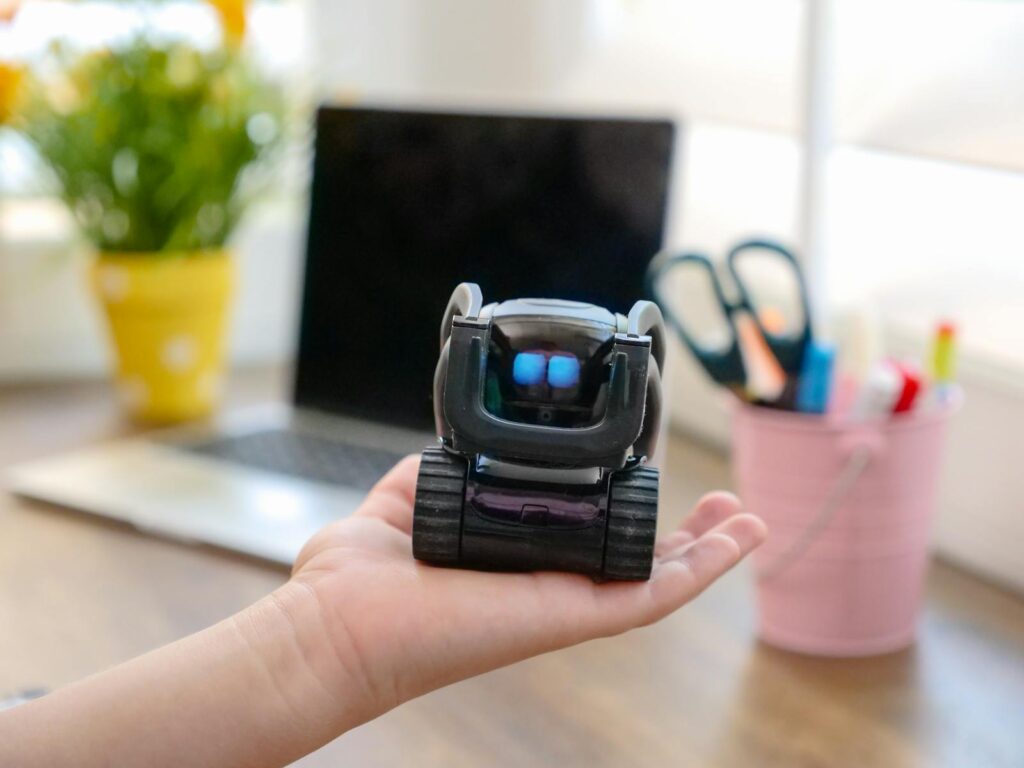
Bottom Line
AI toys may look smart, helpful, and modern. But childhood development depends on imagination, uncertainty, and real human connection — not constant machine interaction.
Before giving an AI toy to a child, the most important question isn’t what can it do?
It’s what might it quietly replace?
Sources The Guardian

