
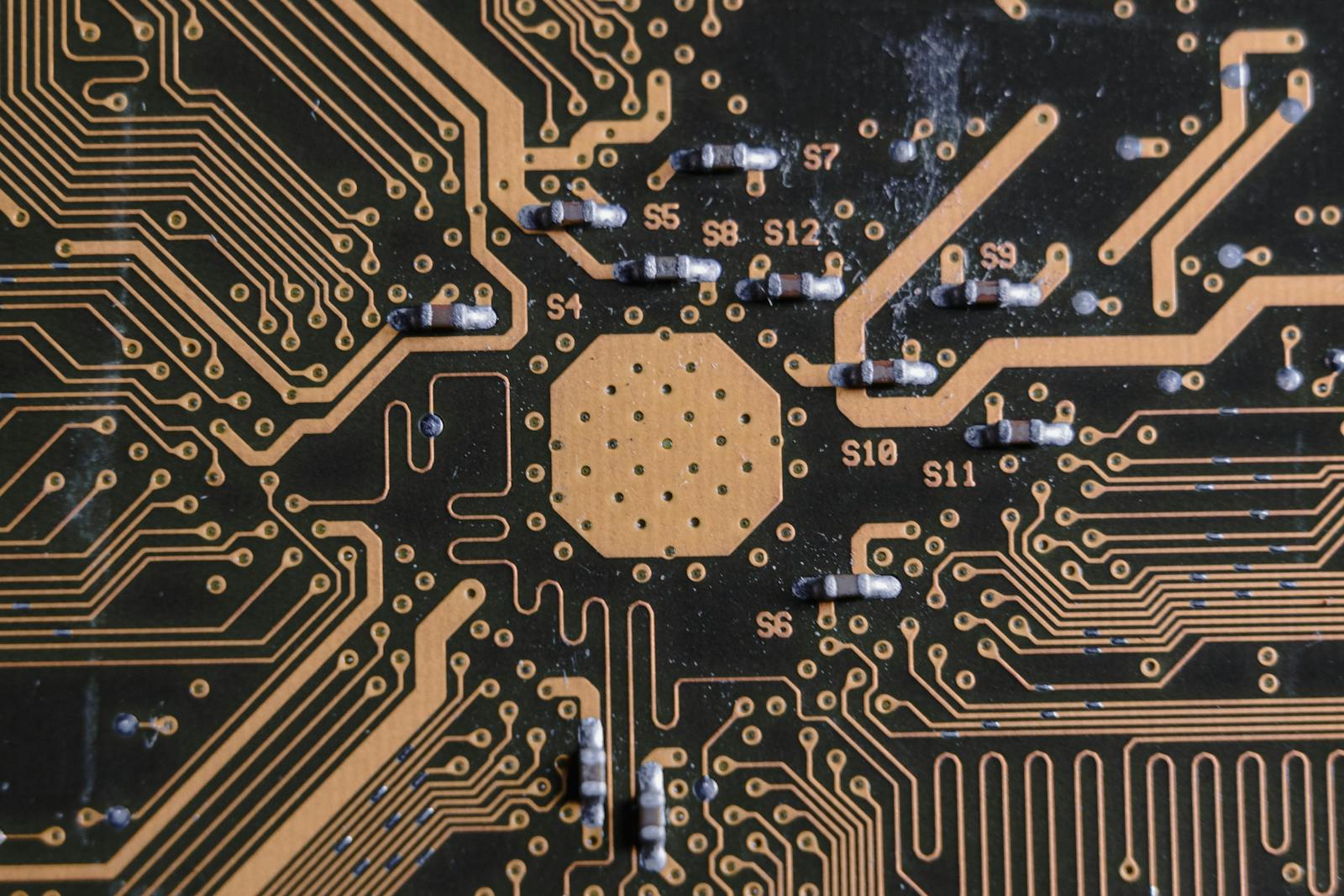
The global race to build artificial intelligence has become one of the largest infrastructure projects in modern history. Trillions of dollars are flowing into data centers, specialized AI chips, and cloud capacity as companies and governments rush to secure a foothold in the AI era.
But beneath the excitement sits an uncomfortable question that few have fully reckoned with:
What happens to AI hardware when it ages, breaks, or becomes obsolete?
As the AI buildout accelerates, the lifecycle of AI chips — from manufacturing to disposal — is emerging as a major economic, environmental, and strategic challenge. And it could shape how sustainable the AI boom really is.

Why AI Chips Are Different From Past Tech Hardware
AI chips are not like traditional computer processors.
They are:
- extremely expensive
- energy-intensive to manufacture
- optimized for narrow workloads
- rapidly replaced by newer generations
A single high-end AI accelerator can cost tens of thousands of dollars. Data centers deploy them by the tens or hundreds of thousands. And unlike consumer electronics, these chips don’t trickle slowly into obsolescence — they can become uncompetitive in just a few years.
This creates a hardware churn problem unlike anything the tech industry has faced before.
The Fast Obsolescence Cycle
AI models grow larger and more complex every year. To stay competitive, companies constantly upgrade to faster, more efficient chips.
That means:
- chips are retired long before they physically fail
- older hardware struggles to run newer models efficiently
- resale markets are limited due to specialized design
In many cases, a chip that still works perfectly well is sidelined because it’s no longer cost-effective at scale.
The Environmental Cost of AI Hardware
Manufacturing AI chips is resource-heavy. It involves:
- rare earth metals
- water-intensive fabrication processes
- high carbon emissions
- complex global supply chains
When chips are discarded early, those embedded environmental costs are effectively wasted.
Disposal creates additional issues:
- electronic waste accumulation
- limited recycling options for advanced semiconductors
- potential leakage of toxic materials
As AI infrastructure grows, so does the footprint of unused and retired hardware.
Why Recycling AI Chips Is So Hard
Unlike simple electronics, AI accelerators are:
- densely packed
- highly customized
- difficult to disassemble
- hard to economically recycle
Recovering valuable materials is expensive and technically challenging. As a result, many chips are stockpiled, resold into niche markets, or simply decommissioned with limited reuse.
This raises concerns that the AI boom could quietly become a major source of high-value e-waste.
The Financial Risk No One Likes to Talk About
Beyond environmental issues, hardware lifecycles create financial risk.
Companies are betting billions on chips that:
- may depreciate faster than expected
- could be stranded by new architectures
- depend on continued AI demand growth
If AI adoption slows or shifts direction, firms could be left holding vast amounts of expensive, underused hardware.
This is especially risky for:
- cloud providers
- startups leasing compute
- investors backing AI infrastructure
The AI boom assumes not just growth — but continuous growth.
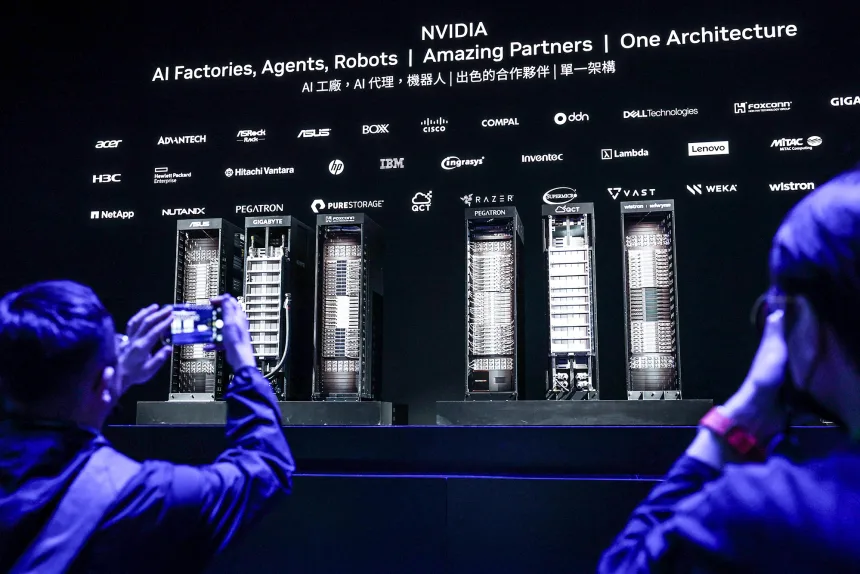
Supply Chains, Security, and Control
AI chips are also geopolitically sensitive.
Their lifecycle raises questions about:
- export controls
- resale into restricted markets
- data security on retired hardware
- intellectual property leakage
Governments are increasingly concerned about where used AI chips end up and how they might be repurposed.
Why the Industry Built First and Asked Questions Later
The speed of the AI boom left little time for planning.
Companies focused on:
- securing compute capacity
- beating competitors to scale
- satisfying investor expectations
Long-term questions about reuse, recycling, and sustainability were often deferred. Now, as data centers fill up, those questions can’t be ignored.
Possible Paths Forward
There are ways to soften the lifecycle problem — but they require coordination.
1. Longer Hardware Lifespans
Optimizing software to run efficiently on older chips could reduce waste and cost.
2. Secondary Markets
Repurposing retired chips for less demanding workloads, research, or smaller companies.
3. Better Recycling Technologies
Investing in semiconductor-specific recycling methods.
4. Smarter Procurement
Avoiding overbuilding and matching hardware more closely to real demand.
Why This Matters for the Future of AI
AI’s success depends not just on intelligence — but on infrastructure discipline.
If the industry fails to manage chip lifecycles responsibly, the AI boom risks:
- escalating environmental damage
- financial instability
- political backlash
- stricter regulation
In other words, hardware could become the bottleneck that slows software ambition.
Frequently Asked Questions
Why are AI chips replaced so quickly?
Because newer models demand higher performance and efficiency, making older chips less competitive.
Do old AI chips still work?
Yes, but often not efficiently enough for cutting-edge workloads.
Can AI chips be reused?
Sometimes, but resale markets are limited due to specialization.
Is AI creating a new e-waste problem?
Potentially, yes — especially if hardware lifecycles remain short.
Why is recycling AI chips difficult?
They are complex, dense, and expensive to process.
Who bears the financial risk of obsolete chips?
Cloud providers, investors, and companies that overbuilt capacity.
Are governments concerned about used AI hardware?
Yes, particularly regarding security and export controls.
Could this slow the AI boom?
If not addressed, lifecycle costs could limit sustainable growth.
Are companies planning for this now?
Some are beginning to, but the industry is still early in addressing it.
What’s the main takeaway?
AI’s biggest challenge may not be intelligence — but what happens when the hardware ages out.
Bottom Line
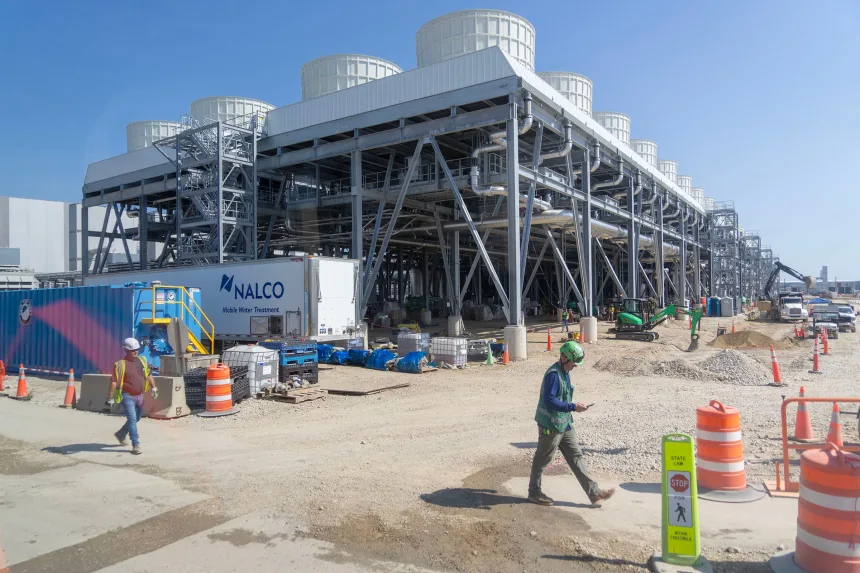
The multitrillion-dollar AI buildout has a hidden wrinkle: hardware doesn’t last forever, and replacing it isn’t cheap or clean. As AI scales, managing the full lifecycle of chips — from fabrication to retirement — will be just as important as building smarter models.
The future of AI won’t be decided only by algorithms. It will also be shaped by how responsibly the industry handles the machines that power them.
Sources CNN

