

For years, OpenAI has symbolized the promise of artificial intelligence: astonishing technical progress, massive cultural impact, and the sense that we were witnessing the birth of a transformative industry.
But behind the breakthroughs lies a quieter, more uncomfortable question:
Can OpenAI — and companies like it — actually afford to keep going?
Growing skepticism among investors, analysts, and even AI enthusiasts isn’t about whether OpenAI’s technology works. It’s about whether the current economics of large-scale AI are sustainable at all.
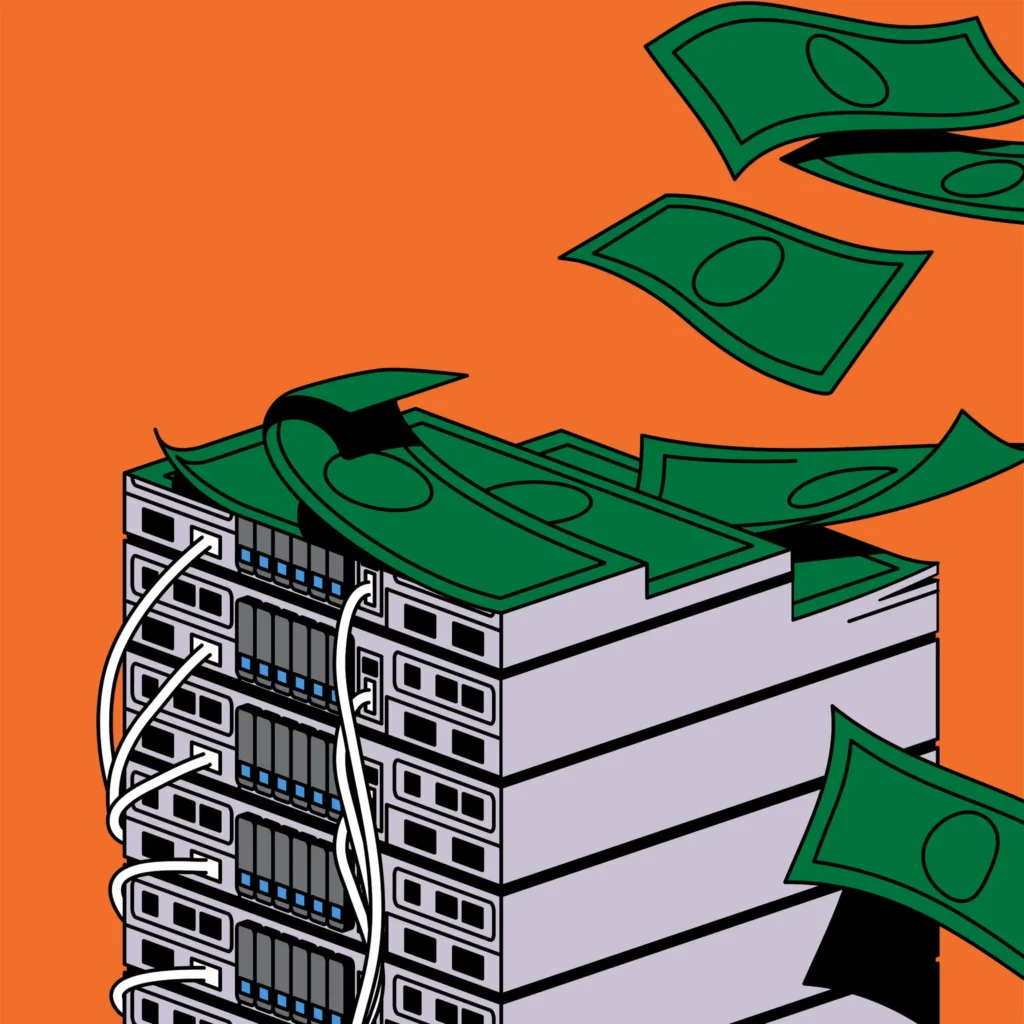
The Core Concern: AI Is Incredibly Expensive to Run
Large language models are not like traditional software.
They require:
- Massive data centers
- Specialized chips (GPUs and AI accelerators)
- Enormous electricity consumption
- Continuous retraining and updating
- Large engineering and research teams
Every user query costs money. Every improvement increases computational demand. Success, paradoxically, raises expenses.
This creates a fundamental tension: the more popular AI becomes, the more it costs to operate.
Why Revenue Hasn’t Caught Up With Costs
Subscriptions Don’t Scale Like Infrastructure
Paid AI subscriptions generate revenue, but not at the same rate that compute costs grow.
Problems include:
- Users expect low prices
- Competition drives down margins
- Heavy users are expensive but often pay the same as light users
Unlike cloud computing, AI pricing doesn’t yet reflect true usage costs.
Enterprise Deals Aren’t a Silver Bullet
While enterprise licensing sounds lucrative, it brings:
- Customization costs
- Support overhead
- Compliance and security expenses
- Long sales cycles
Enterprise revenue grows slowly compared to infrastructure spending.
The Capital Problem: Burning Cash to Stay Ahead
OpenAI and similar companies face a unique bind:
- Stop spending, and competitors catch up
- Keep spending, and losses grow
Training cutting-edge models requires billions in upfront capital. Investors may tolerate losses — but only if a credible path to profitability exists.
The concern is not that OpenAI lacks funding today, but that its funding needs may grow faster than investor patience.
The AI Arms Race Makes Things Worse
AI development is not happening in isolation.
Competitors include:
- Tech giants with massive cash reserves
- State-backed research programs
- Well-funded startups chasing niche dominance
This arms race forces companies to:
- Train ever-larger models
- Deploy faster
- Accept thinner margins
Winning technically doesn’t guarantee winning economically.

Why Scale Doesn’t Automatically Mean Profit
In traditional tech, scale reduces costs per user.
In AI:
- More users = more compute
- Better models = higher operating costs
- Increased usage ≠ cheaper service
Economies of scale are weaker than expected.
Hidden Costs Often Overlooked
The debate often ignores:
- Energy volatility and environmental costs
- Supply constraints on advanced chips
- Talent retention expenses
- Regulatory compliance
- Safety and alignment research
These are not optional costs — they are structural.
What the Original Argument Didn’t Fully Explore
AI Pricing Psychology
Consumers and businesses are conditioned to expect digital services to be cheap or free. Resetting that expectation is difficult.
Infrastructure Dependency
AI firms depend heavily on cloud providers and chip manufacturers, limiting pricing power.
Geopolitical Risk
Export controls, energy policy, and regulation can dramatically alter cost structures overnight.
Not Just an OpenAI Problem
If OpenAI struggles, it may signal a broader issue with the economics of frontier AI, not a single company’s mismanagement.
Possible Paths Forward — None Easy
AI companies may try to:
- Raise prices (risking user loss)
- Limit usage (reducing appeal)
- Specialize in high-margin niches
- Rely on deep-pocketed partners
- Accept long-term losses as strategic investments
Each path has trade-offs.
Why This Matters Beyond One Company
If frontier AI cannot sustain itself financially:
- Innovation may consolidate among a few giants
- Open research may decline
- Smaller players may disappear
- AI progress could slow or narrow
The structure of the industry — not just its technology — is at stake.
Frequently Asked Questions
Is OpenAI actually about to go bankrupt?
Not imminently. The concern is long-term sustainability, not short-term collapse.
Can AI become profitable eventually?
Possibly, but it may require new pricing models, hardware breakthroughs, or regulatory shifts.
Why don’t companies just charge more?
Because users and businesses are highly price-sensitive, and competition is intense.
Is this unique to OpenAI?
No. Many AI companies face similar cost pressures.
Will governments step in?
Some may, especially where AI is seen as strategic infrastructure.
Does this mean the AI bubble will burst?
Not necessarily. A correction or consolidation is more likely than total collapse.

The Bottom Line
The question surrounding OpenAI isn’t whether its technology is impressive.
It is.
The real question is whether the current model of building, running, and monetizing frontier AI can survive its own success.
If OpenAI struggles to make the numbers work, it won’t just be a company problem.
It will be a signal that the AI revolution — for all its promise — still hasn’t figured out how to pay for itself.
Sources The New York Times

