
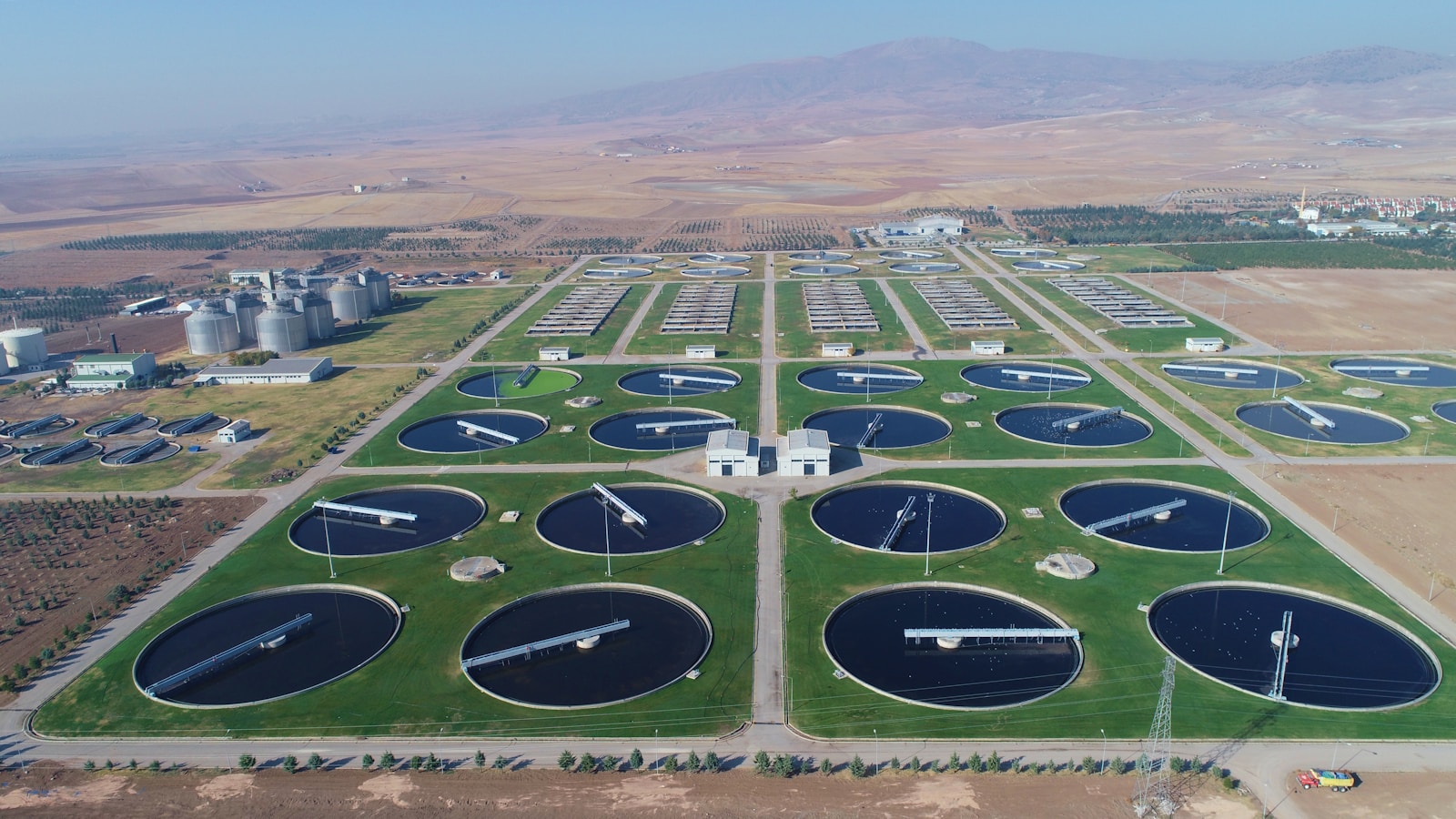
When Microsoft pledged to become “water positive,” the promise sounded like a clear signal that Big Tech could grow responsibly. But as artificial intelligence explodes in scale, that pledge is running headlong into an uncomfortable reality: AI data centers are extraordinarily thirsty.
In the age of AI, water is becoming as critical to computing as electricity — and the tension between sustainability goals and technological ambition is only intensifying.
Why AI Data Centers Use So Much Water
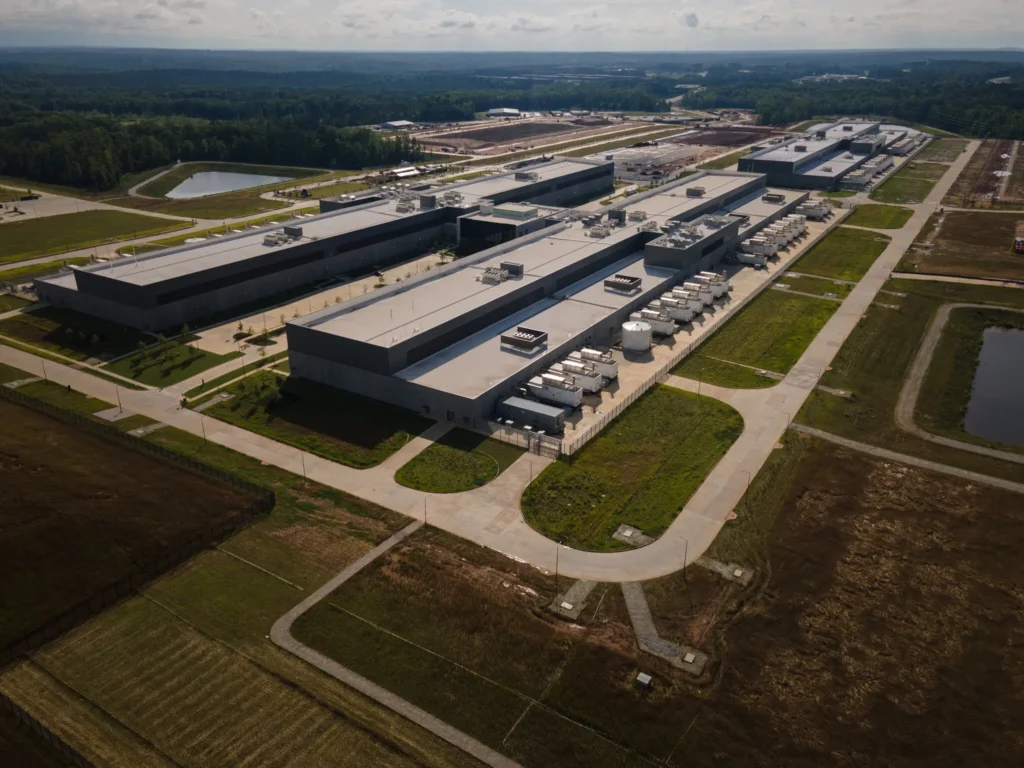
Modern AI relies on massive data centers packed with high-performance chips. These facilities generate enormous heat, especially when training and running large AI models.
Water is used primarily for:
- Cooling servers through evaporative systems
- Supporting on-site power generation
- Maintaining stable operating temperatures
- Preventing equipment failure
AI workloads are far more energy-dense than traditional cloud computing, which means cooling demands rise sharply.
Why Microsoft’s Water Pledge Is Under Pressure
Microsoft committed to replenishing more water than it consumes by 2030. That includes:
- Investing in water restoration projects
- Improving water efficiency
- Supporting local watershed initiatives
But AI changes the math.
As Microsoft rapidly expands:
- AI data centers
- Cloud infrastructure
- Partnerships with AI startups
its absolute water use is projected to increase significantly, even if efficiency improves.
In short: doing “more with less” is being overtaken by doing far more overall.
Where the Water Comes From — and Who Pays the Cost
Data centers are often built in regions that offer:
- Cheap land
- Tax incentives
- Access to power
Unfortunately, these regions frequently face:
- Drought conditions
- Agricultural water stress
- Growing populations
Communities near data centers worry that:
- Local water supplies will be strained
- Industrial use will compete with farms and households
- Environmental impacts won’t be evenly shared
This turns AI infrastructure into a local political issue, not just a corporate one.
Why AI Makes Sustainability Harder Than Past Tech Booms
Previous waves of digital growth focused on software efficiency. AI flips that model.
AI progress depends on:
- Scale
- Redundancy
- Constant operation
Efficiency gains often fail to offset:
- Larger model sizes
- More frequent retraining
- Rising global demand for AI services
This phenomenon — sometimes called the “rebound effect” — means efficiency can actually increase total resource use.
What the Public Debate Often Misses
Water Is a Limiting Resource
Unlike energy, water can’t always be sourced from elsewhere easily or cheaply.
Transparency Is Limited
Companies often disclose carbon data more clearly than water usage.
Local Impact Matters More Than Global Metrics
Water stress is regional, not abstract.
AI Infrastructure Is Long-Lived
Once built, data centers lock in water demand for decades.
What Tech Companies Are Doing to Reduce Water Use
Microsoft and its peers are experimenting with:
- Closed-loop cooling systems
- Air-cooled or liquid-immersion technologies
- Recycled and non-potable water use
- Locating data centers in cooler climates
These measures help — but none eliminate water use entirely.
The Energy–Water Tradeoff
Reducing water use can increase energy consumption, and vice versa.
For example:
- Air cooling uses less water but more electricity
- Water cooling is energy-efficient but water-intensive
Balancing these tradeoffs is increasingly complex as AI workloads scale.
Why This Is a Governance Challenge, Not Just a Technical One
The issue isn’t simply whether Microsoft can meet its pledge.
It’s whether:
- Communities have a real say in infrastructure decisions
- Environmental costs are fairly distributed
- Sustainability promises align with business realities
AI growth is happening faster than regulatory frameworks designed to manage its resource footprint.
What Happens If AI Growth Continues Unchecked
Without stronger oversight:
- Water-stressed regions could face shortages
- Public backlash against data centers may grow
- Governments may impose stricter limits
- AI expansion could slow due to infrastructure constraints
Ironically, water — not computing power — could become the bottleneck for AI.
Frequently Asked Questions
Why do AI data centers need so much water?
Primarily for cooling high-performance servers that generate extreme heat.
Is Microsoft breaking its water pledge?
Not necessarily, but rising usage makes the goal harder to achieve in practice.
Can AI data centers run without water?
Some designs reduce water use, but fully water-free systems are rare and costly.
Do communities benefit from hosting data centers?
They may gain jobs and tax revenue, but also face environmental tradeoffs.
Is this problem unique to Microsoft?
No. All major AI and cloud providers face similar challenges.
Could regulation limit AI water use?
Yes, especially in drought-prone regions, but policies are still evolving.
The Bottom Line
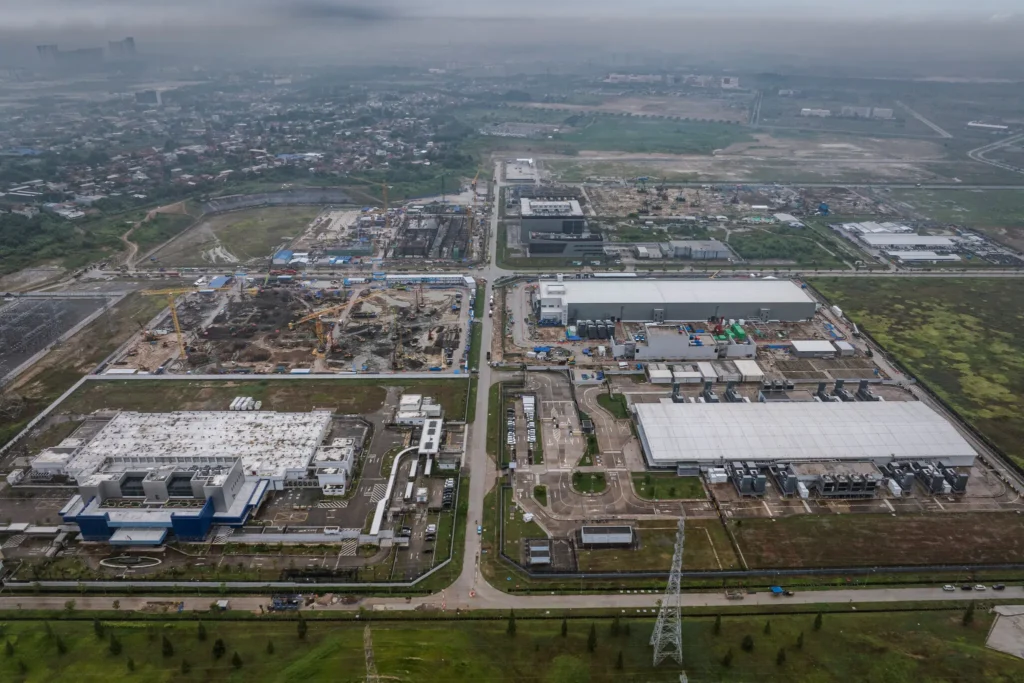
Artificial intelligence isn’t just a digital revolution — it’s a physical one, with real demands on land, power, and water.
Microsoft’s water pledge highlights a central tension of the AI era: can tech companies scale intelligence without exhausting natural resources?
As AI reshapes the economy, sustainability commitments will be tested not by intentions, but by infrastructure.
In the end, the success of AI may depend as much on water management as on algorithms — because even the smartest machines still need something very human and very finite to keep running.
Sources The New York Times

