
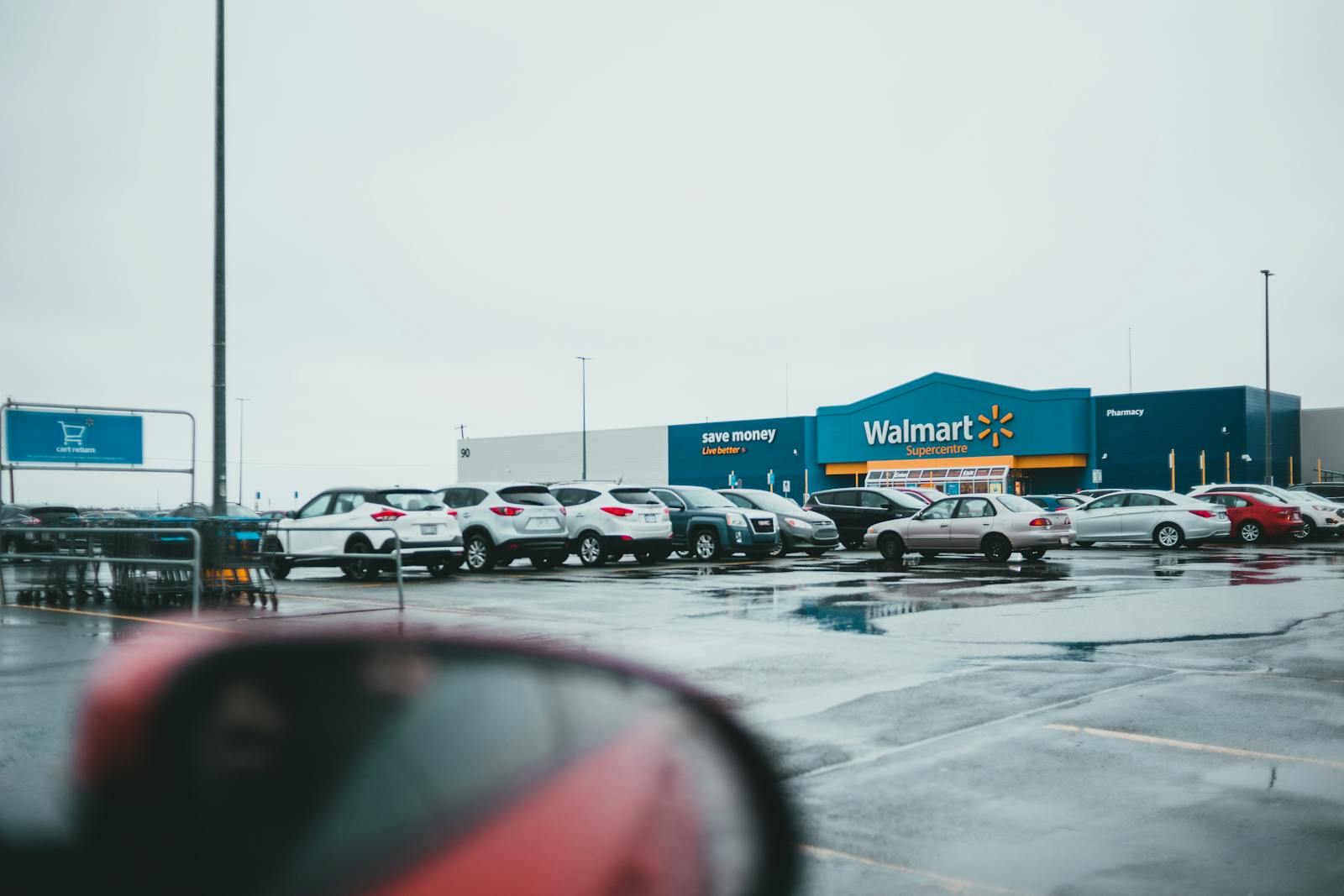
Walmart’s rise to a trillion-dollar market value marks one of the most significant moments in modern business history. Once seen as a traditional brick-and-mortar retailer built on low prices and massive stores, Walmart has quietly transformed itself into a technology-driven, data-powered, omnichannel giant. This milestone is not just about stock price — it reflects a fundamental shift in how the world’s largest retailer operates, competes, and grows.
This article explores how Walmart reached this valuation, what’s often overlooked in the conversation, and what it means for consumers, competitors, and the global economy.

From Discount Retailer to Global Powerhouse
For decades, Walmart’s success was built on scale: huge purchasing power, efficient logistics, and relentless cost control. But those strengths alone don’t explain a trillion-dollar valuation in today’s market.
The real story is reinvention.
Walmart didn’t abandon its roots — it upgraded them.
The Engines Behind Walmart’s Trillion-Dollar Valuation
1. E-Commerce Finally Hit Critical Mass
Walmart spent years trailing Amazon in online retail. That gap has narrowed dramatically.
Key factors include:
- Deep integration of online ordering with physical stores
- Same-day pickup and delivery using existing store networks
- Aggressive pricing supported by scale
- Improved user experience and faster fulfillment
Unlike pure e-commerce rivals, Walmart uses its stores as fulfillment hubs — turning a legacy asset into a strategic advantage.
2. Advertising Became a Major Profit Engine
One of the most underappreciated drivers of Walmart’s valuation is retail media.
Walmart’s advertising business allows brands to:
- Promote products directly to shoppers
- Target ads using purchase and browsing data
- Measure real sales impact
This business carries much higher margins than traditional retail, and investors increasingly value Walmart as part retailer, part media platform.
3. Data and Technology Are Now Core Assets
Walmart is no longer just selling goods — it’s monetizing data.
Through:
- Customer behavior analytics
- Inventory optimization algorithms
- AI-driven demand forecasting
- Automation in warehouses and supply chains
Walmart has improved efficiency while lowering costs. These capabilities make earnings more predictable — a key factor in higher valuations.
4. Logistics at Unmatched Scale
Walmart operates one of the largest and most sophisticated logistics networks in the world.
Recent investments include:
- Automation and robotics in fulfillment centers
- AI-driven routing and inventory management
- Last-mile delivery partnerships
- Faster restocking cycles
This infrastructure is extremely difficult for competitors to replicate.

5. A Broader Definition of “Retail”
Walmart today is not just a store. It’s a platform.
Its ecosystem now includes:
- Financial services
- Health clinics and pharmacies
- Subscriptions and memberships
- Advertising and data services
- Third-party marketplace sellers
This diversification reduces reliance on low-margin product sales and supports long-term growth.
What the Headlines Often Miss
Walmart’s Advantage Isn’t Speed — It’s Trust
Consumers trust Walmart on price, availability, and reliability. That trust matters more as inflation, supply shocks, and economic uncertainty reshape spending habits.
Physical Stores Are a Strength, Not a Liability
While many retailers closed stores, Walmart leaned into its physical footprint. Stores function as:
- Fulfillment centers
- Pickup locations
- Local distribution nodes
This hybrid model is difficult for online-only competitors to match profitably.
Walmart Benefited From Economic Volatility
Periods of inflation and uncertainty often push consumers toward value retailers. Walmart captured market share from both discount and premium competitors, strengthening its position during turbulent times.
What This Means for the Retail Industry
Walmart’s valuation sends a clear signal:
- Scale + technology beats scale alone
- Data and logistics matter as much as storefronts
- Retailers must be platforms, not just sellers
Competitors now face a tougher reality: competing with Walmart means competing with a company that blends retail, tech, media, and logistics into a single system.
Risks and Challenges Ahead
Despite its success, Walmart faces ongoing challenges:
- Margin pressure from price competition
- Rising labor and logistics costs
- Regulatory scrutiny over data and market power
- Intensifying competition in e-commerce and advertising
A trillion-dollar valuation also raises expectations — sustaining it will require continued execution and innovation.
Frequently Asked Questions
Why is Walmart valued at a trillion dollars now?
Investors see Walmart as a diversified platform with strong cash flow, technology capabilities, advertising revenue, and long-term growth — not just a traditional retailer.
Is Walmart more like Amazon now?
In some ways, yes. Both combine retail, logistics, technology, and advertising. Walmart’s advantage lies in its physical store network and price leadership.
Does this mean prices will go up?
Not necessarily. Walmart’s business model depends on competitive pricing, though margins may increasingly come from ads, services, and efficiency rather than higher prices.
Can Walmart maintain this valuation?
That depends on continued growth in e-commerce, advertising, and services — and its ability to control costs while scaling technology investments.
What does this mean for smaller retailers?
It raises the bar significantly. Competing now requires strong differentiation, niche focus, or platform partnerships rather than scale alone.

Final Thoughts
Walmart’s trillion-dollar milestone is not an accident or a market anomaly. It’s the result of a slow, deliberate transformation from a price-driven retailer into a technology-enabled commerce platform.
The lesson is clear: in the modern economy, even the most traditional businesses can redefine themselves — if they are willing to evolve.
Walmart didn’t just grow bigger.
It grew smarter.
Sources The New York Times

