

The construction industry has long been seen as one of the least digitized and most resistant to automation. That perception is starting to change. Bedrock, an artificial intelligence start-up focused on construction technology, recently raised $270 million, marking one of the largest funding rounds ever for an AI-driven construction company.
This milestone is about more than a single company. It highlights how AI, robotics, and data-driven systems are beginning to reshape an industry that builds the physical world — from roads and bridges to housing and commercial real estate.
This article expands on the original reporting by exploring why Bedrock attracted such massive investment, what makes construction ripe for AI disruption, what challenges remain, and what this means for the future of work in construction.
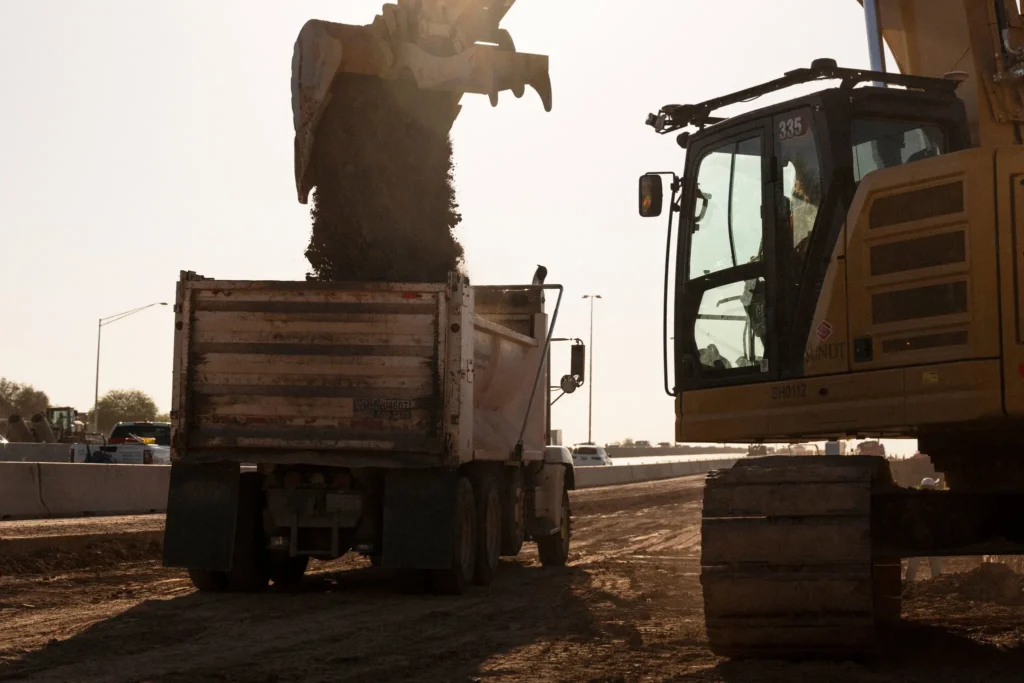
Why Construction Is Finally Ready for AI
Construction is a massive global industry, worth trillions of dollars annually, yet it suffers from persistent problems:
- Labor shortages
- Cost overruns and delays
- Safety risks
- Low productivity growth compared to other sectors
For years, these issues were considered unavoidable. AI and robotics are now challenging that assumption.
What Bedrock Actually Does
Bedrock focuses on AI-powered robotics and software designed specifically for construction environments. Unlike traditional industrial robots that operate in controlled factories, construction robots must handle:
- Unstructured, changing environments
- Uneven terrain
- Weather conditions
- Human workers moving around them
Bedrock’s systems combine:
- Computer vision to understand job sites
- Machine learning to adapt to conditions in real time
- Robotics hardware capable of physical tasks
- Software platforms that integrate with construction workflows
The goal is not to replace construction crews entirely, but to automate the most dangerous, repetitive, and time-consuming tasks.
Why Investors Are Paying Attention
1. Construction Has Enormous Untapped Efficiency
Even small productivity improvements can unlock billions of dollars in value. AI-driven automation can:
- Reduce project delays
- Improve material usage
- Lower accident rates
- Increase output without increasing headcount
That kind of leverage is attractive to investors.
2. Labor Shortages Are Structural, Not Temporary
Many countries face aging construction workforces and fewer young workers entering the trades. Robotics offers a way to:
- Keep projects moving despite labor constraints
- Reduce physical strain on workers
- Make construction jobs safer and more attractive
This makes AI adoption less optional and more inevitable.
3. Construction Data Is Finally Becoming Usable
Modern job sites now generate data through:
- Drones
- Sensors
- Digital blueprints
- Project management software
Bedrock’s AI systems are designed to turn this fragmented data into actionable insights, something that wasn’t feasible a decade ago.
What the Funding Will Likely Be Used For
A $270 million raise suggests aggressive expansion plans, including:
- Scaling robotics manufacturing
- Expanding deployments across large construction firms
- Hiring AI, robotics, and safety specialists
- Improving software platforms and autonomy
- Entering new markets and project types
It also signals investor confidence that Bedrock’s technology can move beyond pilots into widespread commercial use.
What Coverage Often Misses
Construction AI Is Harder Than Factory Automation
Factories are controlled environments. Construction sites are not. AI systems must:
- Handle uncertainty
- React to unexpected changes
- Work safely alongside humans
This makes success harder — but also creates a higher barrier to entry for competitors.
Adoption Is Cultural, Not Just Technical
Construction is relationship-driven and risk-averse. Convincing firms to trust AI on job sites requires:
- Proven safety records
- Clear return on investment
- Worker training and buy-in
Bedrock’s challenge is as much about change management as technology.
Regulation and Safety Matter More Here
Mistakes in construction can be deadly. AI systems must meet strict safety standards and integrate with existing regulations. This slows deployment — but also favors well-funded companies that can afford rigorous testing and compliance.
What This Means for Construction Workers
AI in construction is often misunderstood as a job killer. In reality, it is more likely to:
- Shift workers into supervisory and technical roles
- Reduce physical strain and injury
- Improve job site safety
- Increase demand for skilled operators and technicians
Rather than replacing workers, AI may help sustain the industry as labor becomes scarcer.
Risks and Challenges Ahead
Despite the optimism, several risks remain:
- High costs of robotics hardware
- Integration with legacy construction processes
- Resistance from unions or crews
- Economic slowdowns that reduce building activity
AI in construction is promising, but not guaranteed.
Frequently Asked Questions
What is Bedrock?
Bedrock is an AI-driven construction technology start-up focused on robotics and software designed for real-world job sites.
Why did Bedrock raise so much money?
Construction is a massive, inefficient industry. Investors see AI and robotics as a way to unlock significant productivity gains at scale.
Will robots replace construction workers?
Unlikely. Most systems are designed to assist workers, automate hazardous tasks, and improve efficiency rather than eliminate jobs.
When will construction AI become common?
Adoption will be gradual. Large firms and infrastructure projects will lead, with broader use over the next decade.
What makes construction AI harder than other robotics?
Job sites are unpredictable environments that require advanced perception, decision-making, and safety systems.

Final Thoughts
Bedrock’s $270 million funding round is a clear signal that AI’s next frontier is physical, messy, and deeply human.
Construction may not move as fast as software, but when it changes, the impact is enormous. If Bedrock and similar companies succeed, they won’t just transform an industry — they’ll reshape how the world is built.
AI is no longer just writing code or analyzing data.
It’s picking up tools and stepping onto the job site.
Sources The New York Times

