

Ford is no longer just a car company. Increasingly, it is becoming a technology and services platform—especially for businesses that rely on fleets of vehicles. With the launch of new artificial intelligence capabilities within its Ford Pro division, the automaker is aiming to transform commercial transportation through data, automation and predictive intelligence.
The initiative reflects a broader shift across the automotive industry: vehicles are evolving from standalone machines into connected, AI-powered systems that generate valuable data and ongoing services. For Ford, the opportunity lies in using artificial intelligence to strengthen its rapidly growing commercial business—one that already generates billions in annual revenue.
If successful, Ford’s AI strategy could reshape how companies manage vehicles, reduce operating costs and turn commercial fleets into one of the most profitable segments of the automotive industry.
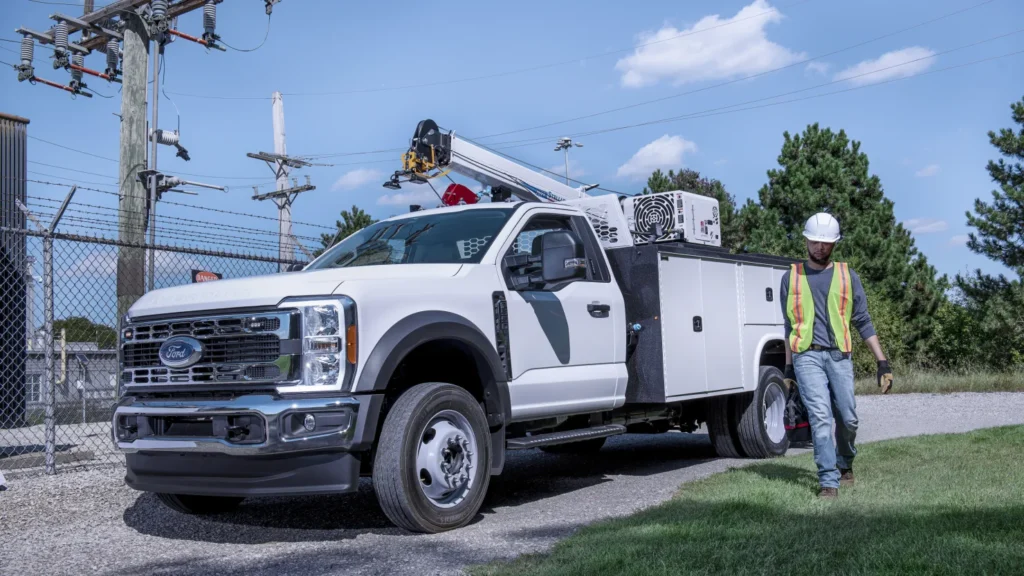
The Rise of Ford Pro
Ford Pro was created to serve commercial customers, including:
- construction companies
- delivery services
- utility providers
- government agencies
- small business owners
- logistics companies
These customers operate fleets ranging from a handful of vehicles to thousands.
Ford Pro offers a combination of:
- commercial vehicles
- software platforms
- fleet management tools
- maintenance services
- charging infrastructure for electric fleets
The division has quickly become a major revenue driver for the company.
Fleet customers often purchase vehicles in large volumes and maintain long-term service contracts, making them particularly valuable to automakers.
Where Artificial Intelligence Comes In
Ford’s new AI capabilities aim to optimize how fleets operate.
Commercial vehicles generate enormous amounts of data through sensors, onboard computers and connected systems. AI can analyze this information to improve efficiency and reduce costs.
Ford’s AI tools focus on areas such as:
- predictive maintenance
- route optimization
- vehicle utilization analysis
- driver behavior insights
- energy management for electric fleets
By processing fleet data in real time, AI systems can identify problems before they occur and recommend operational improvements.
Predictive Maintenance: Preventing Breakdowns
One of the most valuable applications of AI for fleet operators is predictive maintenance.
Instead of waiting for a vehicle to break down, AI systems analyze data from components such as:
- engines
- batteries
- brakes
- transmission systems
- tire sensors
By detecting early warning signs, AI can alert fleet managers that a vehicle may need servicing soon.
This helps companies avoid costly downtime.
For delivery or logistics businesses, even a single disabled vehicle can disrupt operations and lead to lost revenue.
Smarter Fleet Operations
AI can also help companies operate their fleets more efficiently.
For example, software can analyze driving patterns and suggest:
- optimized delivery routes
- reduced idle time
- improved fuel efficiency
- safer driving practices
These insights help fleet managers lower operating costs while improving reliability.
Over time, AI systems learn from operational data, allowing recommendations to become more precise.
Electric Vehicles and Energy Optimization
Electric commercial vehicles are becoming an important part of Ford’s strategy.
However, managing electric fleets introduces new challenges, including:
- charging schedules
- battery performance monitoring
- energy costs
AI tools can analyze energy usage and recommend the best times to charge vehicles, especially when electricity prices vary throughout the day.
This can significantly reduce operating expenses for businesses transitioning to electric fleets.

Turning Vehicles Into Data Platforms
Modern commercial vehicles are equipped with advanced telematics systems that collect large amounts of information.
This data includes:
- vehicle location
- engine performance
- driver behavior
- energy consumption
- maintenance history
By applying artificial intelligence to these datasets, Ford can deliver insights that go far beyond traditional vehicle ownership.
In many ways, the vehicle becomes part of a digital ecosystem where software services are just as important as hardware.
The Business Model Shift
Automakers historically made most of their money by selling vehicles.
But software and data services offer recurring revenue opportunities.
Ford Pro’s AI tools could generate income through:
- subscription-based fleet management platforms
- predictive maintenance services
- energy optimization tools
- connected vehicle analytics
This model resembles how technology companies generate revenue through software subscriptions.
For automakers, it represents a fundamental shift in strategy.
Competition in the Smart Fleet Market
Ford is not alone in pursuing AI-powered fleet services.
Other companies exploring similar strategies include:
- Tesla
- General Motors
- Rivian
- commercial fleet management software firms
Logistics companies and transportation providers increasingly expect advanced digital tools to manage large vehicle networks.
The automaker that delivers the most useful software platform may gain a major competitive advantage.
Challenges Ahead
Despite the promise of AI-driven fleet management, several challenges remain.
Data Security
Fleet data must be protected from cyber threats.
Integration
Companies often operate mixed fleets from multiple manufacturers, making software compatibility important.
Adoption
Fleet managers must learn to trust AI recommendations and integrate them into daily operations.
Infrastructure
Electric fleets require widespread charging infrastructure to scale effectively.
Addressing these challenges will be essential for Ford’s long-term success.
The Bigger Picture: The Software-Defined Vehicle
Ford’s AI strategy reflects a broader transformation across the automotive industry.
Vehicles are becoming software-defined machines capable of continuous improvement through digital updates.
Artificial intelligence will play a central role in this transformation by:
- analyzing vehicle performance
- optimizing operations
- enabling autonomous driving technologies
- connecting vehicles to broader digital ecosystems
For commercial fleets, these capabilities could dramatically increase productivity.
Frequently Asked Questions (FAQ)
Q: What is Ford Pro?
Ford Pro is Ford’s commercial division that provides vehicles, software and services for business customers operating fleets.
Q: How does AI help fleet operators?
AI analyzes vehicle data to improve efficiency, predict maintenance needs and optimize operations.
Q: Why are fleet services important for Ford?
Fleet customers often purchase vehicles in large volumes and provide ongoing revenue through service contracts and software subscriptions.
Q: Can AI prevent vehicle breakdowns?
Predictive maintenance systems can detect early signs of mechanical problems and alert managers before failures occur.
Q: How does AI help electric fleets?
AI can optimize charging schedules, monitor battery health and reduce energy costs.
Q: Are other automakers using AI for fleets?
Yes. Several automotive companies are investing in connected fleet services and software platforms.
Q: Could fleet software become more valuable than vehicles?
In the future, recurring software services may generate significant revenue alongside vehicle sales.

Conclusion
Ford’s AI initiative signals a major shift in how the automotive industry thinks about commercial vehicles.
Instead of simply selling trucks and vans, automakers are building digital ecosystems that help businesses operate more efficiently.
By combining vehicles, software and artificial intelligence, Ford hopes to transform its commercial division into a powerful technology platform.
If the strategy succeeds, the next generation of fleet vehicles won’t just move goods—they will generate data, insights and new business opportunities along the way.
Sources CNBC

