
When people talk about artificial intelligence, they often focus on training massive models—feeding them vast amounts of data so they can learn patterns and generate intelligent outputs. But a major shift is underway in the AI world. The real focus is moving from training to something far more critical for everyday use: inference.
Inference is the stage where AI actually delivers value—answering questions, generating text, recognizing images or making decisions in real time. As AI adoption explodes across industries, inference is rapidly becoming the most important—and most expensive—part of the entire AI ecosystem.
Understanding this shift is key to understanding where the AI industry is heading next.

What Is AI Inference?
In simple terms, inference is when a trained AI model is used to make predictions or generate outputs.
If training is like studying for an exam, inference is like taking the test.
For example:
- When you ask a chatbot a question → that’s inference
- When an AI generates an image → that’s inference
- When a recommendation system suggests a product → that’s inference
Inference happens every time an AI system is used in the real world.
Training vs. Inference: The Key Difference
AI systems operate in two main phases:
Training
- Involves feeding large datasets into models
- Requires enormous computing power
- Happens less frequently (once per model version)
- Extremely expensive but periodic
Inference
- Uses trained models to generate outputs
- Happens continuously in real time
- Scales with the number of users
- Becomes more expensive as usage grows
While training has historically received most of the attention, inference is now becoming the dominant cost driver as AI applications scale globally.
Why Inference Is Suddenly So Important
The explosion of AI applications—chatbots, copilots, search assistants and enterprise tools—means that billions of inference requests are happening every day.
Each interaction requires computing power.
Key reasons inference is gaining importance:
Massive User Demand
AI tools are now used by millions (or billions) of people daily.
Real-Time Expectations
Users expect instant responses, which requires high-performance infrastructure.
Continuous Usage
Unlike training, inference runs constantly—every query, every request.
Enterprise Adoption
Businesses are embedding AI into workflows, increasing demand for reliable, scalable inference systems.
As a result, companies are shifting focus from building models to serving them efficiently at scale.
The Cost of Inference
Inference is not cheap.
Each AI response requires:
- GPU or specialized AI chip processing
- memory usage for large models
- data transfer across networks
- energy consumption
At scale, these costs add up quickly.
For example:
- A single chatbot query may cost fractions of a cent
- Multiply that by billions of queries → massive infrastructure costs
This is why companies are investing heavily in optimizing inference efficiency.
The Rise of AI Infrastructure
The shift toward inference has triggered a boom in AI infrastructure.
Companies are building systems designed specifically to handle large-scale inference workloads.
Key components include:
Data Centers
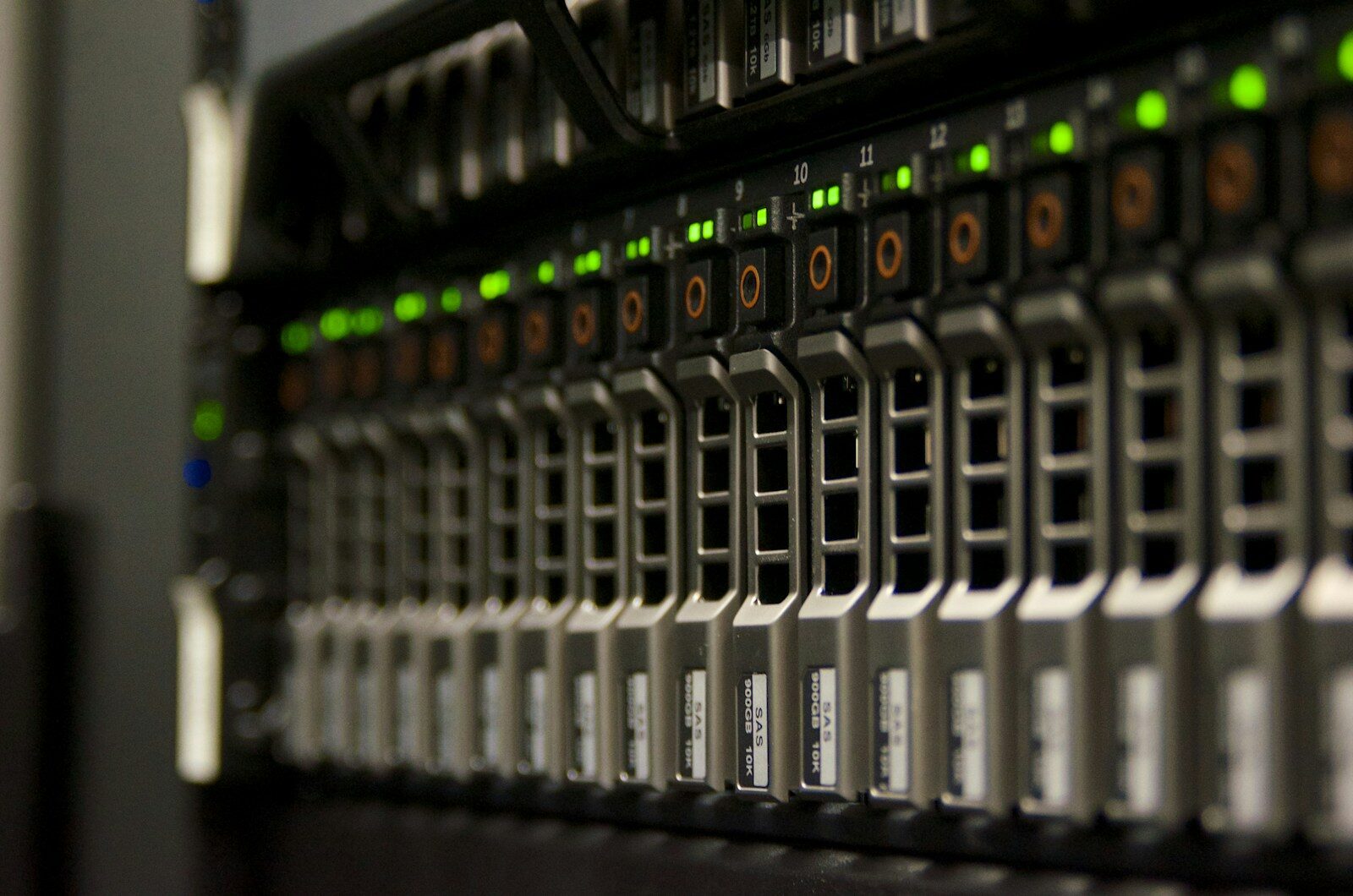
Massive facilities housing GPUs and AI accelerators.
Specialized Chips
Companies like Nvidia, AMD and others are designing chips optimized for inference tasks.
Edge Computing
Processing AI closer to users (on devices or local servers) to reduce latency.
Cloud Platforms
Providing scalable AI services to businesses and developers.
This infrastructure is becoming the backbone of the AI economy.

Inference vs. Training: A New Competitive Battlefield
In the early days of AI, companies competed primarily on who could build the best models.
Now, the competition is shifting toward:
- who can deliver faster responses
- who can reduce costs per query
- who can scale efficiently
- who can provide reliable uptime
This shift is creating a new layer of competition focused on AI deployment, not just development.
The Role of AI Chips
Specialized hardware is critical for efficient inference.
Traditional CPUs are not optimized for AI workloads, so companies rely on:
- GPUs (graphics processing units)
- TPUs (tensor processing units)
- custom AI accelerators
These chips are designed to handle the parallel computations required for AI models.
The demand for inference has made companies like Nvidia central players in the AI ecosystem.
Edge AI: Bringing Inference Closer to Users
One emerging trend is edge AI, where inference happens directly on devices rather than in centralized data centers.
Examples include:
- smartphones running AI assistants locally
- autonomous vehicles processing sensor data in real time
- smart home devices responding instantly without cloud delays
Benefits of edge AI:
- lower latency (faster responses)
- reduced cloud costs
- improved privacy (less data sent to servers)
This approach could reduce pressure on centralized infrastructure while improving user experience.
Energy and Sustainability Challenges
Inference at scale requires enormous energy consumption.
With billions of AI queries happening daily, data centers must:
- consume large amounts of electricity
- manage heat through cooling systems
- maintain constant uptime
This raises concerns about:
- environmental impact
- carbon emissions
- long-term sustainability
Companies are exploring energy-efficient chips and renewable-powered data centers to address these challenges.
The Future of Inference
As AI continues to evolve, inference will play an even larger role.
Future trends may include:
- smaller, more efficient AI models
- faster inference speeds through optimized hardware
- widespread edge AI adoption
- real-time AI integration in everyday devices
- lower-cost AI services for businesses
Ultimately, the success of AI will depend not just on how powerful models are—but on how efficiently they can be deployed and used.
Frequently Asked Questions (FAQs)
1. What is AI inference in simple terms?
Inference is when a trained AI model is used to generate outputs, such as answering questions or making predictions.
2. Why is inference becoming more important than training?
Because inference happens every time a user interacts with AI, making it the primary driver of cost and infrastructure demand.
3. Is inference expensive?
Yes. While individual requests are small, the total cost becomes significant at scale due to billions of daily interactions.
4. What hardware is used for inference?
AI inference typically uses GPUs, TPUs and specialized AI chips designed for high-performance computing.
5. What is edge AI?
Edge AI refers to running AI models locally on devices instead of in cloud data centers, reducing latency and costs.
6. How does inference affect AI companies?
It determines operational costs, scalability and user experience—making it a key competitive factor.
7. Will inference become cheaper over time?
Yes. Advances in hardware, model optimization and infrastructure are expected to reduce costs over time.

Conclusion
The shift from training to inference marks a major turning point in the evolution of artificial intelligence. While building powerful models remains important, the real challenge now lies in delivering those models efficiently to millions—or even billions—of users.
Inference is where AI meets the real world. It determines how fast systems respond, how much they cost to operate and how widely they can be adopted.
As the AI industry continues to grow, the companies that master inference—making it faster, cheaper and more scalable—will define the next era of artificial intelligence.
Sources The Wall Street Journal

