
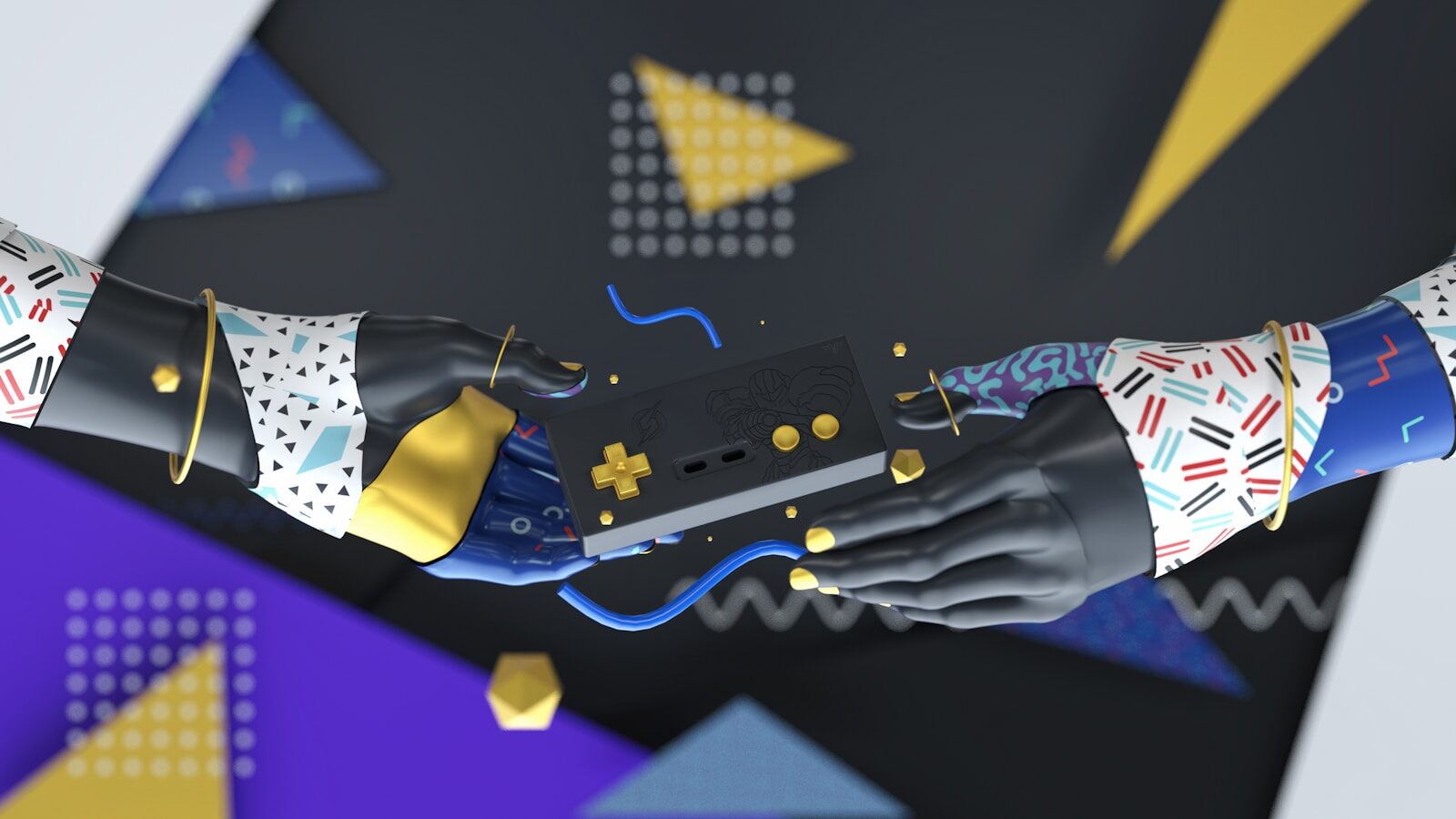
As artificial intelligence rapidly transforms industries, much of the conversation has focused on jobs being replaced. But a quieter—and equally important—shift is underway: entirely new job categories are being created, designed specifically to manage the relationship between humans and AI systems.
Among the most intriguing of these roles is a new title appearing across companies: “Head of Human-AI Solutions.” It signals a broader transformation in the workplace, where success is no longer just about using AI—but about orchestrating collaboration between people and intelligent systems.
This is the next phase of the AI revolution—not replacement, but integration.

The Birth of a New Job Category
Historically, new technologies created roles like:
- IT managers during the internet boom
- data scientists during the big data era
- cloud architects during the shift to cloud computing
Now, AI is creating roles focused on human-machine interaction.
These jobs are not purely technical. Instead, they sit at the intersection of:
- technology
- business strategy
- human behavior
They are designed to answer a critical question:
How do we make AI actually work for people—at scale?
What Does a “Head of Human-AI Solutions” Do?
This emerging role varies by company, but core responsibilities often include:
Designing Human-AI Workflows
Creating systems where humans and AI collaborate efficiently.
Managing AI Integration
Ensuring AI tools are properly implemented across teams and departments.
Improving User Experience
Making AI systems intuitive, useful and aligned with human needs.
Overseeing Ethical Use
Ensuring AI is used responsibly and complies with regulations.
Driving Productivity Gains
Identifying how AI can enhance performance without disrupting workflows.
In essence, this role acts as a bridge between human workers and AI systems.
Why These Roles Are Emerging Now
Several factors are driving the creation of human-AI roles.
1. AI Adoption Is Scaling Rapidly
Companies are deploying AI tools across:
- customer service
- marketing
- engineering
- operations
But without proper management, these tools can:
- create confusion
- reduce efficiency
- produce inconsistent results
2. AI Alone Is Not Enough
Simply introducing AI does not guarantee success.
Organizations must:
- redesign workflows
- train employees
- align tools with business goals
This requires dedicated roles.
3. Complexity Is Increasing
Modern AI systems are:
- powerful but complex
- flexible but unpredictable
Managing them requires both technical understanding and human insight.
4. The Productivity Opportunity
Companies see AI as a way to:
- increase output
- reduce costs
- gain competitive advantage
Human-AI roles help unlock this potential.

Other Emerging Human-AI Roles
Beyond leadership positions, a wide range of new roles is appearing.
AI Workflow Designer
Creates processes that integrate AI into daily operations.
Prompt Engineer / AI Specialist
Optimizes how AI systems are used to produce better results.
AI Trainer / Evaluator
Improves AI performance through feedback and testing.
AI Ethics Officer
Ensures responsible and compliant use of AI technologies.
AI Product Manager
Oversees development and deployment of AI-driven products.
These roles reflect a shift from building AI to managing its impact.
The Skills That Define These Jobs
Human-AI roles require a unique combination of skills.
Technical Literacy
Understanding how AI systems work.
Business Acumen
Aligning AI use with organizational goals.
Communication Skills
Explaining AI concepts to non-technical stakeholders.
Change Management
Helping organizations adapt to new workflows.
Ethical Awareness
Addressing risks related to bias, privacy and accountability.
This hybrid skill set is becoming increasingly valuable.
What Most Articles Don’t Address
While the rise of these roles is exciting, there are deeper implications.
1. AI Is Creating a New Management Layer
Just as the industrial revolution created supervisors for machines, AI is creating managers of intelligence systems.
2. Middle Management Is Being Reinvented
Some traditional management roles may decline, while new ones focused on AI coordination emerge.
3. Power Is Shifting
Employees who understand AI gain influence within organizations.
4. Not All Workers Benefit Equally
Those without access to AI training may be left behind.
The Economic Impact
The emergence of human-AI roles is reshaping the labor market.
New Opportunities
High-paying, specialized roles are being created.
Skill Polarization
Demand is increasing for highly skilled workers, while routine roles decline.
Faster Career Evolution
Professionals must adapt more quickly to changing job requirements.
The Future: AI as a Colleague
The long-term vision is not AI as a tool—but as a collaborator.
In this future:
- humans focus on creativity, judgment and relationships
- AI handles analysis, automation and scale
- new roles manage the interaction between the two
Organizations that master this collaboration will have a significant advantage.
Frequently Asked Questions (FAQ)
Q: What is a “Head of Human-AI Solutions”?
It is a leadership role focused on integrating AI into workflows and managing human-AI collaboration.
Q: Are these roles technical?
They require technical understanding but also involve business strategy and human skills.
Q: Why are companies creating these jobs?
Because simply adopting AI is not enough—organizations need to manage how it is used.
Q: What skills are needed for these roles?
A mix of AI knowledge, communication, business strategy and ethical awareness.
Q: Are these jobs in high demand?
Yes. As AI adoption grows, demand for these roles is increasing.
Q: Will these roles replace traditional jobs?
They will complement and transform existing roles rather than fully replace them.
Q: How can someone prepare for these careers?
By learning AI tools, developing hybrid skills and gaining experience in both technology and business.
Conclusion
The rise of roles like “Head of Human-AI Solutions” marks a turning point in the AI revolution.
The focus is shifting from building smarter machines to working smarter with them.
As organizations navigate this new landscape, the most valuable professionals will not be those who compete with AI—but those who know how to connect, guide and amplify it.
Because the future of work isn’t about humans or machines—it’s about how well they work together.
Sources The Wall Street Journal

