
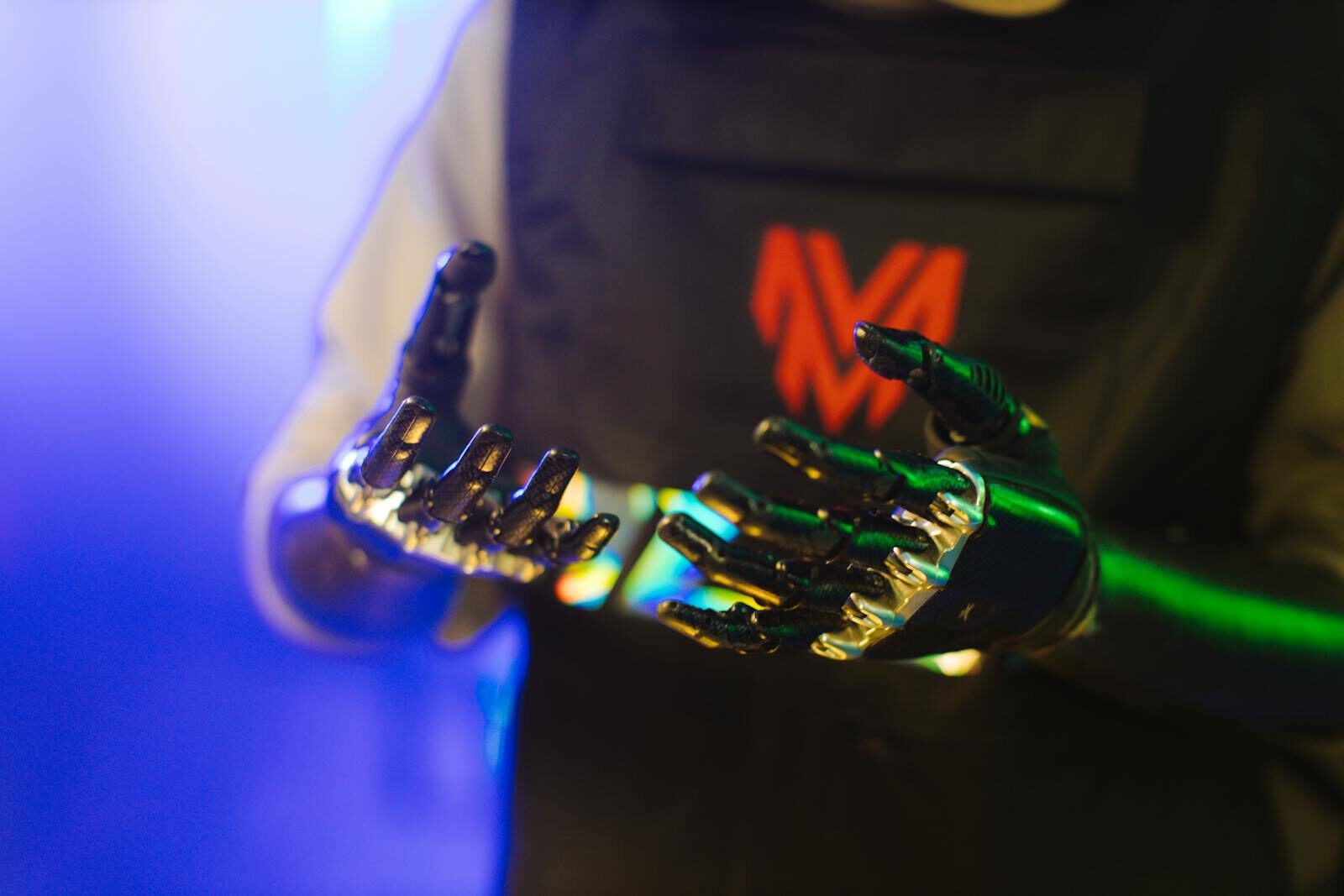
The Next Global Tech Race Has Legs—Literally
For years, the AI race has been about software.
Now?
👉 It’s about machines that can walk, work, and replace human labor.
China is rapidly advancing in humanoid robotics—and something surprising is happening:
👉 U.S. investors are beginning to take serious interest.
This isn’t just about robots.
👉 It’s about the next phase of global technological power.
🤖 China’s Big Bet on Humanoid Robots
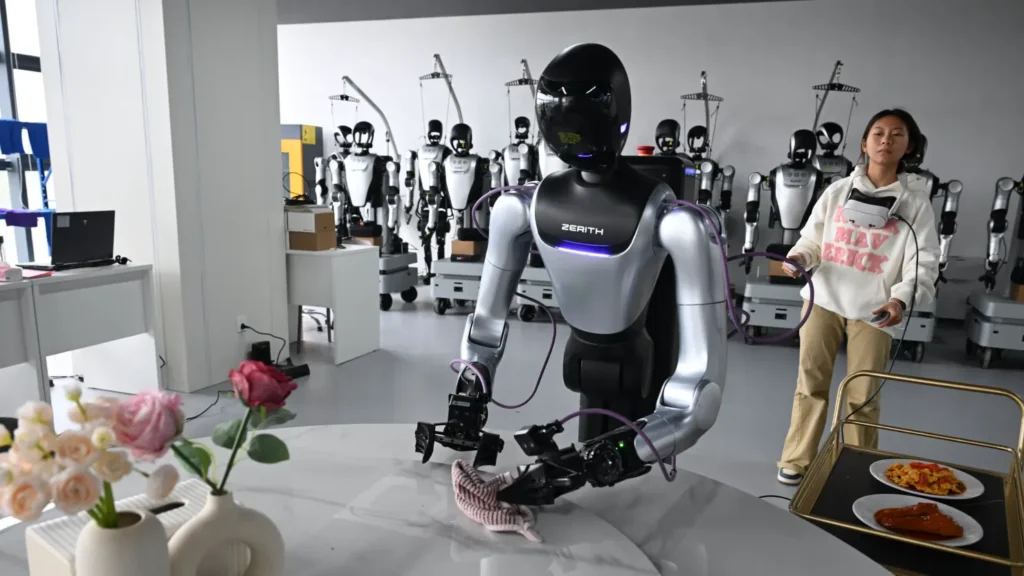
China is investing heavily in humanoid robots designed to:
- Perform industrial tasks
- Assist in logistics
- Work in human environments
- Potentially replace labor shortages
Why humanoid robots?
Because the world is built for humans:
- Tools
- Factories
- Infrastructure
👉 A human-shaped robot can integrate without redesigning everything.
💰 Why U.S. Investors Are Watching Closely
Despite geopolitical tensions, U.S. investors see opportunity.
1. Massive Market Potential
Humanoid robots could impact:
- Manufacturing
- Warehousing
- Healthcare
- Service industries
👉 This is a multi-trillion-dollar opportunity.
2. Faster Development in China
China benefits from:
- Strong manufacturing infrastructure
- Government support
- Rapid prototyping capabilities
👉 This accelerates progress.
3. Labor Shortages Are Global
Countries face:
- Aging populations
- Workforce gaps
👉 Robots are becoming a solution—not a luxury.
4. Early Investment Advantage
Investors want to:
👉 Get in before the market explodes
⚙️ What Makes China Competitive in Robotics
1. Manufacturing Scale
China can:
- Build hardware faster
- Reduce production costs
2. Government Backing
Policies support:
- Robotics development
- AI integration
- Industrial automation
3. Integrated Supply Chains
Access to:
- Components
- Materials
- Assembly
👉 Speeds up innovation cycles.
4. Aggressive Innovation Strategy
Companies are:
- Testing rapidly
- Iterating quickly
- Scaling aggressively
🔍 What the Original Article Didn’t Fully Explore
Let’s go deeper into the broader implications:
1. The U.S.-China Tech Competition Is Expanding
The rivalry is no longer just about:
- Chips
- AI models
👉 It now includes:
Physical AI (robots)
2. Robotics Could Reshape Global Labor Markets
If humanoid robots scale:
👉 They could:
- Reduce reliance on human labor
- Change wage structures
- Shift economic power
3. Investment Comes With Risk
U.S. investors face:
- Regulatory uncertainty
- Political tensions
- Supply chain risks
👉 Returns are not guaranteed.
4. The Rise of “Embodied AI”
AI is moving from:
- Software → Physical systems
👉 Robots represent:
AI that acts, not just thinks.
5. Ethical and Social Questions Are Coming
Humanoid robots raise concerns about:
- Job displacement
- Human-robot interaction
- Safety
⚠️ The Challenges Ahead
1. Technical Limitations
Robots still struggle with:
- Dexterity
- Adaptability
- Real-world complexity
2. High Costs
Development and deployment remain expensive.
3. Public Acceptance
People may:
- Resist working alongside robots
- Feel uncomfortable with humanoid machines
4. Regulation
Governments may impose:
- Safety standards
- Usage restrictions
🏢 Who Benefits Most?
1. Robotics Companies
2. Investors
3. Manufacturing Industries
4. Logistics and Supply Chains
👉 Early adopters gain the most advantage.
🔮 The Future: Robots in the Workforce
We’re heading toward:
👉 A hybrid workforce:
- Humans + humanoid robots
Likely developments:
- Robots in factories
- Robots in warehouses
- Robots assisting in care environments
👉 Full replacement is unlikely—but augmentation is inevitable.
❓ Frequently Asked Questions
1. Why are humanoid robots important?
Because they can operate in environments designed for humans.
2. Why is China leading in this space?
Due to:
- Manufacturing strength
- Government support
- Rapid innovation
3. Why are U.S. investors interested?
Because of:
👉 Massive market potential and early growth opportunities.
4. Will robots replace human jobs?
Some roles may be automated—but new roles will emerge.
5. Are humanoid robots ready for everyday use?
Not yet—but progress is accelerating.
6. What’s the biggest takeaway?
👉 Robotics is becoming the next major frontier in AI.
🔥 Final Thought
The AI race is no longer just about code.
It’s about machines that can move, work, and exist in our world.
And as China pushes forward in humanoid robotics…
👉 The question isn’t just who leads in AI—
It’s who builds the future workforce.
Sources CNBC

