

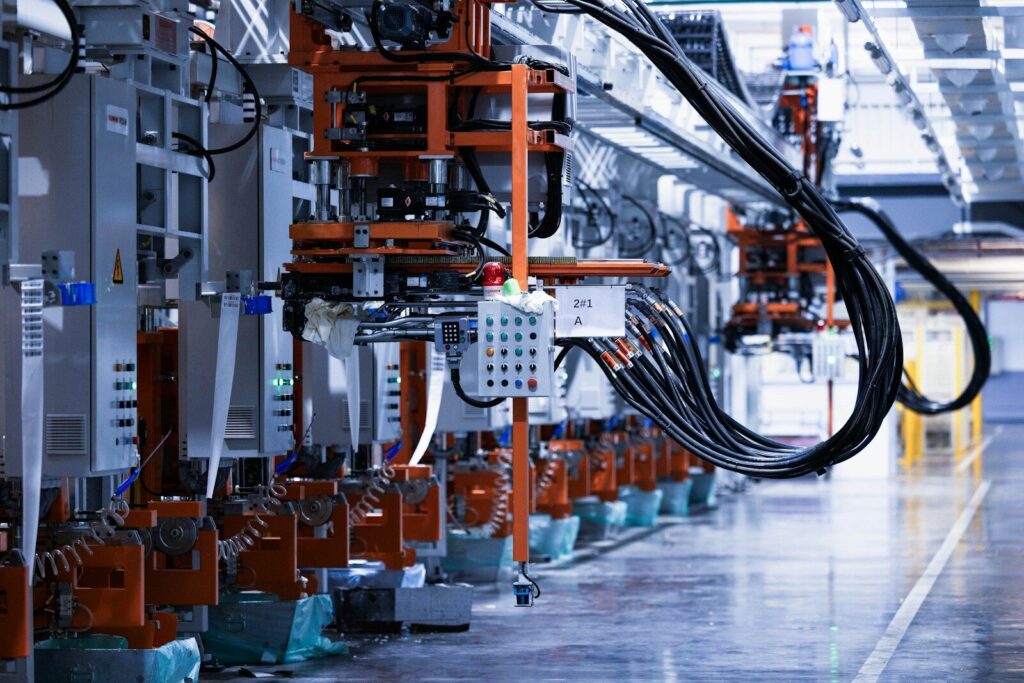
For decades, machines replaced muscle.
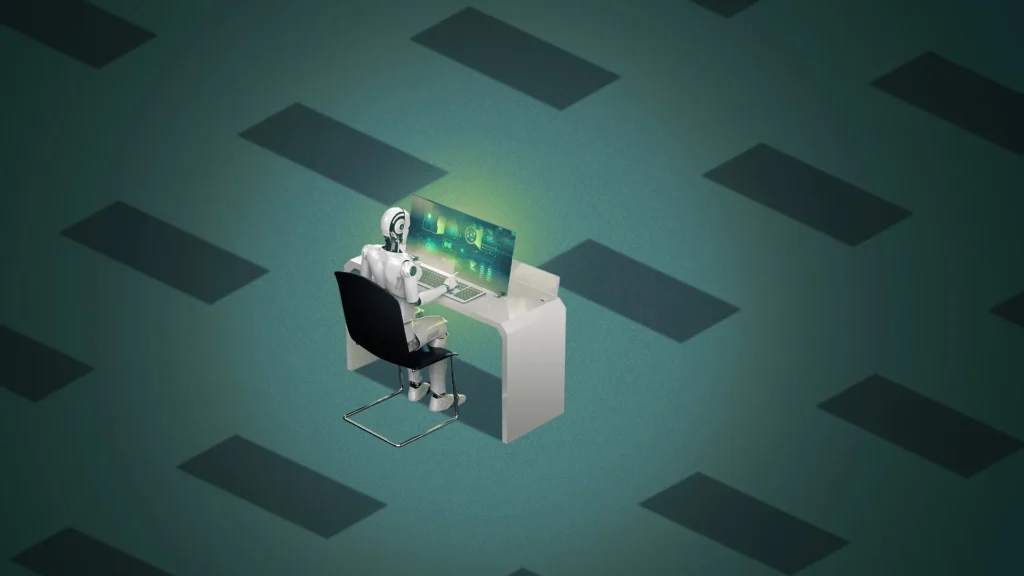
Now, they’re replacing minds.
A growing number of companies are realizing something that’s quietly reshaping the global workforce:
AI is becoming cheaper than human labor—and fast.
This isn’t just a tech trend.
It’s an economic turning point that could redefine how businesses hire, operate, and grow.
The New Equation: Cost Per Task
Businesses make decisions based on one simple question:
“What’s the most efficient way to get this done?”
And increasingly, the answer is:
- AI doesn’t take breaks
- AI doesn’t need benefits
- AI scales instantly
- AI gets cheaper over time
Meanwhile, human labor:
- Requires salaries
- Needs training
- Comes with overhead costs
This shift is changing how companies evaluate cost per task—not cost per employee.
Why AI Is Becoming So Affordable
1. Rapid Technological Advancements
AI models are improving while:
- Becoming more efficient
- Requiring less compute per task
- Delivering better results
2. Competition Is Driving Prices Down
Major players (OpenAI, Google, Microsoft, startups) are:
- Competing aggressively
- Lowering API costs
- Offering better performance at lower prices
3. Specialized AI Tools
Instead of one large system, companies now use:
- Task-specific AI tools
- Lightweight models
- Automation platforms
This reduces cost while increasing efficiency.
4. Economies of Scale
The more AI is used:
- The cheaper it becomes per user
- Infrastructure gets optimized
- Costs are spread across millions
Which Jobs Are Most Affected?
Not all jobs are equally impacted.
1. High-Risk Roles (Task-Based Work)
Jobs involving:
- Repetition
- Predictable workflows
- Digital tasks
Examples:
- Data entry
- Basic customer support
- Content drafting
- Scheduling
2. Medium-Risk Roles (Augmented by AI)
Jobs where AI assists but doesn’t fully replace:
- Marketing
- Coding
- Finance analysis
Humans remain—but productivity expectations rise.
3. Lower-Risk Roles (For Now)
Jobs requiring:
- Human judgment
- Physical presence
- Emotional intelligence
Examples:
- Healthcare
- Skilled trades
- Leadership roles
The Shift From Employees to Systems
Companies are rethinking structure.
Instead of:
- Hiring more people
They’re:
- Building AI-powered systems
- Automating workflows
- Reducing team size
This leads to:
Smaller teams doing more work.
The Hidden Cost Advantage of AI
It’s not just about salary savings.
AI also reduces:
- Hiring time
- Training costs
- Human error
- Turnover risk
And increases:
- Speed
- Consistency
- Scalability
What This Means for Workers
This shift creates both risk and opportunity.
The Risk:
- Job displacement
- Increased competition
- Higher performance expectations
The Opportunity:
- Higher productivity
- New job categories
- AI-augmented careers

The New Workforce Model
We’re entering a world where:
- One person + AI = small company
- Small teams = large output
- Skills > job titles
This is the rise of:
The AI-augmented worker
Why This Isn’t Just About Replacing Jobs
AI isn’t just eliminating roles.
It’s redefining them.
For example:
- Writers become editors of AI output
- Developers become system designers
- Marketers become strategists
The Psychological Impact
Beyond economics, there’s a human effect.
Workers are feeling:
- Uncertainty
- Pressure to upskill
- Fear of being replaced
This is reshaping:
- Career choices
- Education decisions
- Workplace expectations
What Companies Must Balance
While AI is cheaper, companies face trade-offs:
1. Quality vs Cost
AI isn’t perfect.
Human oversight is still needed.
2. Brand and Trust
Customers still value:
- Human interaction
- Authenticity
3. Ethical Responsibility
Replacing workers raises:
- Social concerns
- Reputation risks
The Bigger Economic Shift
This trend could lead to:
1. Wage Pressure
If AI handles more tasks:
- Demand for certain roles may decrease
- Salaries may stagnate or drop
2. Productivity Boom
Companies can:
- Produce more with less
- Scale faster
3. Inequality Risks
Those who:
- Use AI effectively → gain advantage
Those who don’t → fall behind
How Workers Can Stay Competitive
The goal isn’t to compete with AI.
It’s to work with it.
Key strategies:
- Learn AI tools
- Focus on creative and strategic thinking
- Develop communication skills
- Build adaptability
What Happens Next?
Expect:
- More automation across industries
- Continued drop in AI costs
- Redesign of job roles
- New types of employment models
And eventually:
A workforce where AI is not optional—but essential.
Frequently Asked Questions (FAQ)
1. Is AI really cheaper than human workers?
For many digital tasks, yes—especially repetitive and scalable work.
2. Will AI replace all jobs?
No. It will replace tasks, not entire professions.
3. Which jobs are safest?
Roles involving:
- Human interaction
- Complex decision-making
- Physical work
4. How fast is this change happening?
Faster than previous technological shifts—measured in years, not decades.
5. Should I be worried?
Concern is understandable—but adapting is more important than worrying.
6. What skills matter most now?
- Adaptability
- Critical thinking
- AI literacy
7. What’s the biggest takeaway?
The question isn’t:
“Will AI replace me?”
It’s:
“How can I use AI to become more valuable?”
Final Thoughts
The rise of cheaper AI marks a turning point in history.
For businesses, it’s about efficiency.
For workers, it’s about survival and adaptation.
And for society, it raises a bigger question:
What happens when intelligence itself becomes a low-cost resource?
The answer will define the future of work.
Sources Axios

