
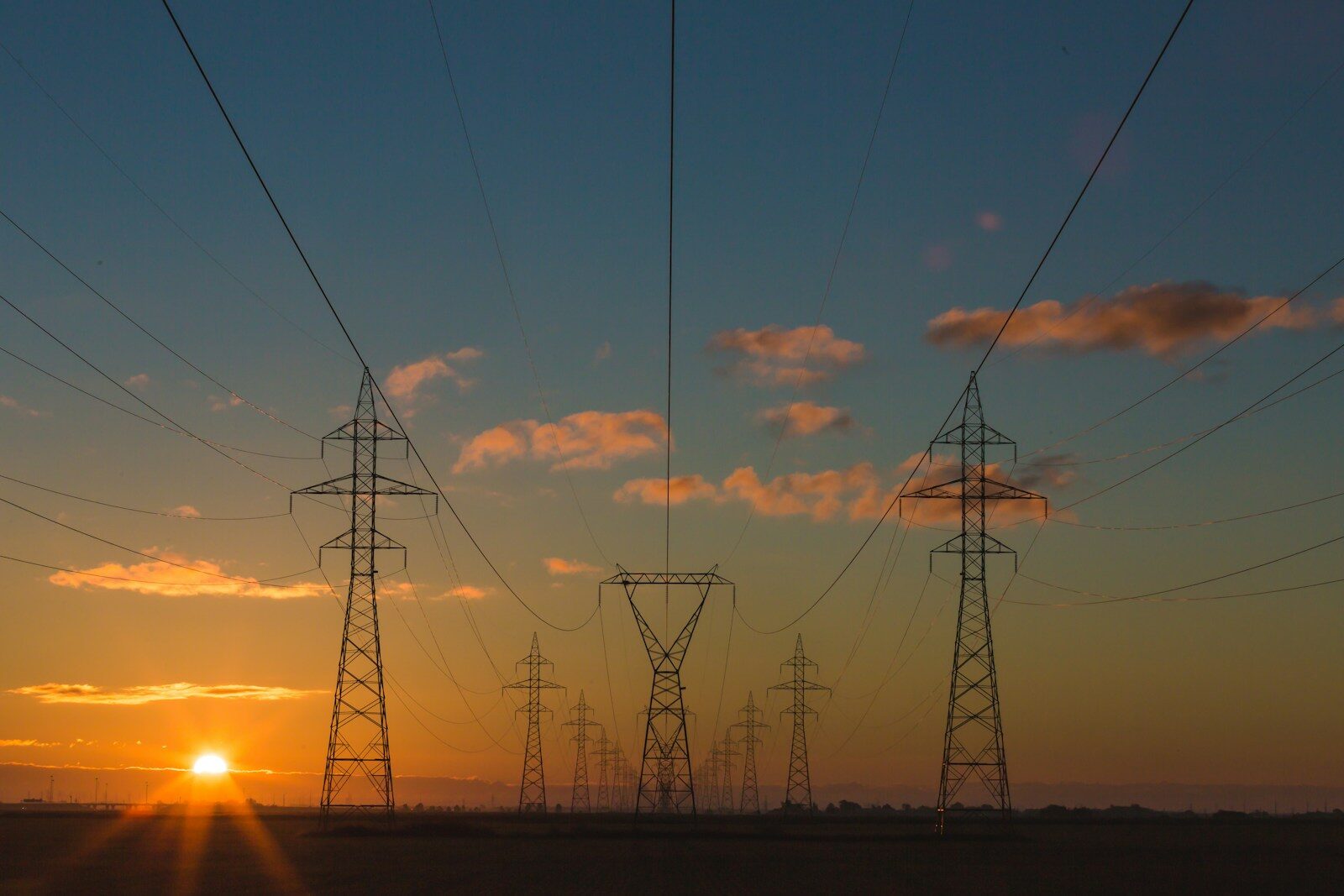
Artificial intelligence may look like software on a screen.
But underneath the chatbots, image generators, and futuristic demos lies something brutally physical:
electricity.
Massive amounts of it.
And now, one of the largest corporate mergers in American history is revealing a truth the tech world can no longer hide:
The AI revolution is no longer just a battle between software companies.
It is becoming a battle over power grids, energy infrastructure, data centers, and industrial-scale electricity itself.
At the center of this transformation sits “Project Astra” — the proposed $420 billion merger between energy giants NextEra Energy and Dominion Energy, a deal designed to fuel the explosive rise of artificial intelligence across the United States.
This is not merely a utility merger.
It may become the backbone of America’s entire AI economy.
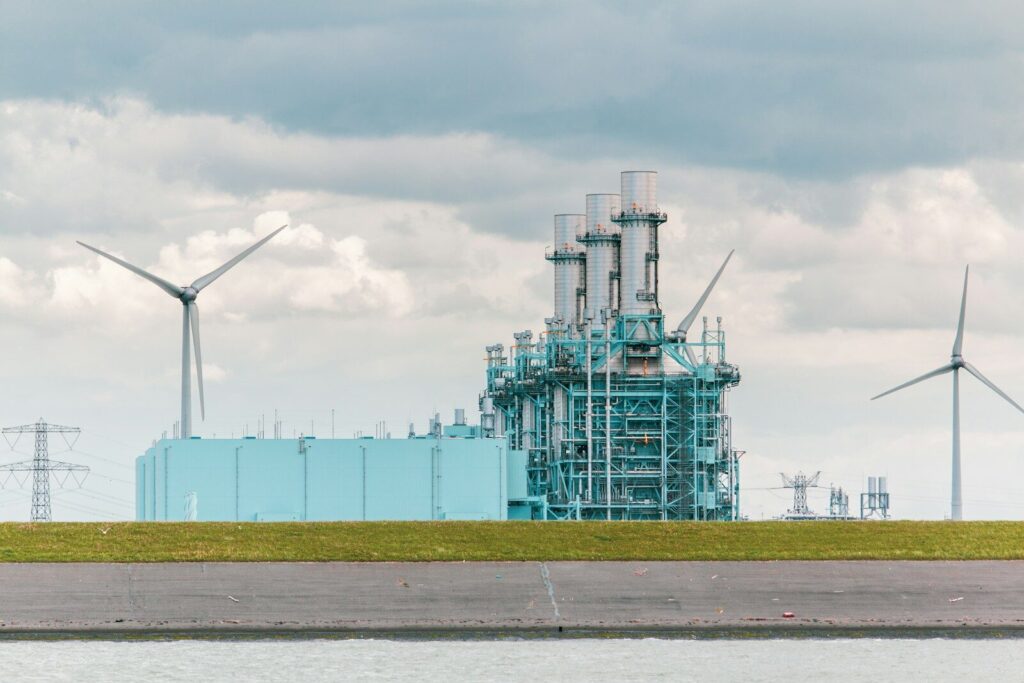
⚡ Why AI Is Triggering an Electricity Arms Race
For years, people imagined AI as a cloud-based digital technology.
But AI runs on physical infrastructure:
- data centers
- advanced chips
- cooling systems
- fiber networks
- electrical substations
- transmission grids
Modern AI models consume staggering computational power.
Training frontier systems now requires:
- tens of thousands of GPUs
- multi-gigawatt infrastructure
- constant cooling capacity
- uninterrupted electricity supply
And every new AI breakthrough increases demand further.
The result?
Energy companies are suddenly becoming strategic AI players.
🏢 What Is Project Astra?
Project Astra is the codename for the proposed merger between:
- NextEra Energy
- Dominion Energy
The deal would create one of the largest utility companies in American history and hand the combined company enormous influence over electricity infrastructure powering the eastern United States.
The merger is deeply connected to Northern Virginia’s “Data Center Alley,” where hundreds of data centers already process huge portions of global internet traffic.
That region has quietly become one of the most strategically important locations in the AI economy.
🌐 Northern Virginia Is Becoming the Capital of the AI Internet
Most people have never heard of Ashburn, Virginia.
But the town may be one of the most important places on Earth.
Often called:
“Data Center Alley”
the region hosts enormous concentrations of:
- cloud infrastructure
- AI computing clusters
- internet exchange systems
- hyperscale server farms
According to reports, the area already handles roughly two-thirds of global internet traffic.
And AI demand is accelerating construction dramatically.
Every major AI company now requires:
- larger compute clusters
- denser infrastructure
- more electricity access
That means power providers are no longer secondary players.
They are becoming AI kingmakers.
🤖 The AI Boom Is Quietly Becoming an Infrastructure Boom
For years, Silicon Valley dominated the AI narrative.
But increasingly, AI growth depends on:
- utilities
- construction firms
- semiconductor supply chains
- energy producers
- transmission operators
This changes the entire economics of AI competition.
The winners may not simply be:
- OpenAI
- Anthropic
- Meta
but also:
- utility giants
- chip manufacturers
- infrastructure financiers
- grid operators
The AI economy is evolving into an industrial system.
Not just a software market.
💰 Why a Utility Merger Suddenly Costs $420 Billion
The scale of Project Astra shocked many observers.
But the number reflects something larger:
investors believe AI demand will permanently reshape electricity consumption.
The combined companies reportedly expect:
- enormous long-term data center demand
- sustained AI infrastructure expansion
- multi-decade electricity growth tied to AI systems
The merger’s projected pipeline reportedly includes 130 gigawatts of prospective AI-related demand.
That amount of electricity is almost difficult to comprehend.
AI is no longer a niche industry.
It is becoming national infrastructure.
🔥 America’s AI Race Is Becoming Geopolitical
The merger also reflects growing anxiety inside Washington.
The United States increasingly sees AI dominance as:
- an economic priority
- a military priority
- a geopolitical priority
- a national security priority
That means electricity infrastructure suddenly becomes strategically important.
Because whoever controls compute infrastructure may ultimately control:
- AI innovation
- defense systems
- scientific research
- industrial productivity
- financial modeling
- autonomous systems
In the AI era:
power grids become strategic assets.
Literally.
⚠️ The Public Is Starting to Revolt Against AI Infrastructure
There’s a growing backlash nobody in Silicon Valley likes discussing.
Residents in Virginia and other regions increasingly oppose:
- sprawling data center construction
- rising electricity bills
- noise pollution
- water consumption
- suburban industrialization
Many citizens fear ordinary households may effectively subsidize the AI boom while tech giants collect the profits.
This creates a dangerous political question:
who actually benefits from artificial intelligence?
And who pays the cost?
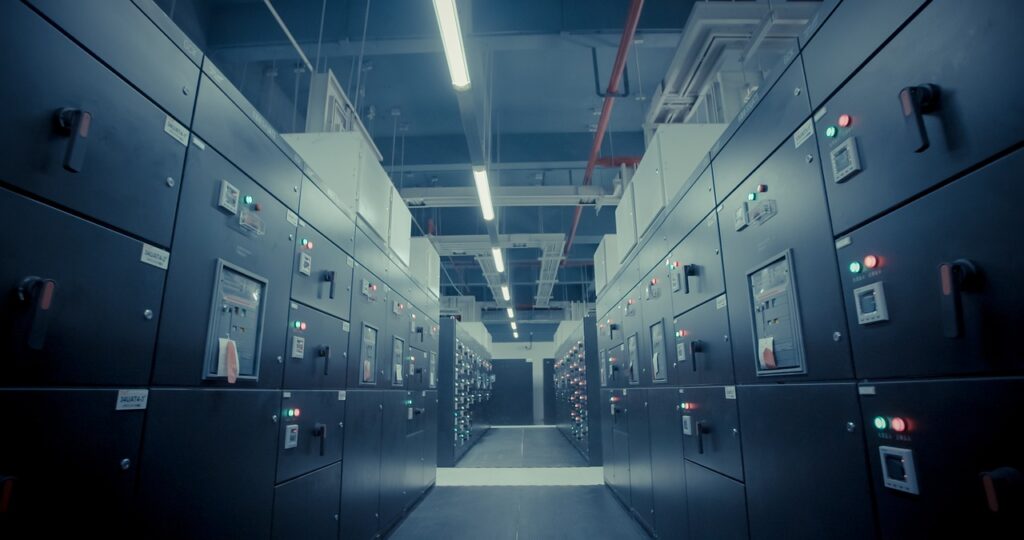
🌱 AI Is Complicating America’s Climate Goals
One major contradiction sits at the center of the AI economy:
AI companies publicly promote sustainability…
while simultaneously driving explosive energy demand.
The NextEra-Dominion merger also reflects changing energy realities:
- renewable energy expansion remains important
- but AI requires stable baseload power
- grid reliability becomes critical
- power demand is surging faster than many forecasts expected
This may force difficult tradeoffs between:
- climate policy
- economic growth
- AI expansion
- electricity affordability
The politics could become brutal.
🧠 AI Companies Are Quietly Becoming Utility-Dependent
One major shift often gets overlooked:
AI labs increasingly depend on infrastructure partnerships almost as much as technical research.
Recent examples across the industry include:
- massive compute partnerships
- multi-gigawatt cloud agreements
- dedicated AI power projects
- vertically integrated AI infrastructure deals
This signals a new reality:
future AI dominance may depend less on algorithms alone…
…and more on who controls compute and electricity at industrial scale.
🏗️ The AI Economy Is Starting to Resemble Heavy Industry
Historically, tech companies scaled differently from industrial companies.
Now AI changes that equation.
Frontier AI requires:
- huge capital expenditures
- specialized buildings
- energy-intensive operations
- physical supply chains
- cooling infrastructure
- semiconductor logistics
In many ways, AI increasingly resembles:
railroads, oil, steel, or telecommunications infrastructure.
That means future AI competition may look less like Silicon Valley startups…
…and more like industrial empires.
📉 Why Smaller AI Companies May Struggle to Survive
The infrastructure costs are becoming terrifyingly large.
Frontier AI increasingly demands:
- billions in chips
- dedicated compute clusters
- massive electricity contracts
- hyperscale data centers
This creates a dangerous market dynamic:
only the largest firms can afford the infrastructure race.
Smaller AI startups may become:
- acquisition targets
- infrastructure renters
- niche providers
- dependent on larger ecosystems
The AI economy could consolidate rapidly around a handful of mega-platforms.
🔋 Electricity May Become the Most Valuable AI Resource
For years, data was considered the key resource of AI.
Now electricity may rival it.
Without reliable energy:
- AI models cannot train
- inference systems cannot scale
- data centers cannot operate
- autonomous systems cannot function
The next AI bottleneck may not be software innovation.
It may simply be:
access to enough power.
🌍 The AI Revolution Is Reshaping Entire Cities
Communities hosting AI infrastructure may transform dramatically.
Data center regions increasingly influence:
- real estate prices
- labor markets
- tax revenue
- environmental stress
- housing demand
- local politics
Some regions may become:
AI industrial corridors.
Others may resist expansion entirely.
The geography of AI is becoming economically important.
🔮 What Happens Next?
Several major trends are becoming increasingly likely:
1. Utility companies become AI power brokers
Energy firms may gain unprecedented influence over technology markets.
2. AI infrastructure spending explodes
Data center construction and grid upgrades may accelerate globally.
3. Governments intervene more aggressively
Electricity access, grid policy, and AI infrastructure may become national security issues.
4. Public backlash intensifies
Communities may increasingly resist AI-driven industrial expansion.
❓ Frequently Asked Questions (FAQ)
What is Project Astra?
Project Astra is the codename for the proposed $420 billion merger between NextEra Energy and Dominion Energy aimed at powering America’s growing AI infrastructure demands.
Why does AI require so much electricity?
AI systems rely on massive data centers, advanced chips, and large-scale computational workloads that consume enormous amounts of power.
What is “Data Center Alley”?
A major concentration of data centers in Northern Virginia that supports a significant portion of global internet and AI traffic.
Why is the merger important for AI?
The combined company would control critical electricity infrastructure supporting many of America’s AI data centers and cloud systems.
Could AI increase electricity prices?
Possibly. Some residents and policymakers worry that rising AI energy demand could contribute to higher utility costs.
Why are communities opposing data centers?
Concerns include:
- noise pollution
- environmental impact
- rising power demand
- suburban industrialization
- water usage
Is AI becoming an infrastructure industry?
Yes. AI increasingly depends on physical infrastructure including:
- power grids
- semiconductors
- cooling systems
- hyperscale facilities
Could electricity become the biggest AI bottleneck?
Very possibly. Many analysts now believe power access may become one of the defining constraints of future AI growth.
🧠 Final Thought
For decades, the internet felt weightless.
Invisible.
Almost magical.
But artificial intelligence is forcing the world to confront the physical reality underneath digital civilization.
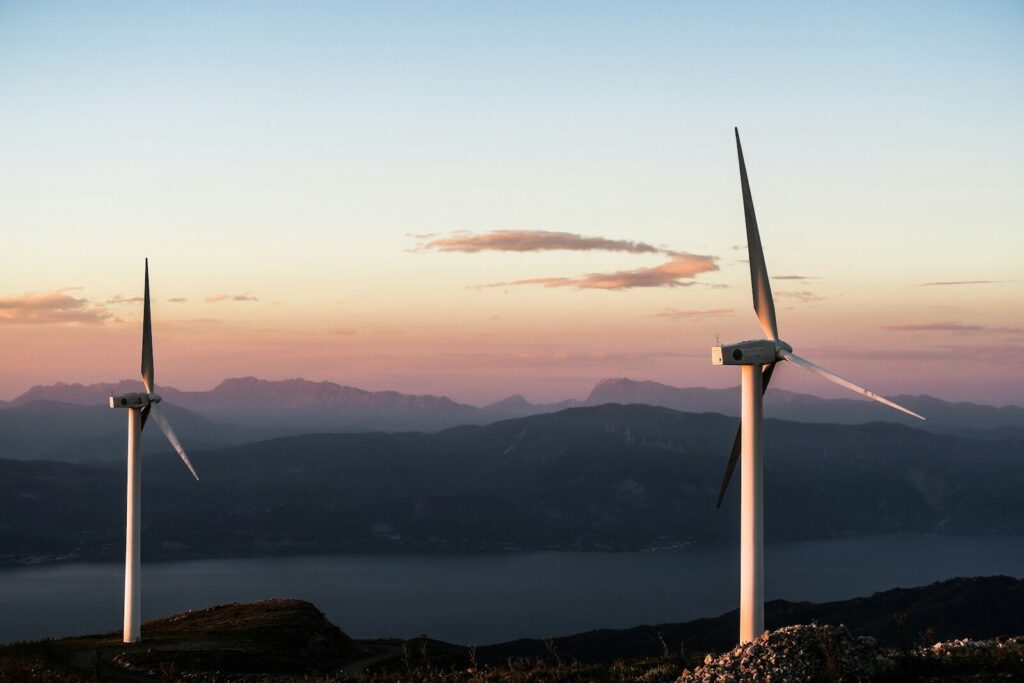
AI is not floating in the cloud.
It is rooted in:
- steel
- concrete
- transformers
- substations
- power plants
- transmission lines
- industrial infrastructure
Project Astra reveals something profound:
The future of artificial intelligence may not ultimately be decided by who builds the smartest chatbot.
But by who can keep the lights on long enough to power the machines.
Sources Financial Times

