
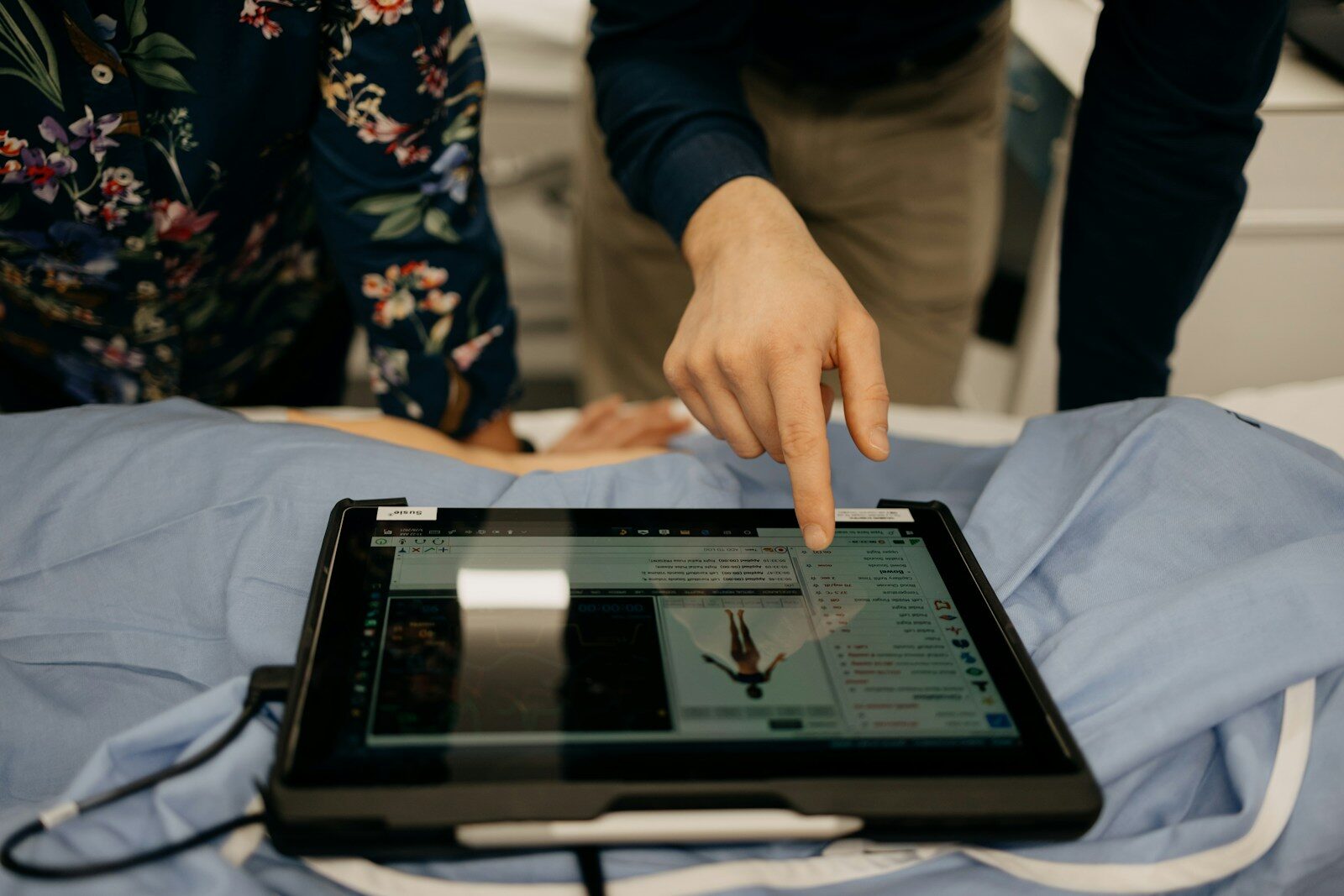
Heart disease remains the leading cause of death worldwide, claiming millions of lives every year. One of the biggest challenges facing cardiologists is that many forms of heart damage develop silently for years before symptoms become noticeable.
Patients often feel healthy while dangerous structural changes are already occurring inside the heart.
Traditionally, detecting these problems has required expensive imaging tests, specialist consultations, and hospital-based equipment. But a new generation of artificial intelligence (AI) systems may be changing that reality.
Researchers are increasingly discovering that AI can identify subtle signs of heart damage, heart failure, valve disease, and other cardiovascular conditions long before conventional diagnostic methods would typically detect them. Some of these breakthroughs are being powered by everyday devices such as smartwatches, while others analyze routine medical scans and electrocardiograms (ECGs) to uncover patterns invisible to human clinicians.
The implications could be profound: earlier diagnosis, faster treatment, lower healthcare costs, and potentially millions of lives saved.
Why Heart Damage Often Goes Undetected
Many cardiovascular diseases progress gradually.
Conditions such as:
- Heart failure
- Cardiomyopathy
- Valve disease
- Coronary artery disease
- Structural heart abnormalities
can develop for years without causing obvious symptoms.
By the time symptoms appear, patients may already have experienced significant damage to the heart muscle.
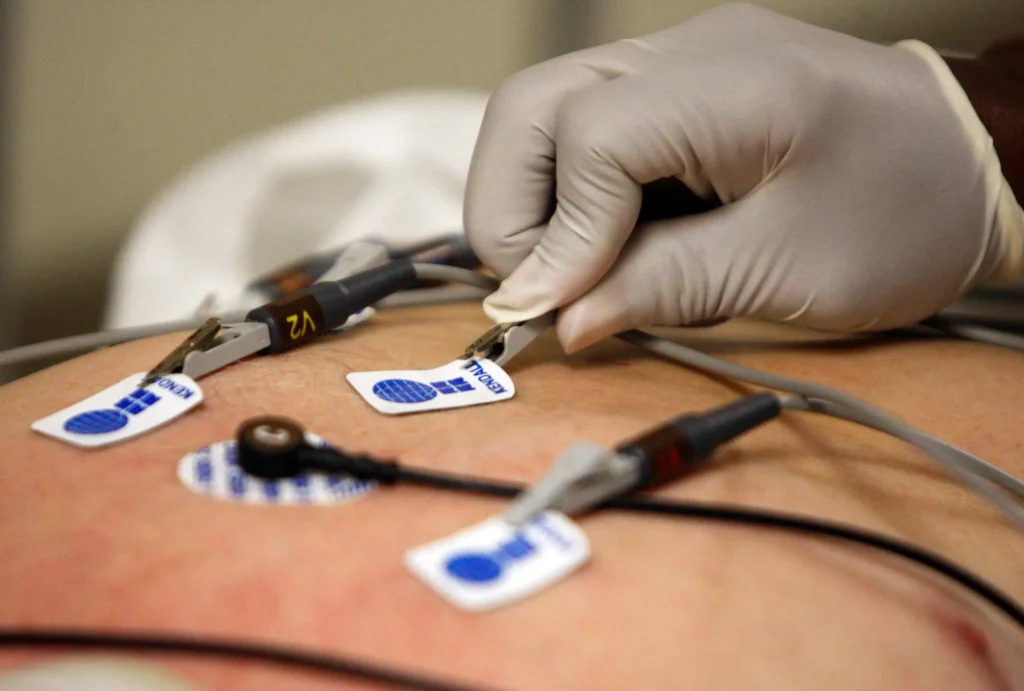
Current diagnostic tools often rely on:
- Echocardiograms
- Cardiac CT scans
- Cardiac MRI
- Stress testing
- Blood biomarkers
- Specialist evaluations
While highly effective, these approaches can be expensive, time-consuming, and unavailable to many patients.
As a result, millions of people remain undiagnosed until disease progression becomes more advanced.
How AI Detects What Humans Cannot See
Artificial intelligence excels at recognizing complex patterns hidden within large datasets.
In cardiology, AI systems can analyze:
- ECG waveforms
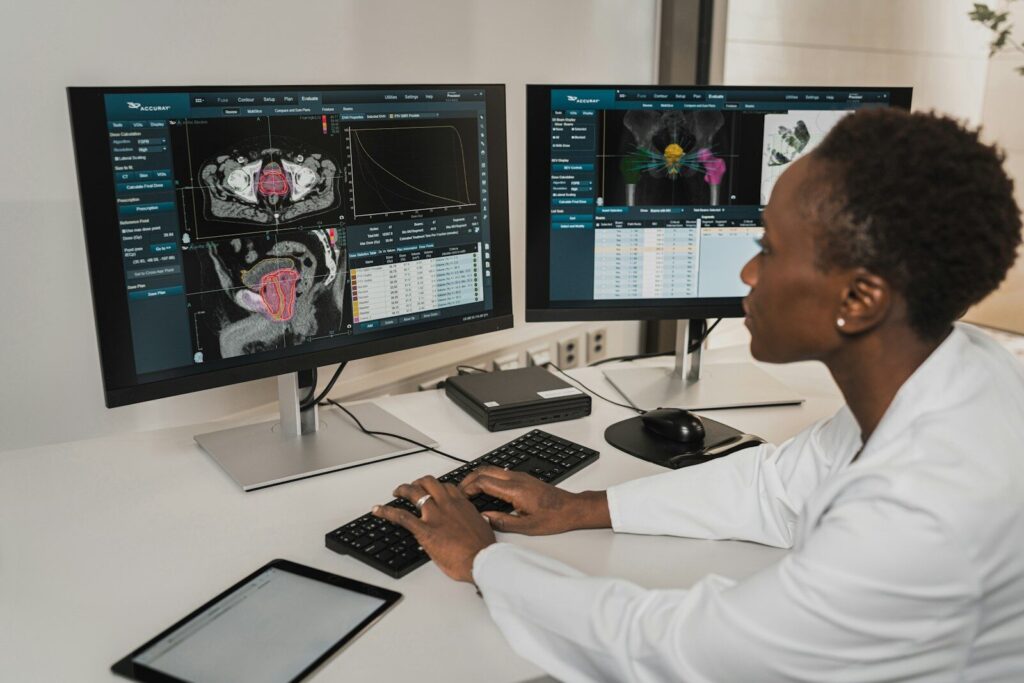
- Heart imaging scans
- Wearable device data
- Electronic health records
- Blood test results
- Physiological signals
The technology searches for tiny abnormalities that may be impossible for the human eye to identify consistently.
For example, researchers have demonstrated that AI can discover hidden signals in electrocardiograms that indicate future heart disease even when cardiologists consider the ECG normal.
This represents a major shift from traditional medicine.
Instead of waiting for disease to become visible, AI can potentially identify risk years earlier.
The Rise of AI-Powered Smartwatches
One of the most exciting developments involves wearable devices.
Modern smartwatches already monitor:
- Heart rate
- Heart rhythm
- Activity levels
- Sleep patterns
- Oxygen saturation
Researchers are now combining these measurements with AI algorithms to detect structural heart disease using single-lead ECG recordings collected directly from consumer devices.
In a recent study involving Apple Watch ECG data, researchers developed an AI system capable of identifying:
- Weakened heart pumping function
- Valve abnormalities
- Thickened heart muscle
- Other structural heart conditions
The model successfully detected disease in many patients who otherwise might not have been identified until much later.
This could eventually transform smartwatches from wellness devices into powerful screening tools.
Predicting Heart Failure Years in Advance
Perhaps even more remarkable is AI’s growing ability to forecast future disease.
Researchers at the University of Oxford recently developed an AI system that analyzes cardiac CT scans and predicts the risk of heart failure up to five years before symptoms appear. The model examines subtle inflammatory changes in fat tissue surrounding the heart—patterns invisible to human observers.
The study found:
- 86% prediction accuracy
- Identification of high-risk patients years before diagnosis
- Potential for earlier interventions and preventive care
Patients classified as highest risk were approximately twenty times more likely to develop heart failure than those in lower-risk categories.
This kind of predictive medicine could fundamentally reshape cardiovascular care.
AI Is Expanding Beyond Diagnosis
AI is not limited to detecting disease.
Researchers are increasingly using it to:
Predict Heart Attacks
Machine-learning models can analyze imaging data, biomarkers, and clinical records to estimate future heart attack risk. Some systems use “digital twin” technology—virtual models of a patient’s heart—to simulate future disease progression.
Personalize Treatment
AI can help identify which patients may benefit most from specific medications, procedures, or monitoring strategies.
Monitor Recovery
Wearables and remote-monitoring systems allow physicians to track patients continuously outside hospital settings.
Improve Workflow Efficiency
AI systems increasingly assist cardiologists by prioritizing high-risk cases and reducing administrative burdens.
Why Early Detection Matters
Cardiologists frequently emphasize that timing is everything.
Heart damage is often easier to prevent than reverse.
Earlier detection can enable:
- Lifestyle interventions
- Medication adjustments
- Risk-factor management
- Improved patient monitoring
- Earlier specialist referrals
Many cardiovascular conditions respond significantly better when treated before major symptoms emerge.
AI’s greatest contribution may not be replacing doctors—it may be helping patients enter treatment pathways much sooner.
The Limitations of AI in Cardiology
Despite impressive progress, AI is not infallible.
Several challenges remain.
False Positives
AI may incorrectly identify disease in healthy individuals.
This can cause:
- Anxiety
- Additional testing
- Increased healthcare costs
False Negatives
Some patients with genuine disease may still be missed.
Data Bias
AI systems perform best when trained on diverse patient populations.
Insufficient diversity can reduce accuracy across certain demographic groups.
Clinical Validation
Many promising studies still require larger real-world trials before widespread adoption.
Researchers consistently emphasize that AI should support clinical decision-making rather than replace physician judgment.
Regulatory and Ethical Challenges
Healthcare AI faces stricter scrutiny than most technologies.
Regulators must determine:
- How algorithms are validated
- Who is responsible for errors
- How patient privacy is protected
- Whether systems perform equally across populations
Medical AI tools typically require extensive clinical evaluation before widespread implementation.
As models become more sophisticated, regulatory frameworks will need to evolve accordingly.
Could AI Reduce Healthcare Inequality?
One of AI’s most promising opportunities lies in expanding access.
Many regions face shortages of:
- Cardiologists
- Diagnostic equipment
- Specialized imaging services
AI-powered screening tools could help identify high-risk patients in underserved communities where access to advanced healthcare is limited.
If deployed responsibly, AI may help narrow rather than widen healthcare disparities.
The Future of Preventive Cardiology
The long-term vision is increasingly clear.
Future cardiovascular care may involve:
- Continuous monitoring through wearable devices
- AI-driven risk prediction
- Personalized treatment recommendations
- Automated screening during routine healthcare visits
- Earlier intervention before symptoms appear
Instead of reacting to heart disease after damage occurs, healthcare systems may shift toward preventing disease before it becomes clinically apparent.
This represents one of the most important transformations in modern medicine.
Conclusion
Artificial intelligence is rapidly becoming one of the most powerful tools in cardiovascular medicine.
By uncovering hidden signs of heart damage, predicting future disease risk, and analyzing data at a scale beyond human capability, AI has the potential to transform how heart disease is diagnosed and managed.
The technology is still evolving, and important challenges remain regarding accuracy, regulation, privacy, and equitable access.
Yet the direction is unmistakable.
The future of cardiology may involve a partnership between physicians, advanced algorithms, and wearable devices working together to detect disease earlier than ever before.
For millions of people at risk of cardiovascular disease, that future could mean longer, healthier lives.
Frequently Asked Questions (FAQ)
1. Can AI really detect heart damage before symptoms appear?
Yes. Recent studies have shown that AI can identify subtle patterns in ECGs, cardiac scans, and wearable-device data that may indicate future heart disease years before symptoms become obvious.
2. How do smartwatches help detect heart problems?
Modern smartwatches can record heart rhythm and ECG data. AI algorithms analyze these measurements to identify signs of structural heart disease, arrhythmias, and other cardiovascular abnormalities.
3. Will AI replace cardiologists?
No. AI is designed to assist healthcare professionals by improving screening, diagnosis, and risk assessment. Human expertise remains essential for interpretation, treatment planning, and patient care.
4. How accurate are AI heart-disease detection systems?
Accuracy varies by system and application. Some recent studies have reported accuracy rates exceeding 85% for specific cardiovascular conditions, though performance differs across populations and clinical settings.
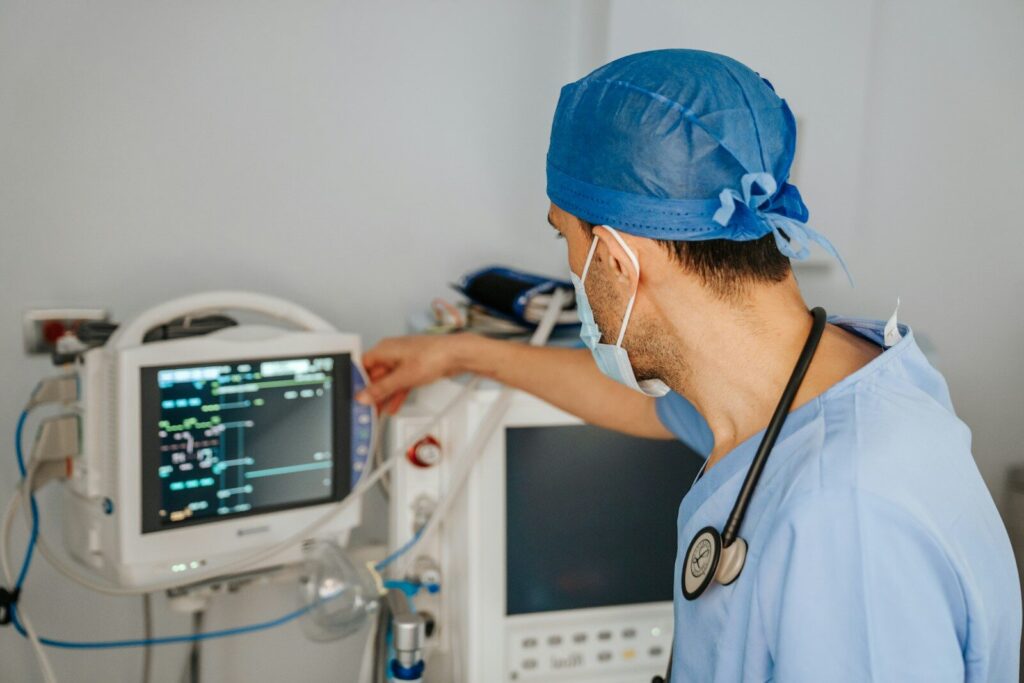
5. What is the biggest benefit of AI in heart healthcare?
The greatest potential benefit is earlier detection. Identifying heart disease before symptoms develop allows earlier intervention, which can improve outcomes, reduce complications, and potentially save lives.
Sources The New York Times

