
Artificial intelligence is entering a new phase. For years, AI has largely existed in software—powering chatbots, recommendation engines, image generators, and virtual assistants. Now, the technology is increasingly moving into the physical world through robots capable of sensing, learning, and interacting with their surroundings.
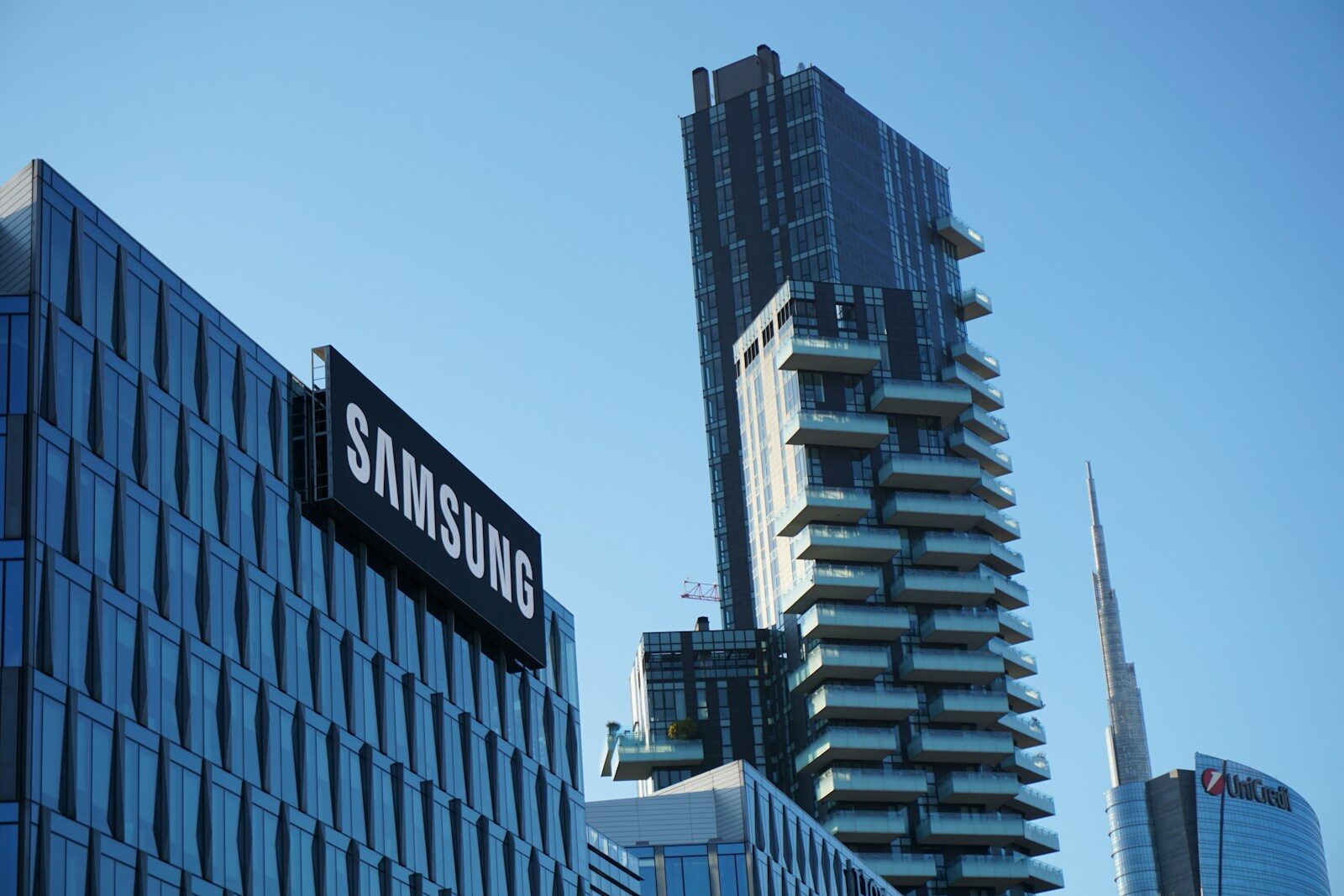
Samsung Electronics’ decision to strengthen its focus on robotics reflects a broader industry trend toward physical AI—the integration of advanced AI software with machines that can perform real-world tasks. Technology companies are investing heavily in intelligent robots that could transform manufacturing, healthcare, logistics, retail, homes, and many other industries.
The shift represents one of the most significant developments in artificial intelligence since the rise of generative AI, potentially creating an entirely new generation of smart devices that combine digital intelligence with physical action.

What Is Physical AI?
Physical AI refers to artificial intelligence systems that control machines capable of interacting with the real world.
Unlike traditional AI software, physical AI combines:
- Machine learning
- Computer vision
- Robotics
- Sensors
- Motion control
- Navigation systems
- Real-time decision-making
The goal is to enable robots to understand environments, perform tasks, and adapt to changing conditions with increasing autonomy.
Why Robotics Is Becoming a Strategic Industry
Several trends are driving renewed investment in robotics.
These include:
- Labor shortages
- Aging populations
- Manufacturing automation
- Warehouse efficiency
- Healthcare demand
- AI advancements
- Falling sensor costs
- Improved computing power
As robots become more intelligent, they can perform a wider range of practical applications.
AI Is Making Robots More Capable
Earlier generations of industrial robots generally followed pre-programmed instructions.
Modern AI enables robots to:
- Recognize objects
- Navigate unfamiliar spaces
- Learn from experience
- Avoid obstacles
- Understand spoken commands
- Identify safety hazards
- Coordinate with humans
This flexibility expands the range of tasks robots can perform.
Samsung’s Existing Strengths Support Robotics
Samsung already possesses expertise in several technologies essential for intelligent robotics.
These include:
- Semiconductors
- Consumer electronics
- Mobile processors
- Image sensors
- Memory chips
- Display technology
- Smart home devices
- Battery technology
Combining these technologies with AI creates opportunities for integrated robotic systems.
Manufacturing Could Benefit Significantly
Factories increasingly adopt AI-powered robots for:
- Assembly
- Inspection
- Material handling
- Quality control
- Predictive maintenance
- Inventory movement
Intelligent automation improves productivity while reducing repetitive manual work.
Home Robots Are Becoming Smarter
Future household robots may assist with:
- Cleaning
- Security monitoring
- Elderly care
- Package delivery
- Home maintenance
- Smart appliance control
- Personal assistance
Advances in AI make these systems increasingly practical.
Healthcare Robotics Is Expanding
Medical organizations are exploring robotics for:
- Patient assistance
- Rehabilitation
- Hospital logistics
- Surgical support
- Medication delivery
- Remote monitoring
AI helps improve precision while supporting healthcare professionals.
Logistics Is Being Transformed
Warehouses increasingly deploy AI-powered robots for:
- Order fulfillment
- Inventory management
- Autonomous transportation
- Sorting
- Packaging
- Quality inspection
Automation helps companies respond to growing e-commerce demand.
Human-Robot Collaboration Is Increasing
Instead of replacing workers, many modern robots are designed to work alongside people.
Collaborative robots, often called cobots, assist with:
- Heavy lifting
- Precision assembly
- Repetitive operations
- Hazardous tasks
Humans continue performing supervision, creativity, and complex decision-making.

Sensors Are the Eyes and Ears of Physical AI
Robots rely on multiple technologies to understand their surroundings.
Common sensing systems include:
- Cameras
- LiDAR
- Radar
- Ultrasonic sensors
- Force sensors
- Temperature sensors
- GPS
- Inertial measurement units
These inputs help AI interpret complex environments.
Edge AI Improves Robot Performance
Many robots increasingly process information locally instead of relying entirely on cloud servers.
Benefits include:
- Faster response times
- Better privacy
- Lower latency
- Reduced bandwidth usage
- Greater operational reliability
Edge computing is expected to play a major role in future robotics.
Safety Remains a Top Priority
Developers continue improving robotic safety through:
- Collision detection
- Emergency stop systems
- AI monitoring
- Secure communications
- Redundant controls
- Cybersecurity protections
Reliable safety systems are essential for widespread adoption.
Robotics Requires Strong AI Infrastructure
Advanced robots depend on:
- High-performance AI chips
- Fast processors
- Cloud services
- Wireless connectivity
- High-capacity batteries
- Efficient cooling
Progress in semiconductor technology directly supports robotics innovation.
Physical AI Creates New Business Opportunities
Growing demand for robotics supports industries including:
- Semiconductor manufacturing
- Sensors
- Batteries
- Software
- Telecommunications
- Cloud computing
- Industrial automation
- Precision engineering
Physical AI is becoming an important economic growth driver.
Workforce Skills Are Evolving
As robotics adoption increases, demand is growing for professionals with expertise in:
- AI engineering
- Robotics
- Embedded systems
- Machine vision
- Automation
- Cybersecurity
- Mechanical engineering
Continuous education and reskilling will be essential.
The Future of Intelligent Robots
Over the next decade, AI-powered robots are expected to become increasingly common in:
- Homes
- Hospitals
- Factories
- Warehouses
- Agriculture
- Construction
- Transportation
- Retail
Future systems will likely become more autonomous, adaptable, and capable of working safely alongside humans.
The Bigger Picture
Samsung’s expanded focus on robotics highlights a broader shift in the artificial intelligence industry from software-based intelligence to machines capable of interacting directly with the physical world.
Physical AI combines advances in machine learning, robotics, semiconductors, computer vision, and edge computing to create intelligent systems that can perform meaningful real-world tasks. While generative AI has transformed digital workflows, physical AI has the potential to reshape industries that depend on movement, manufacturing, logistics, healthcare, and personal assistance.
Success in this rapidly growing sector will require more than powerful AI models. Companies must integrate hardware, software, sensors, batteries, connectivity, and safety systems into reliable products that operate effectively in complex environments.
As technology continues to mature, intelligent robots are expected to become as familiar in workplaces and homes as smartphones are today. The organizations that successfully combine AI expertise with advanced engineering and responsible deployment practices will help define the next chapter of the global artificial intelligence revolution.
Frequently Asked Questions (FAQs)
1. What is physical AI?
Physical AI refers to artificial intelligence integrated into robots and machines that can perceive, understand, and interact with the physical environment using sensors, computer vision, and autonomous decision-making.
2. Why are technology companies investing in robotics?
Companies see robotics as a major growth opportunity driven by advances in AI, labor shortages, manufacturing automation, healthcare needs, logistics, and smart home technologies.
3. How is AI improving modern robots?
AI enables robots to recognize objects, navigate environments, avoid obstacles, understand speech, learn from experience, and collaborate more effectively with humans.
4. Will robots replace human workers?
In many industries, robots are expected to complement rather than replace people by handling repetitive, dangerous, or physically demanding tasks while humans focus on creativity, supervision, problem-solving, and decision-making.

5. Which industries will benefit most from physical AI?
Manufacturing, healthcare, logistics, agriculture, construction, retail, transportation, smart homes, and industrial automation are expected to be among the largest beneficiaries of intelligent robotics over the coming decade.
Sources CNBC

