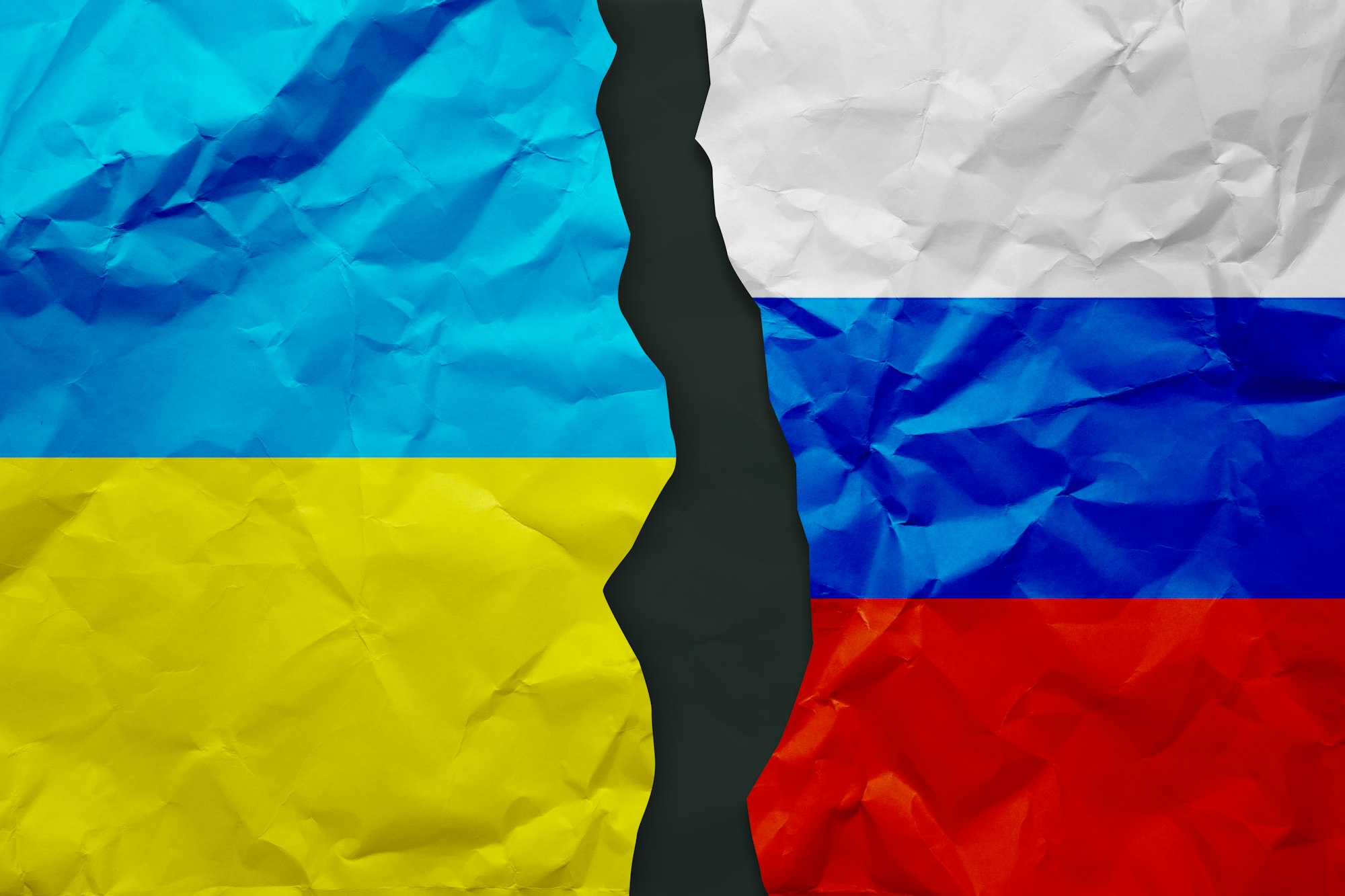
The Situation on the Ground in Ukraine
The fight in Ukraine has hit a critical point, making it seem less likely that Ukraine can win it all. Even though Ukraine’s military has fought hard, Russia has managed to take back places like Avdiivka. This shows how tough it is for Ukraine to push Russia back. The U.S. changing its strategy to just help Ukraine keep up the fight shows that everyone knows this conflict isn’t ending anytime soon.

Sticking to Defense: What It Means
Choosing to defend rather than attack suggests that Ukraine might not get back all its land under Russian control by fighting. This means thinking over what winning actually means for Ukraine. It might mean finding a way to keep the country safe and democratic without getting every piece of land back.
Learning from Cyprus
Looking at Cyprus, where a similar situation has lasted for years, Ukraine might have to put off solving the land issue and focus on other ways to make peace for now. This means accepting that a full peace deal might not happen right away.
Rethinking Winning Through Fighting
Believing that Ukraine could take back major areas like Crimea through battle is being questioned. The huge challenges of such military moves show there’s a limit to what fighting can achieve. This part talks about why some military plans just don’t work out against Russia’s strong and well-placed army.
How Important International Help Is
The support Ukraine gets, especially from the U.S., is crucial for keeping up the fight. This section looks at how this help affects the fight and the balance of power in the area.
Being Realistic
This part argues for being practical about what Ukraine and its international friends can do. It’s about focusing on goals that can really be reached, like making sure there’s peace and stability in the long run, rather than betting everything on uncertain wins in battle.
Finding a Peaceful Way Out: The Hard Parts and Chances
The conversation turns to finding a peaceful end, even if it means making tough choices. It talks about how to start talks with Russia and the complex process of making peace, stressing the need for an agreement that keeps Ukraine independent but also deals with the current reality.
Get the lowdown on the conflict in Ukraine, including the military situation, why a defensive approach is being taken, and how peace might be made. Learn about the importance of help from other countries and the tough parts of peace talks in this straightforward analysis.

FAQ: Understanding the Ukraine Conflict
- Why can’t Ukraine simply win back all its territories from Russia?
- The military challenges and strategic advantages held by Russia make it incredibly difficult for Ukraine to reclaim all occupied territories through force alone. The current situation suggests a need for realistic expectations about what can be achieved on the battlefield.
- What does a defensive strategy mean for Ukraine’s goals?
- Adopting a defensive strategy indicates that Ukraine is focusing on preserving its sovereignty and democratic values rather than reclaiming all territories under Russian control by military means. This approach may involve seeking a negotiated resolution that acknowledges the complex realities on the ground.
- How does the Cyprus situation relate to Ukraine?
- The division of Cyprus presents a case where territorial disputes have been set aside, allowing for functional governance and peace efforts to proceed despite unresolved sovereignty issues. This parallel suggests Ukraine might also have to consider negotiations that temporarily sideline territorial claims to achieve a broader peace.
- Why is international support crucial for Ukraine?
- International aid, especially from countries like the U.S., is vital for Ukraine to sustain its defense efforts against Russia. This support not only provides necessary military aid but also influences the regional balance of power and the international diplomatic landscape in favor of Ukraine.
- What are the challenges in negotiating peace with Russia?
- Negotiating peace involves complex diplomatic engagement that must navigate the realities of Russian occupation, the sovereignty and territorial integrity of Ukraine, and the interests of the international community. Achieving a settlement that respects Ukraine’s independence while addressing the conflict’s root causes requires careful, sometimes painful, concessions and a commitment to long-term stability.
Sources TIME