
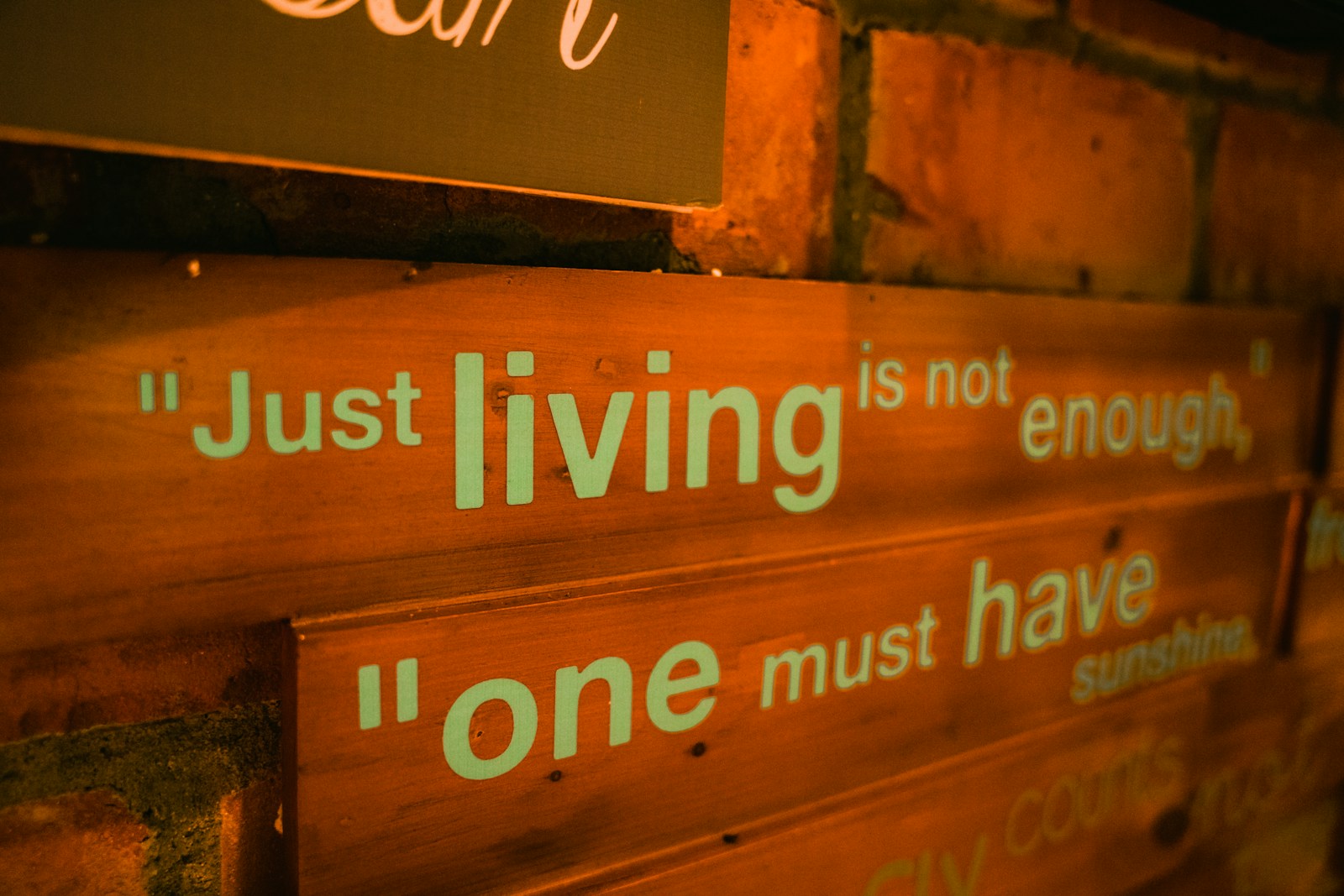
For centuries, philosophers, religions, and self-help movements have tried to answer one enduring question: What does it mean to live a good life?
Happiness? Success? Purpose? Balance?
In 2026, a surprising new answer is gaining attention — not from ancient philosophy or wellness culture, but from fields shaped by modern pressures: technology, behavioral science, and systems thinking.
Rather than chasing constant happiness or productivity, this emerging approach focuses on something more grounded: designing lives that work well under real-world constraints.

Why Traditional Ideas of the “Good Life” Are Breaking Down
Classic visions of a good life often assume:
- Stable careers
- Clear life stages
- Predictable communities
- Manageable information flow
Modern life offers none of these.
Today’s reality includes:
- Continuous digital distraction
- Economic uncertainty
- Algorithmic influence
- Blurred work-life boundaries
- Constant comparison
Trying to live by old ideals in a radically different environment leaves many people feeling like they’re failing — even when they’re not.
The Unlikely Source: Systems Thinking and Tech Culture
The new approach borrows ideas from places not usually associated with well-being:
- Software engineering
- Product design
- Behavioral economics
- Cognitive science
These fields focus less on ideals and more on how systems behave under pressure.
Applied to life, the question shifts from:
“How do I maximize happiness?”
to
“How do I design my life so it doesn’t break?”
From Optimization to Sustainability
One core insight: constant optimization is exhausting.
Much of modern self-improvement encourages people to:
- Do more
- Be more productive
- Improve every habit
- Eliminate downtime
But systems optimized for maximum output often collapse.
The alternative is sustainable living:
- Enough productivity, not maximum productivity
- Enough ambition, not endless ambition
- Enough connection, not constant availability
This mindset prioritizes resilience over perfection.
Redefining Success as Stability and Agency
In this new framework, a “good life” looks less glamorous — but more realistic.
Key markers include:
- Predictable routines
- Emotional regulation
- Financial and mental buffers
- The ability to say no
- Control over attention and time
Success becomes less about achievement and more about agency — the ability to choose how you respond to life rather than constantly reacting.

Technology as Both the Problem and the Teacher
Technology has contributed heavily to modern stress — but it also reveals useful lessons.
Engineers know that:
- Systems fail when overloaded
- Feedback loops matter
- Defaults shape behavior
- Small frictions can prevent big failures
Applied personally, this means:
- Designing friction against harmful habits
- Setting defaults that protect attention
- Limiting exposure rather than relying on willpower
A good life becomes something you engineer gently, not force through discipline alone.
Why This Resonates Now
This approach is gaining traction because:
- Burnout is widespread
- Productivity culture feels hollow
- Mental health struggles are normalized
- People want meaning without constant strain
It validates a quiet truth many feel but rarely hear:
You don’t need to be exceptional to live well — you need to be supported by a life that fits.
What This Looks Like in Practice
A systems-based good life might include:
- Fewer goals, but clearer ones
- Routines that reduce decision fatigue
- Technology configured to limit distraction
- Social connections that are dependable, not performative
- Acceptance that some days are simply “good enough”
This isn’t resignation.
It’s intentional design.
How This Differs From Self-Help Culture
Traditional self-help often emphasizes:
- Motivation
- Mindset
- Personal responsibility
The newer approach emphasizes:
- Environment
- Structure
- Constraints
- Compassion for human limits
It asks not “Why aren’t you better?”
but “What’s making this unnecessarily hard?”
Frequently Asked Questions
Is this approach anti-ambition?
No. It reframes ambition to be sustainable rather than consuming.
Does this mean lowering standards?
It means choosing standards that support long-term well-being, not constant strain.
What role does happiness play here?
Happiness is seen as a byproduct, not a goal — emerging naturally from stability and agency.
Is this just another self-help trend?
It draws from long-standing principles in systems design and psychology, not quick-fix advice.
Can technology really help people live better lives?
Yes — when used intentionally. Defaults and boundaries matter more than tools themselves.
Who benefits most from this mindset?
People experiencing burnout, decision fatigue, or pressure to constantly optimize themselves.

The Bottom Line
The emerging idea of a good life in 2026 is quieter than past visions — but more honest.
It doesn’t promise constant joy or endless success.
Instead, it offers something many people want more:
- Stability
- Agency
- Room to breathe
- A life that doesn’t feel like it’s always on the verge of breaking
The good life, it turns out, may not come from striving harder —
but from designing lives that work with human limits instead of against them.
And that insight, surprisingly, may be one of the most valuable gifts modern thinking has to offer.
Sources The Washington Post

